

Awakeness: YALDA Night - Wake Up in a House That Keeps Folding
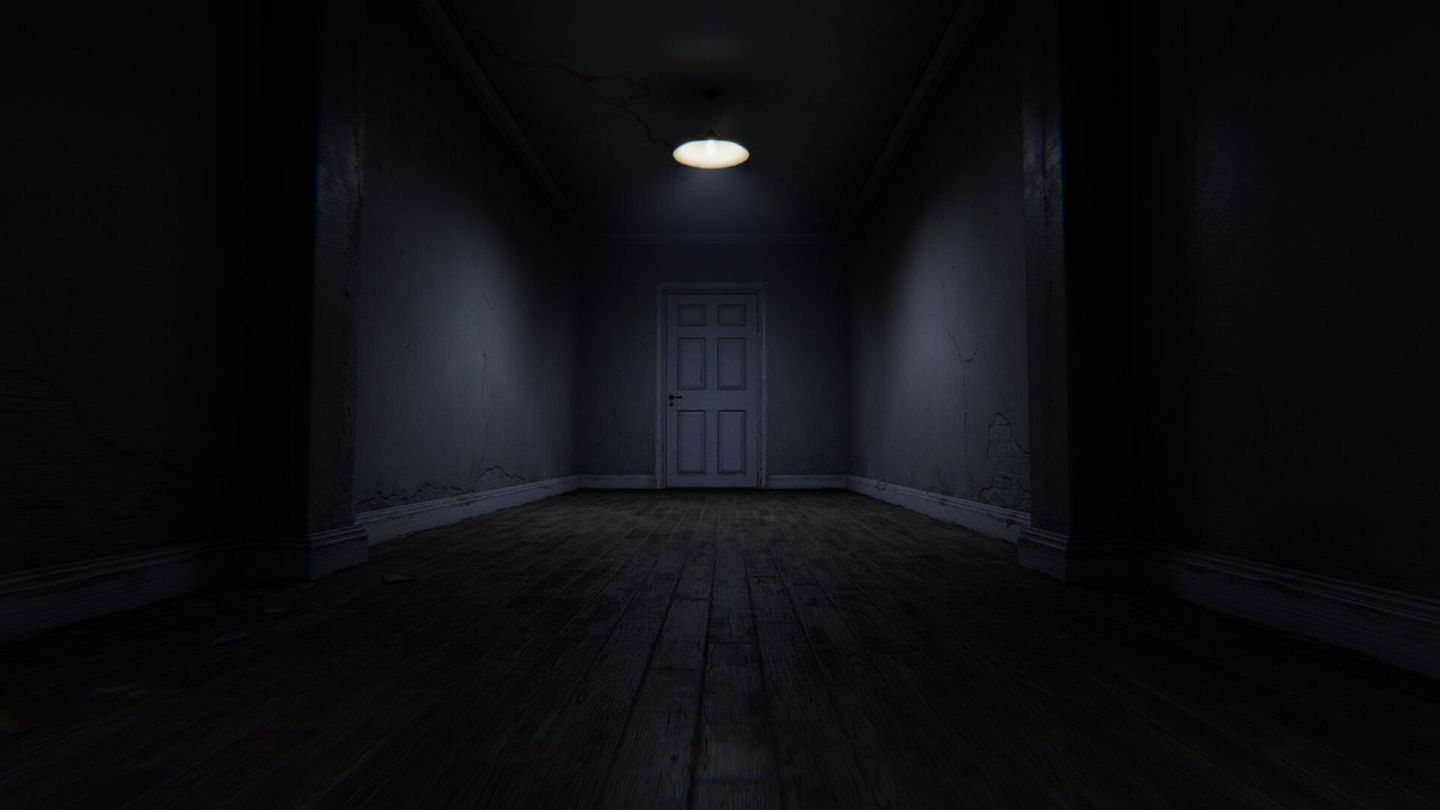
You become Yalda with no context, no help, and one goal - find a way out. Awakeness drops you into Barzakh, a higher layer of reality that looks half like a decaying house and half like a dream that has lost its temper. Familiar rooms repeat, corridors loop back on themselves, and doors open onto places that should not exist. The game trusts you to piece things together from space, sound, and subtle changes to the environment.
This is psychological horror stripped of combat. There are no enemies to shoot, no friends to lean on, and no narration spelling out the rules. Instead, the threat is built into the architecture. Movement, perception, and your responses to light become the toolkit for survival.
Barzakh - A Reality That Feels Like a Dream
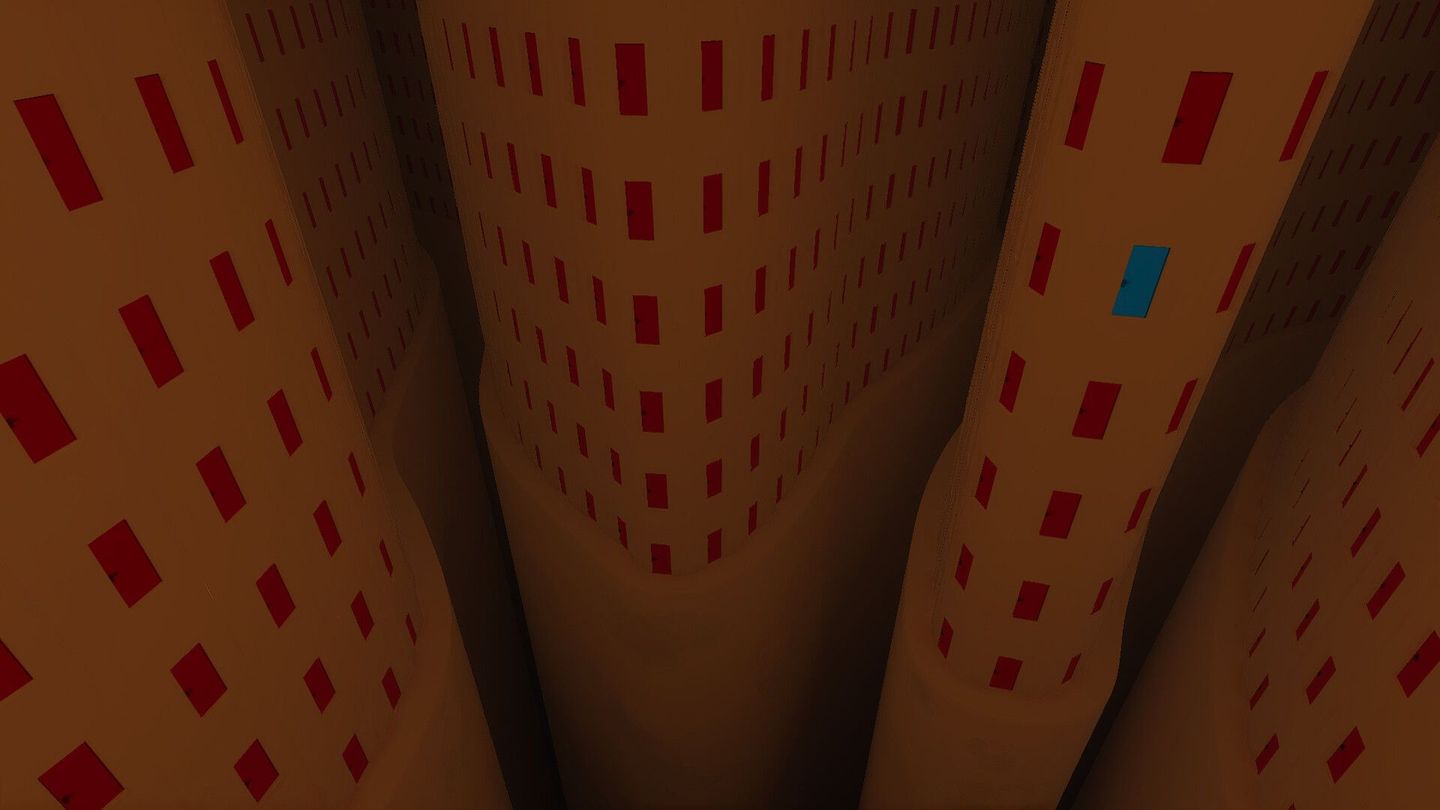
Barzakh is presented as a reality between realities. It borrows the logic of dreams but refuses to be one. Memory leaves physical traces here. Rooms reset or change when you leave and return. Gravity can tilt or vanish, and long corridors can fold into impossible shortcuts. The environment reacts to you in small, uncanny ways, as if the place knows you do not belong.
That unreliability is the design. Progression is semi-linear rather than level-based. New paths and solutions unlock as you learn how Barzakh encodes information - by symbol, movement, and consequence - rather than through explicit clues. The game rewards careful observation and patience more than trial-and-error banging on doors.
Exploration Through Unease
Awakeness leans into environmental puzzles that are more about perception than inventory juggling. Expect to interpret spacing, repeated motifs, and cause-and-effect in a world that resists simple logic. Some rooms will give the same impression twice and then, on the third visit, shift meaning entirely. Light and shadow alter how spaces read, and that affects both traversal and the solutions you find.
Movement never feels entirely safe. Shifting gravity and disorienting geometry make navigation tense and purposeful. The puzzles are subtle by design; success comes from noticing the ways Barzakh bends itself around you.
Isolation and Presence
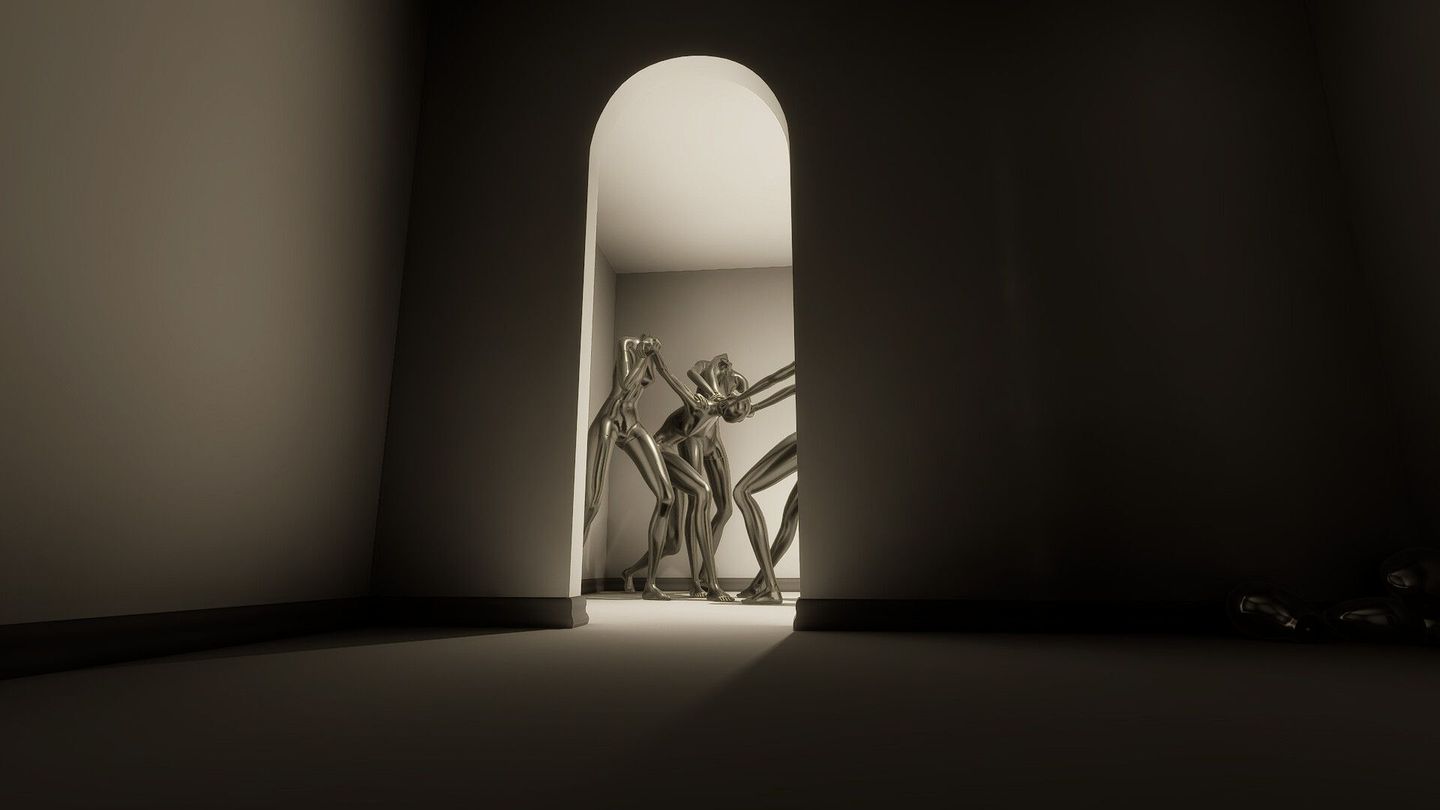
You are alone, but not helpless. There is a hostile presence bound to the structure itself. It is unseen, omnipresent, and responsive. There is no combat system. Your tools are stealth, careful movement, and light. Use illumination to reveal or protect, and use silence or hiding to avoid drawing attention.
At a critical point the experience pivots: survival depends on stealing something valuable from that presence and escaping unnoticed. Failure does not end with a cinematic death scene. Instead you fail by becoming lost, absorbed into the endless dark, which fits the game's slow-burning dread.
A Player-Driven Psychological Experience
Yalda is deliberately undefined. Her fear and determination are whatever you make of them through how you play. Awakeness avoids explicit exposition and lets atmosphere, sound design, and environmental storytelling deliver meaning. It is less about jump scares and more about the quiet, accumulating discomfort of being awake in a place that should not exist.
For players who enjoy tension built from space and suggestion rather than action, Awakeness promises a patient, unsettling exploration. It asks you to read a landscape that lies to you and to move carefully enough that the house does not learn your name.