
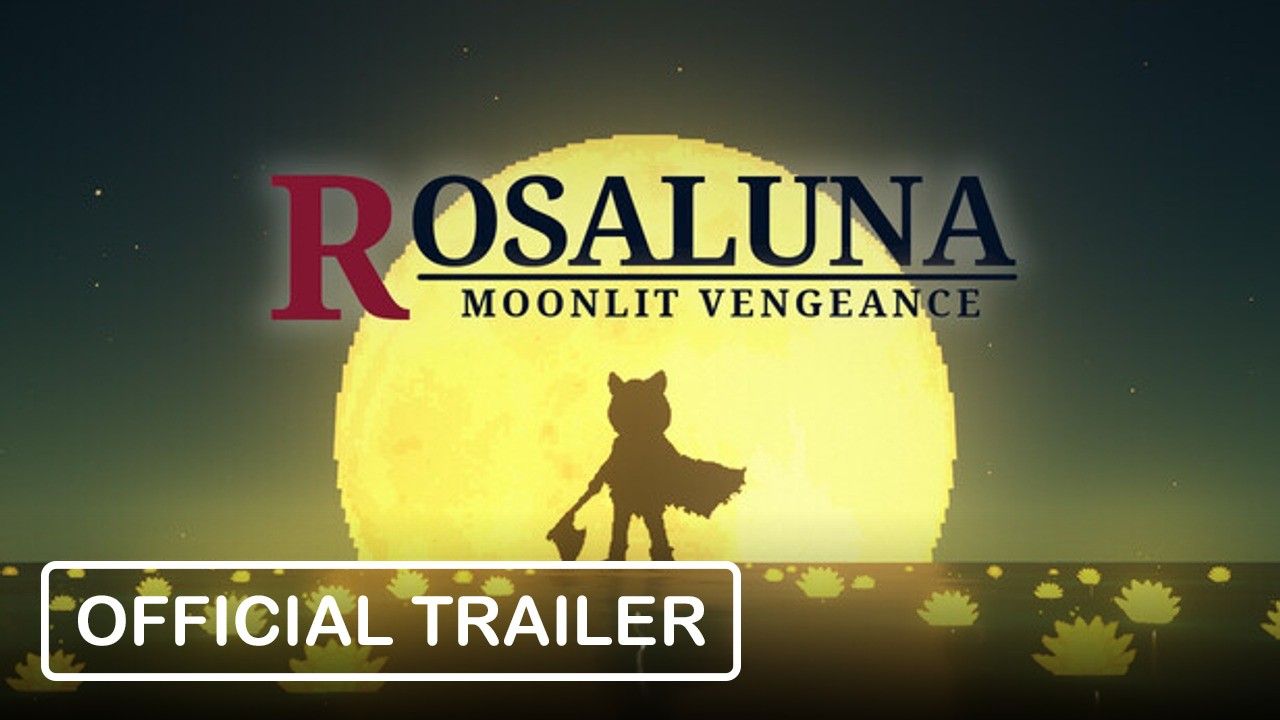
Rosaluna: Moonlit Vengeance Blends Real-Time Tension and Turn-Based Strategy
Rosaluna: Moonlit Vengeance is the personal project of a solo developer, and it shows in every thread of its design. The game frames a small, intimate story inside a vast, unforgiving world: four years after a never-ending winter fell over a reimagined northern Vietnam, a red-hooded girl named Rosie sets out with a celestial rabbit named Pearly to find who killed her grandmother. The pitch is simple, but the systems promise a lot of tonal and mechanical depth as gameplay becomes storytelling.
A World Caught in Perpetual Winter
The setting is low fantasy grounded in a specific regional mood. The north has gone desolate, wildlife vanished except for hungry wolves, and the Mountain God has gone silent. People still practice hospitality, but morality is strained by scarcity and survival. That tension-between communal warmth and harsh survival-drives much of Rosaluna's atmosphere. The mystery of whether this is divine judgment or something else underpins the journey and the questions the game wants players to live through.
Rosie and Pearly: Small Heroes, Big Mechanics
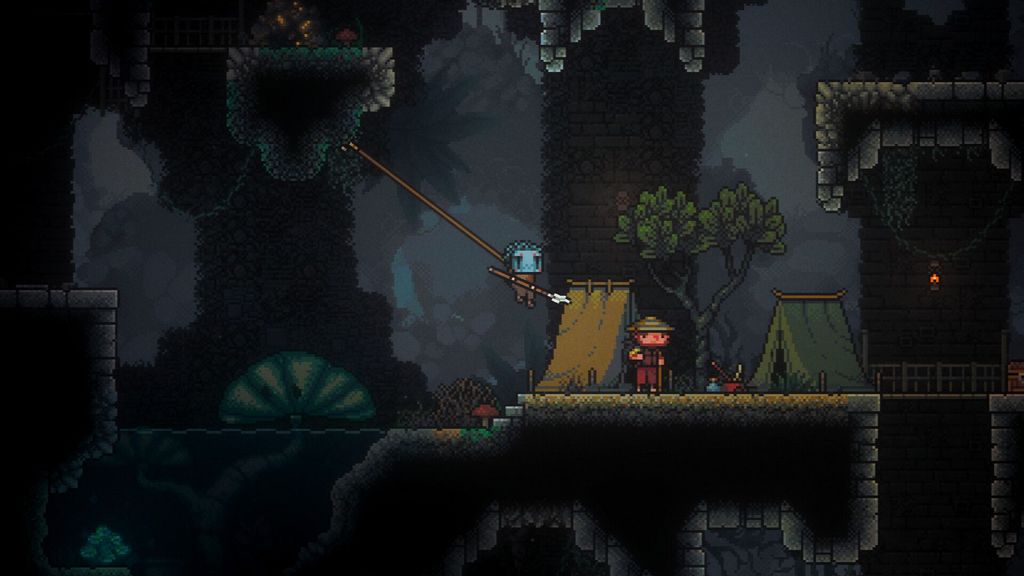
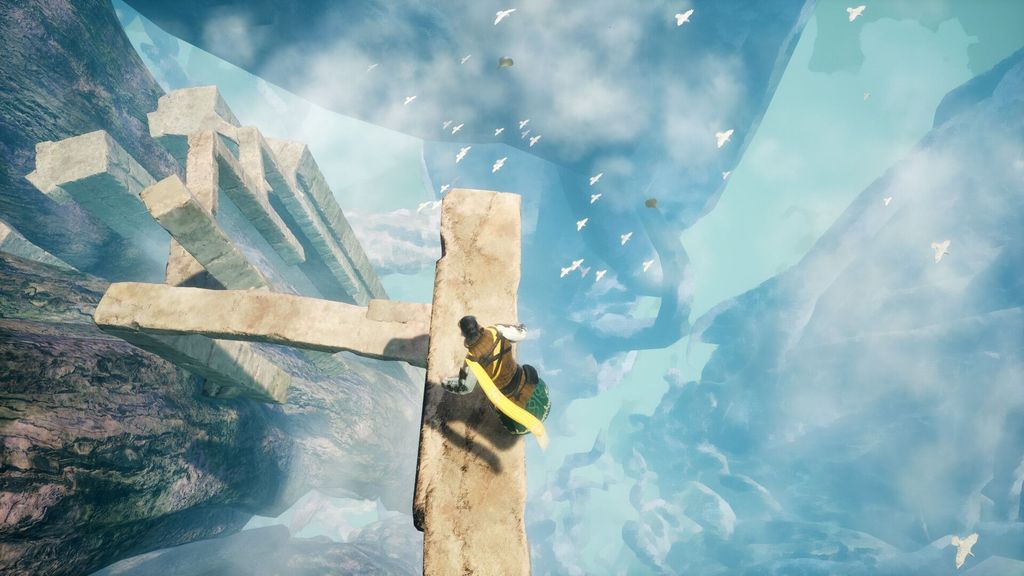
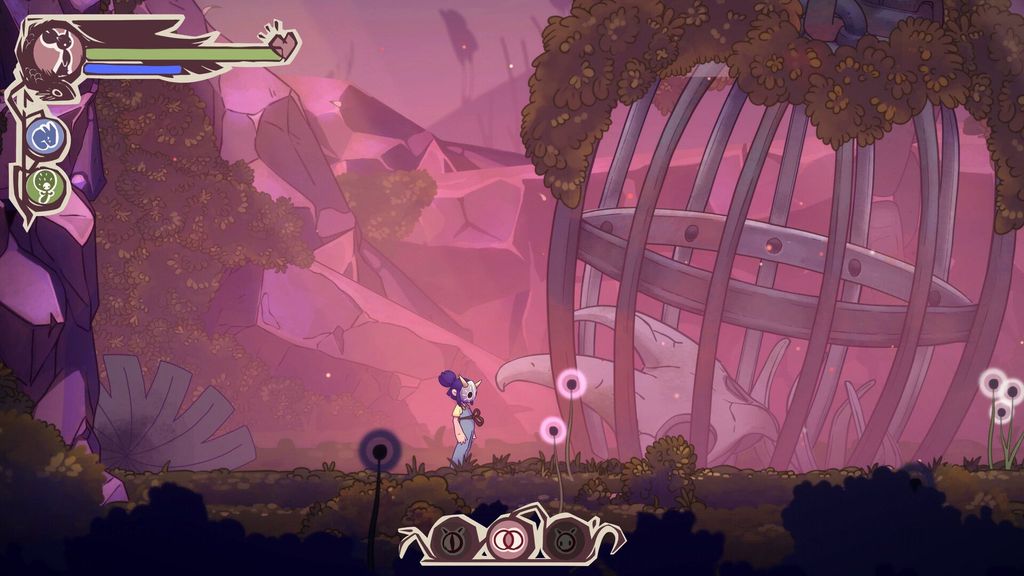
Rosie is presented as young but hardened. Her companion Pearly is not just a mascot but a mechanical core of both traversal and combat. In the overworld Rosaluna uses side-scroller movement in a cinematic 2.5D perspective. Jumping and climbing across ruined landscapes matters, and Pearly can shift forms to help navigate: he can become a hammer or a trampoline, among other traversal aids. Those tools promise environmental puzzles and mobility options that keep exploration tactile and character-driven.
Active Command Battle: Where Time and Execution Matter
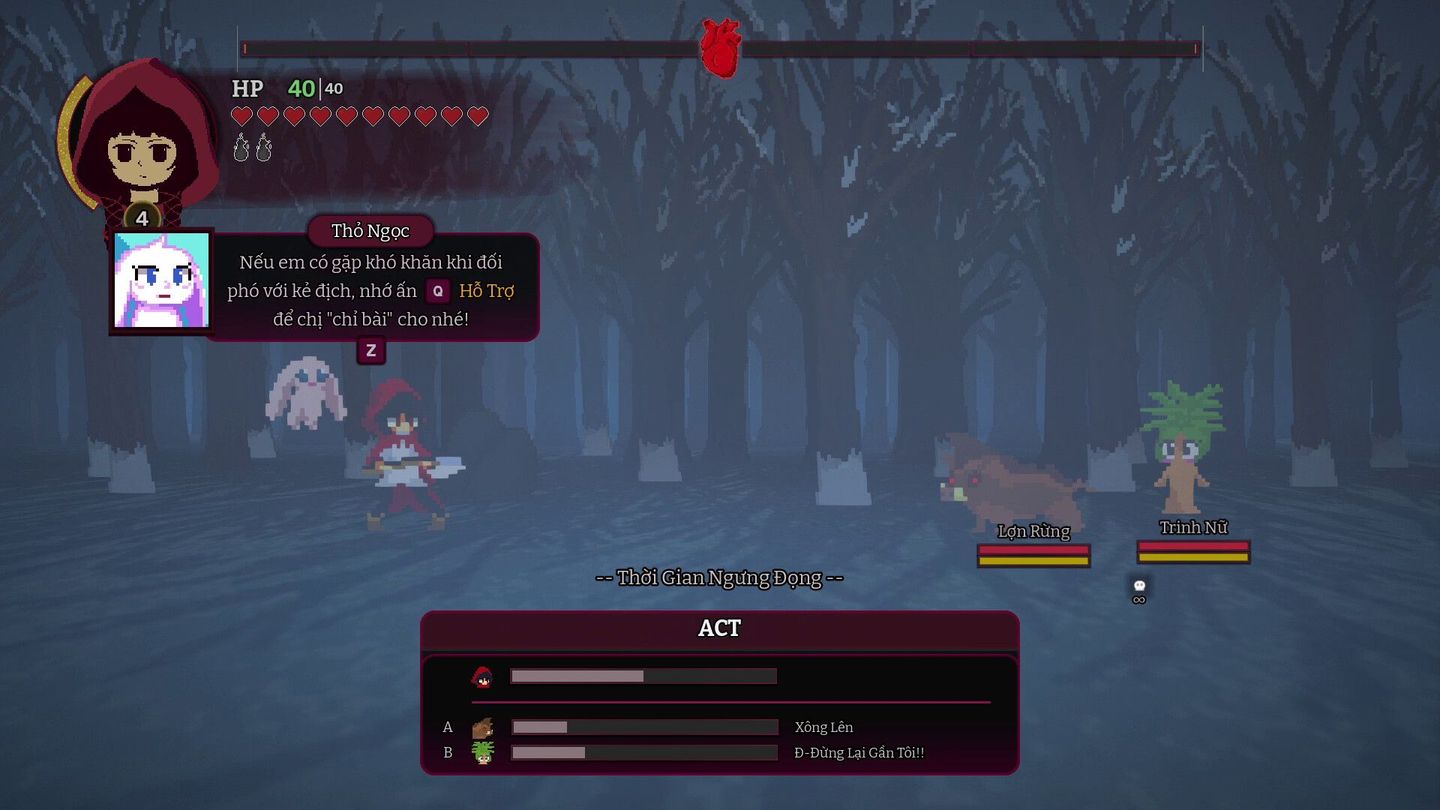
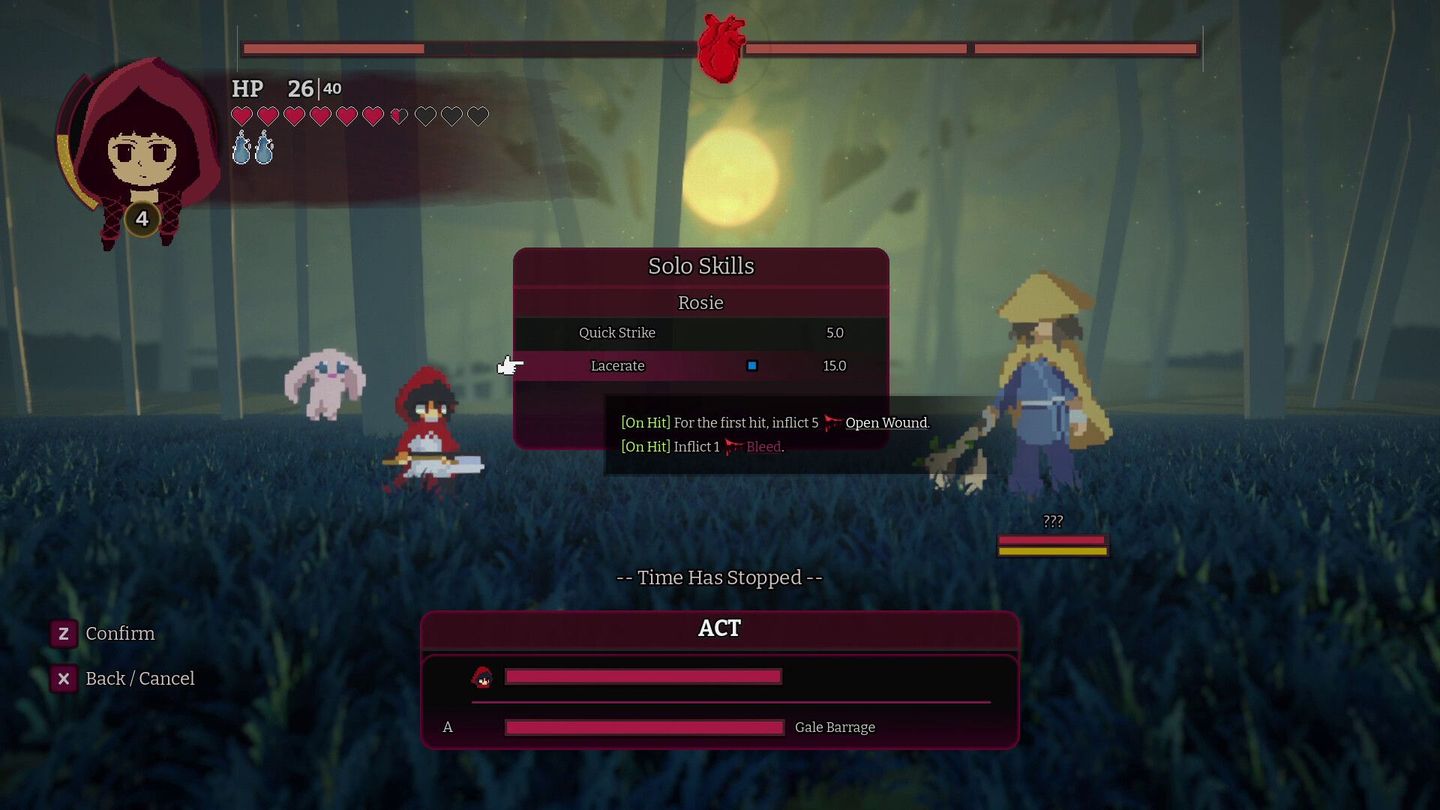
Combat is where Rosaluna aims to stand out. The developer describes an Active Command Battle system that attempts to merge three ideas. Active means time flows constantly during encounters, so effects like status, cooldowns, and other timers progress in real time. Command means strategy alone is not enough; time pauses for action selection so execution and timing matter-players must pick and perform moves with care. Battle elevates the stakes by leaning into emotion: an Emotion Level mechanic makes fights more dangerous and intense as conflict escalates, reflecting the narrative's rising emotional temperature.
The game lists Paper Mario, FINAL FANTASY, and Library of Ruina as inspirations for the feel of its battles. Those references help explain the hybrid ambition: a tactical backbone with moment-to-moment physicality and the drama of high-stakes exchanges.
A Solo Vision Focused on Catharsis
Rosaluna is explicitly described as a deeply personal experience where mechanics are narrative tools. The developer wants emotional escalation and catharsis to be the main deliverable, not just loot or numbers. That intent influences design choices from traversal to battle pacing, and it's worth watching how those ambitions translate into play.
All visuals shown are in very early stages of development and are subject to change.
What to Watch For
Keep an eye on how the ACB system balances real-time pressure with turn-based clarity, how Pearly's forms expand both traversal and combat options, and whether the game's emotional aims land in the texture of its encounters. For now Rosaluna reads like a careful, ambitious indie: compact in scope but big in tone, and worth following as the solo developer shapes this wintry, vengeful world.
➡️ Check out Rosaluna: Moonlit Vengeance now on Steam