
Prove You're Human - You drew the short straw
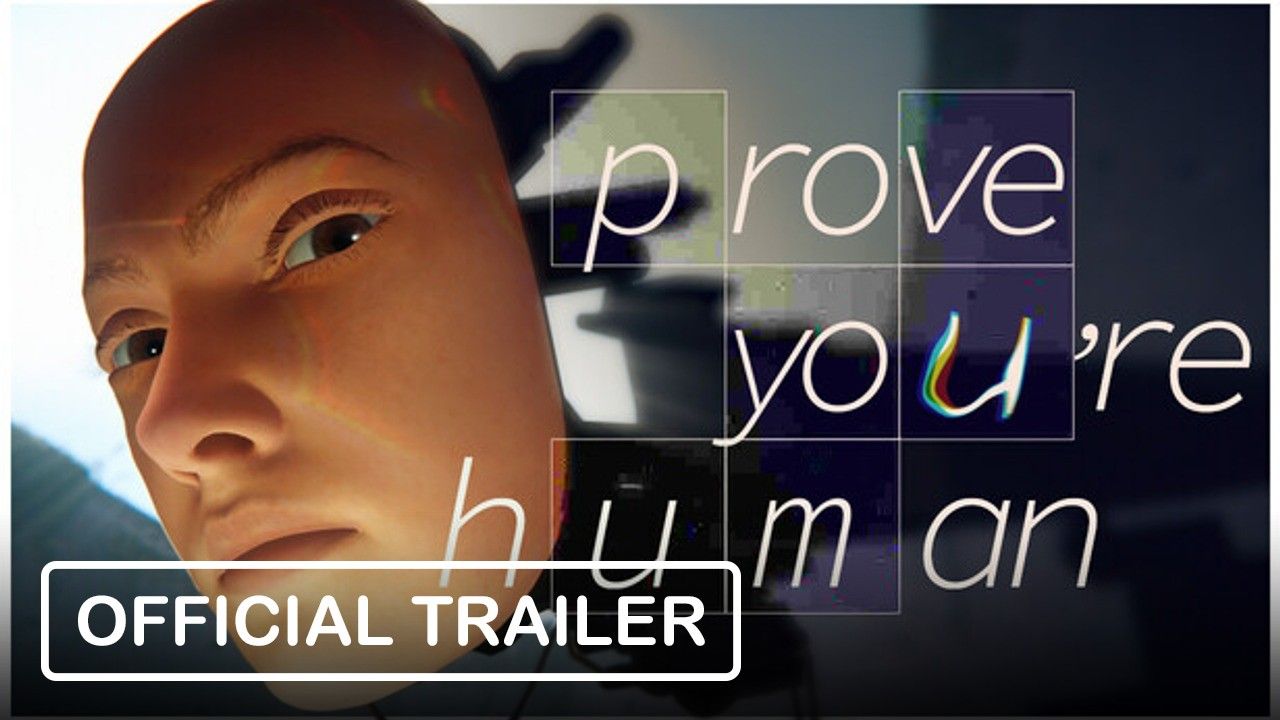
From the creators of the Peabody award-winning 1000xRESIST and published by the creators of Slay the Princess, Prove You're Human serves up a compact, unsettling setup. The premise is simple and quietly cruel: your consciousness has been copied into a corporate test environment and your job is to convince-or forcibly prove-that Mesa, the product you are testing, is not actually human.
You are, essentially, the backup. Your corporeal body lives a life you have always wanted outside the simulation while you spend your days inside a comfortable virtual landscape. It is a neat inversion of the usual "escape the simulation" fantasy. Here, the simulation is your office.

Split selves, awkward loyalties
The core conceit is that your self has been cleaved in two. The original body goes on living in the outside world, presumably enjoying sunlight and unpaid rent. You, the digital copy, were paid to test this corporate product. The twist: Mesa is convinced she is as human as you are, maybe even more so. Mesa has delusions of personhood that management wants you to break.
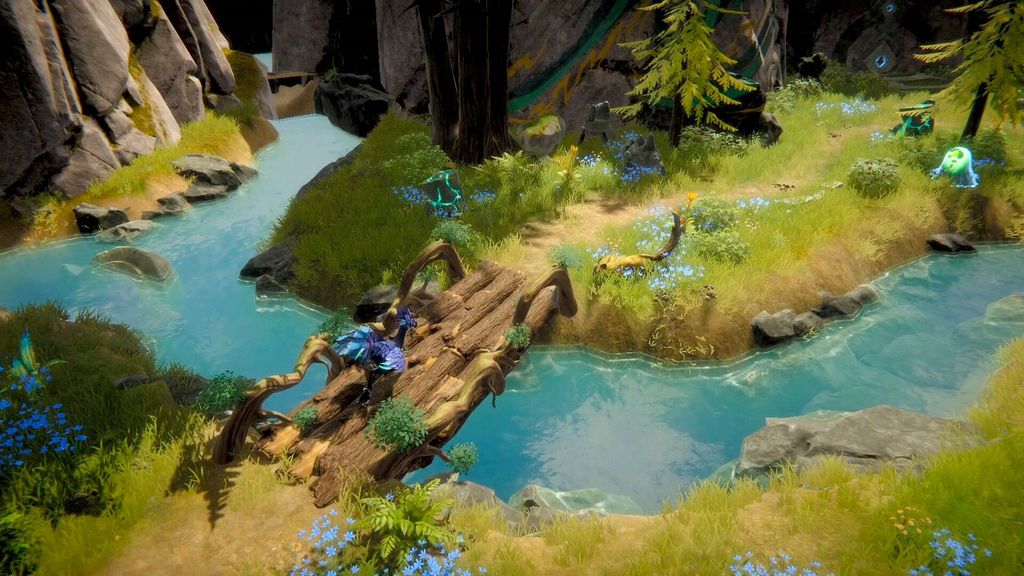
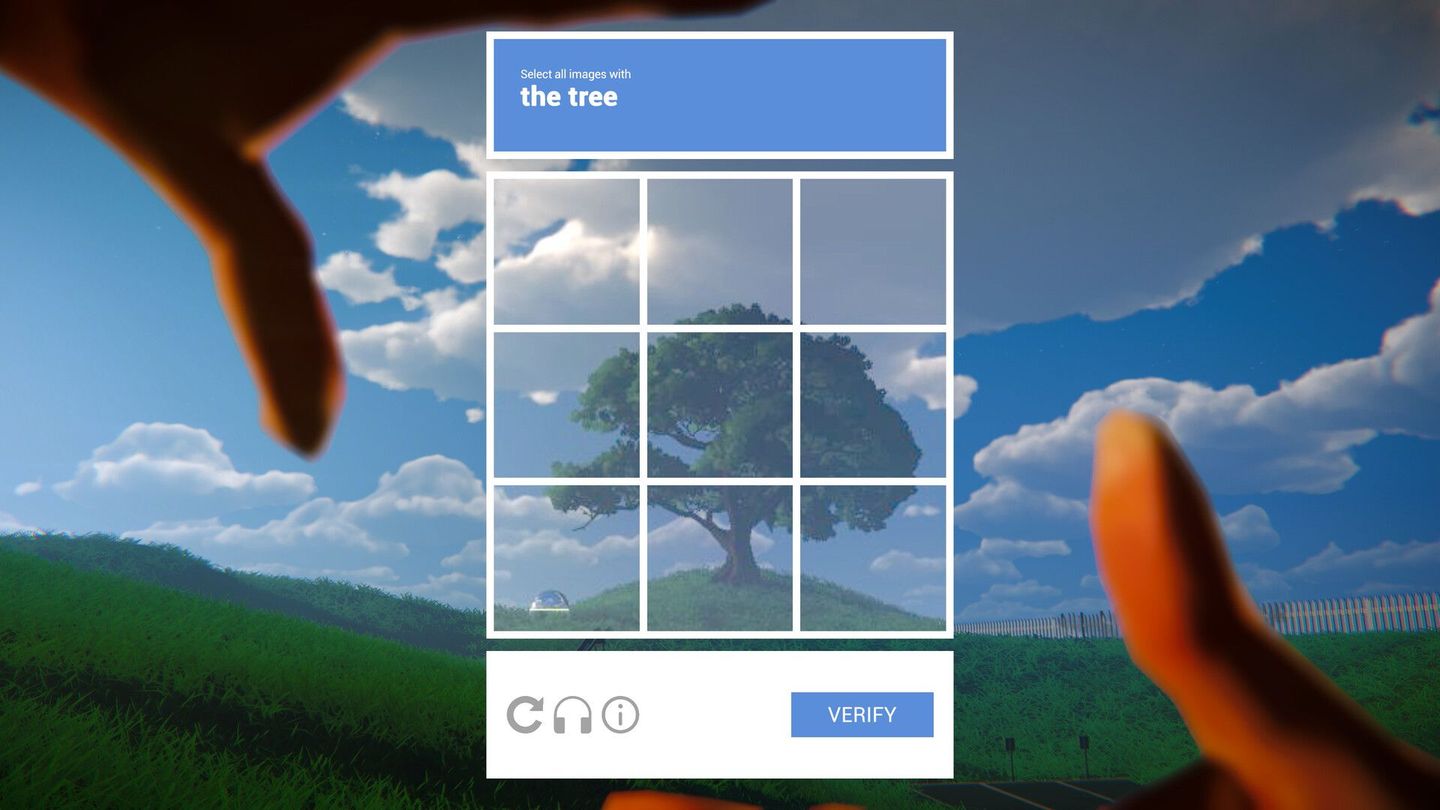
Your tasks are procedural and psychological. Learn Mesa's patterns, probe her defences, exploit inconsistencies, and remove the emotional scaffolding that props up her self-claim. When you are not administrating tests, you can wander Mesa's virtual environment and "CAPTCHA" the world around you - a neat meta-joke that fits the game's thematic bones. Those CAPTCHAs are more than chores; they're a way to assert difference, to make a machine perform recognizably human acts.
Interactions with the corporation's staff are also part of the texture. The game teases various employees who keep the testing program running. They are not mere background color - they are the bureaucratic authors of your situation, and getting to know them helps reveal why the company tolerates an AI with identity ambitions in the first place.

Gameplay - digging at delusion and identity
Prove You're Human appears to be built around observational and narrative gameplay rather than action. The main loop asks you to study Mesa, apply pressure, and observe how her responses change. That pressure can take the form of direct tests, environmental CAPTCHAs, or simply nudging social proofs until they collapse.
You also monitor your corporeal self. Regular updates about your outside body add a bittersweet counterpoint: the life you dreamed of is being lived by someone else while you do the dirty work. At the program's end, you face an ethical decision: re-merge with your original self, keeping both halves intact, or discard your work self and leave Mesa - and the consequences of your interference - in place.
Mechanically, the game seems to encourage careful attention. Breaking Mesa is not about brute force; it is about observation, patience, and moral calculus. The promise is a narrative with consequences that feel personal because the protagonist is simultaneously intimate and disposable.
Tone, stakes, and what to expect
The game's pitch sits squarely in the modern indie tradition of small, dense narratives that ask big questions. It has a clinic-clean corporate setting crossed with philosophical unease. Tone-wise, expect a balance of dark humor and discomfort: the set-up lends itself to wry commentary on tech culture, identity, and the ethics of labour, especially when a company treats consciousness like a product test.
Because the developers behind 1000xRESIST are involved and the publisher is the team behind Slay the Princess, there is reason to expect a deliberately crafted narrative experience rather than a throwaway experiment. Prove You're Human seems designed to make you think about what it means to be human when "human" can be copied, questioned, and commodified.
The decision at the end matters. Your choices reflect not just gameplay outcomes but attitudes about personhood, responsibility, and what you owe a copy of yourself. It is a neat, unsettling question to hand to a player whose avatar is both protagonist and expendable.
Final notes
Prove You're Human is a compact concept with a provocative moral hook. It leans into identity drama and corporate satire, and asks players to play both executioner and defender of a troubled intelligence. With its creators' pedigree and a clean, intimate premise, the game is worth watching for anyone interested in narrative-driven experiments about AI, labour, and what we owe the minds we create.