
The bird of the North
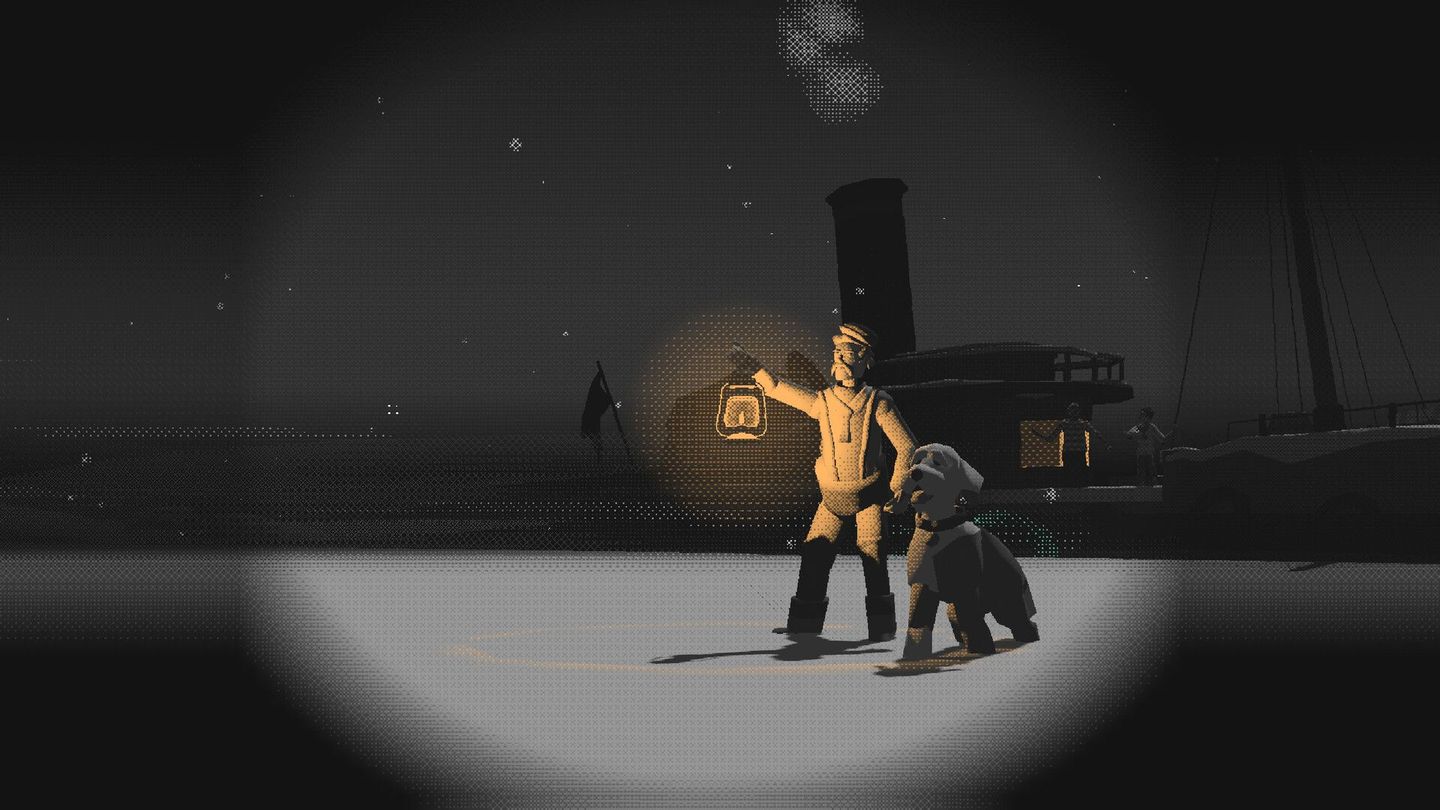
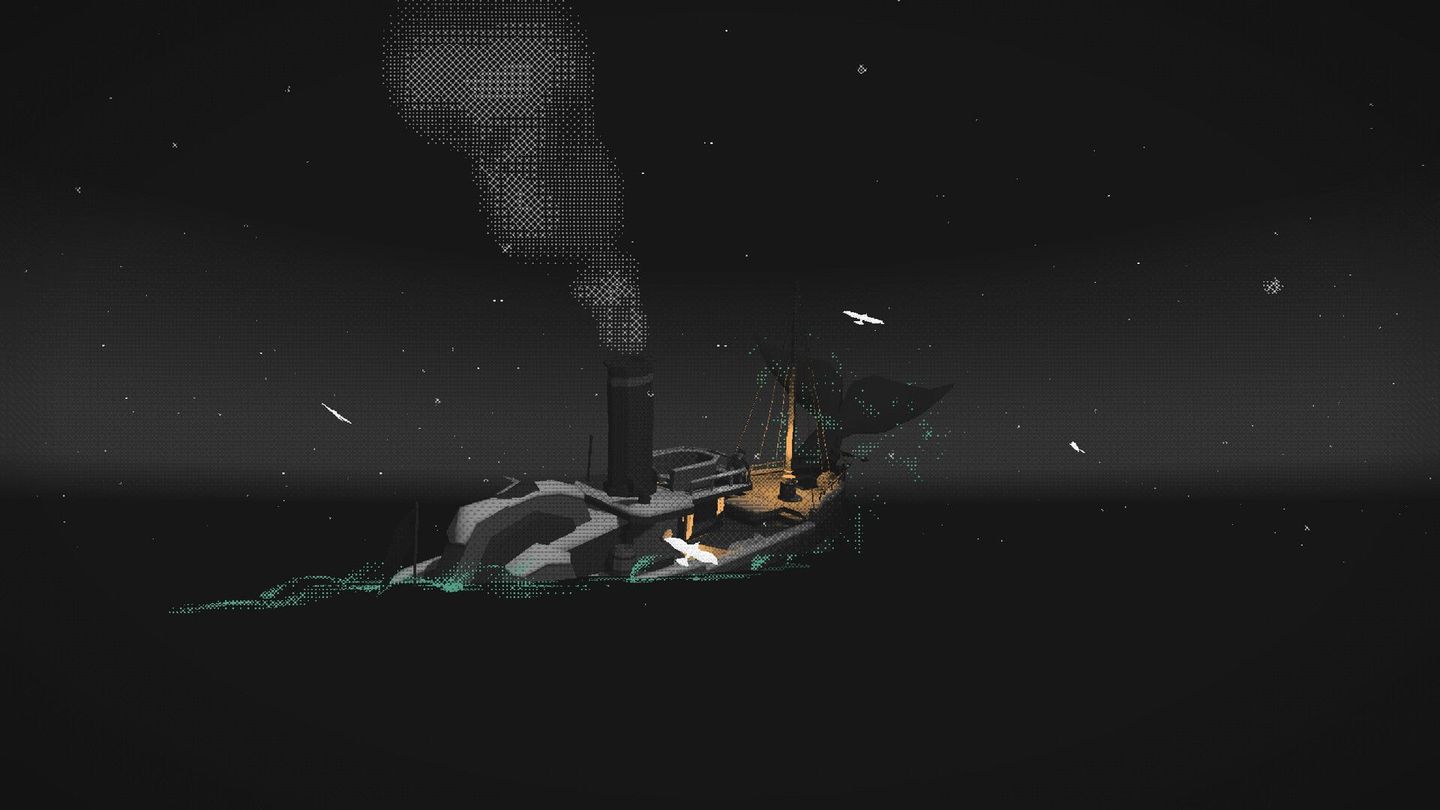
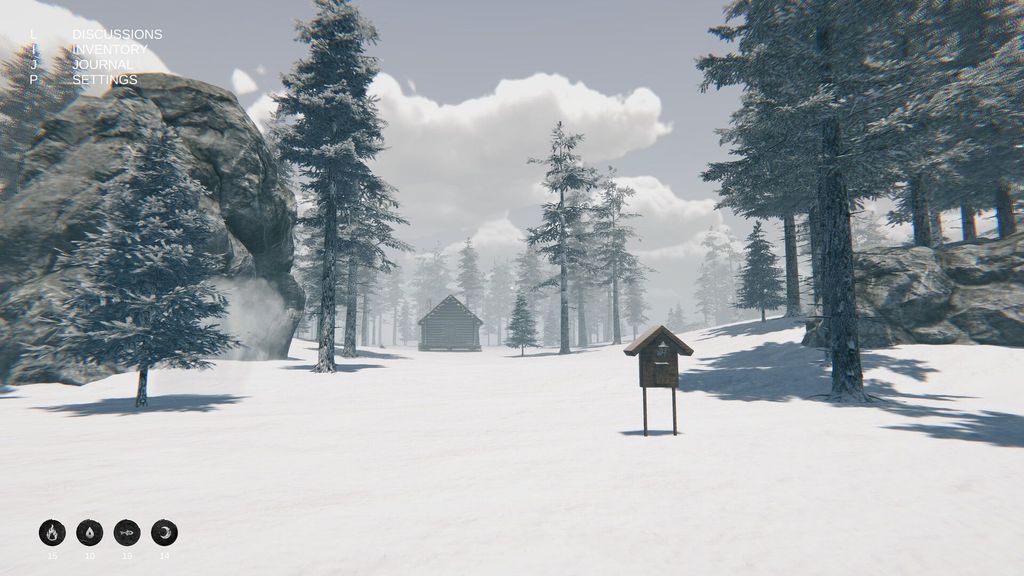
The Bird of the North drops you into an alternate 1921 where the Industrial Revolution has been stopped cold by an ice age. In the face of that new, bitter world an expedition is formed to find answers, and the clues come to you in strange, bird-tinted visions. It is a light deduction game built around careful observation, scene exploration, and building a timeline from fragmentary testimonies.
A stark premise with cinematic potential
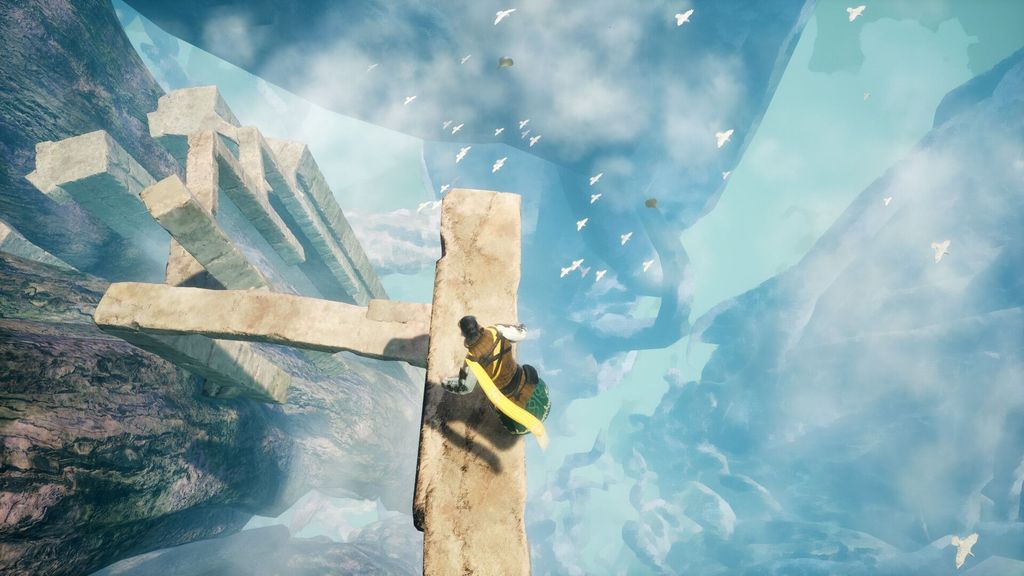
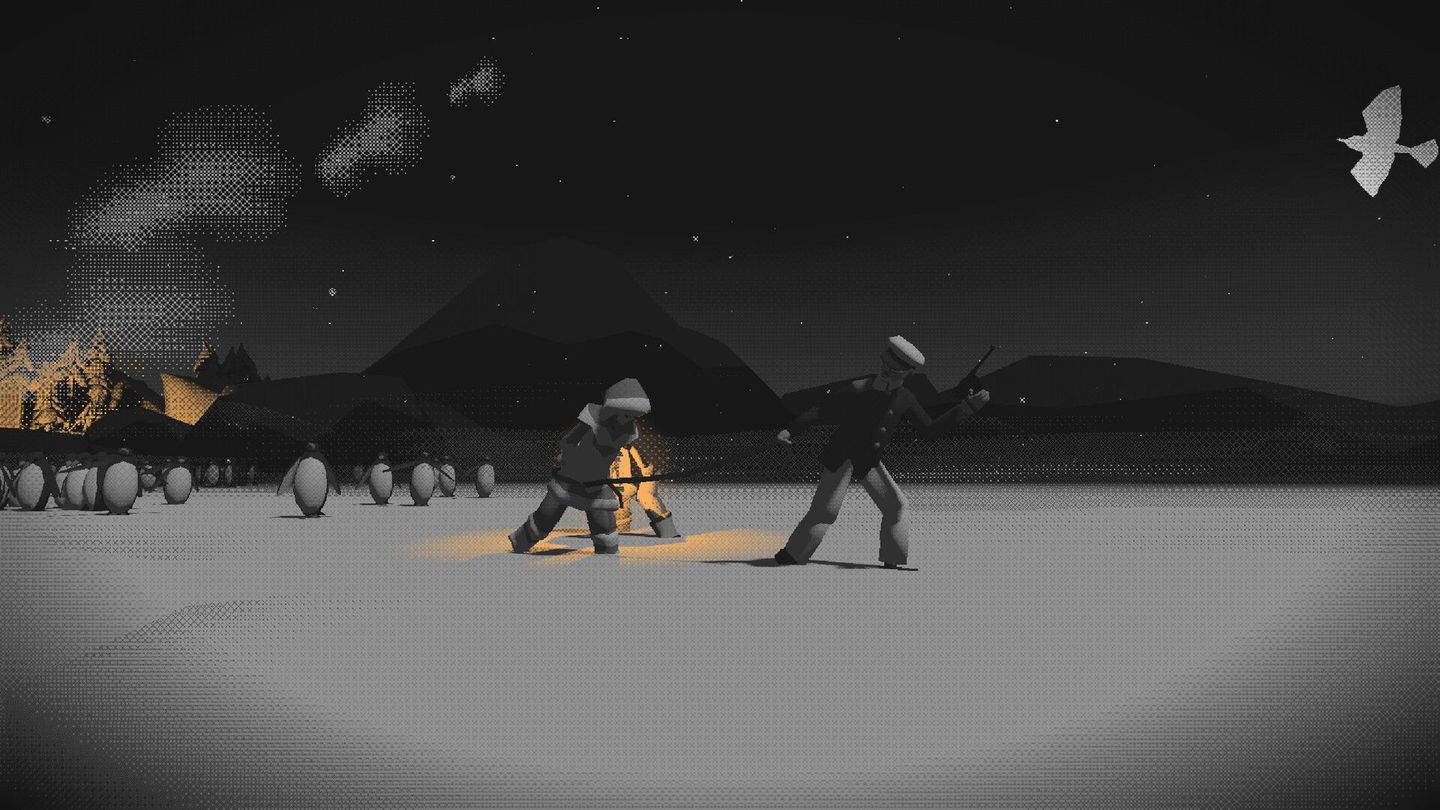
The setup is minimal and intriguing. Humanity's progress halted by an encroaching freeze, communities under strain, and a single expedition tasked with discovering a way forward. The game frames its mystery through visions featuring birds, which act as both motif and lead. You move through scenes, gather fragments, and try to reconstruct what happened across time and place.
The aesthetic implied by the premise is one of cold, quiet dread and quiet human friction. The bird motifs suggest symbolic layers on top of factual clues, opening room for interpretation without obscuring the core deduction work.
How it plays
The Bird of the North bills itself as a light deduction experience with a session length of about 120 to 160 minutes. Exploration is free-form thanks to a simple movement system, letting you navigate scenes without complicated rules getting in the way. That accessibility keeps the focus where it should be: interpreting visions and linking them together.
Mechanically the game leans on a neat constraint. Each character contributes exactly one sentence. It is then up to you to place that sentence in context, understand its meaning within a given vision, and infer what it implies about events. Those one-line testimonies feel like clues in a mystery novel: short, evocative, and prone to multiple readings.
Building the investigation table
One of the clearer structural features is the chronological survey. As you gather visions and character sentences you populate an investigation table that tracks places, clues, and temporal relationships between visions. The table is the game's spine. It forces players to think not just about isolated hints, but about how those hints line up across locations and time.
Filling the table rewards careful notice and logical thinking. The process is deliberately methodical: a few small discoveries can shift your understanding of a sequence, and keeping the chronology tidy is how the larger story emerges.
Pacing and player experience
With two to three hours of expected playtime, The Bird of the North favors slow-burn deduction rather than quick revelations. The game seems aimed at players who enjoy piecing together atmosphere and plot from constrained information rather than rapid-fire puzzle solving. The movement and investigation systems are designed to keep things moving while emphasizing interpretation and chronology.
Because characters speak in single lines, discussion and collaboration could be key if you play with others. Those terse statements encourage debate about what a sentence implies, which scene it belongs to, and how it alters the timeline.
Why it might be worth your time
If you like narrative-first deduction where mood and chronology matter as much as raw clue count, The Bird of the North looks like it could be a satisfying experience. Its core hook is simple and elegant: a frozen world, birded visions, and the slow work of stitching fragments into a coherent story. The game's short, focused mechanics promise an approachable puzzle that still encourages sustained attention.
The Bird of the North does not complicate itself with an overload of rules. Instead it concentrates on context, inference, and the satisfying click of a theory falling into place. For players who enjoy atmospheric mysteries and piece-by-piece investigations, it is a game that asks you to look closely and think chronologically.
鉃★笍 Check out The bird of the North now on Steam