
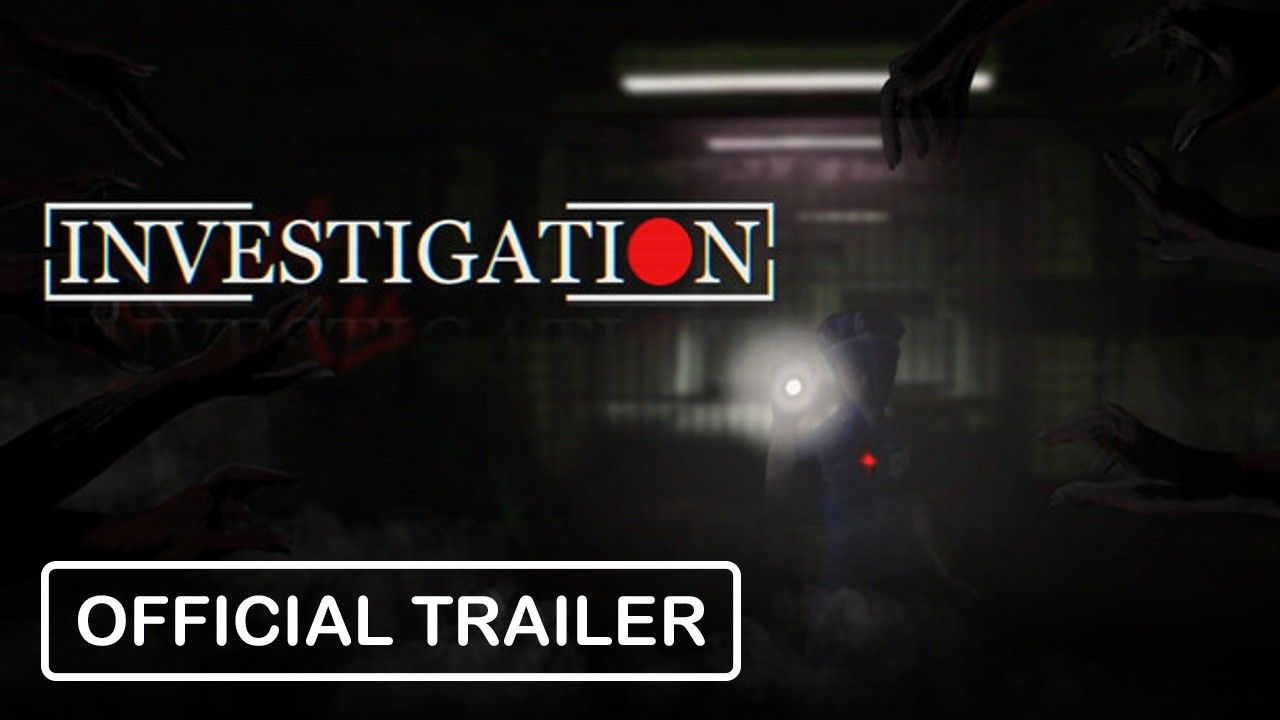
Investigation: The Carter Tapes

A detective with a wound you can feel walks into a station that has not seen a friendly light in years. Investigation: The Carter Tapes drops players into a grungy, 1995 murder case that quickly turns into something far worse. You will follow Alex Rightman as he chases answers through the decaying tunnels of Ghillies Subway and guide him through a nightmare that eats at guilt and grief.
The hook is simple and effective. A call from Polly's Ville Police Department about an 18 year old electrical engineer named John Plier looks routine at first. But the station itself, and the things that live in its shadow, make every corridor a question. Time is a factor. Your choices change the path and the outcome.

  Investigation: The Carter Tapes screenshot 2  

A Dead Station and a Personal Case

Expired - Summer, 1995. That is where the file begins. John Plier was found dead in Ghillies Subway and the case falls into Alex Rightman's hands. Alex is not an untouched investigator. He is a detective riddled with personal loss, still carrying the echo of his daughter's death. That grief is not window dressing. It becomes part of the case, shaping how evidence is read and how nightmares form.

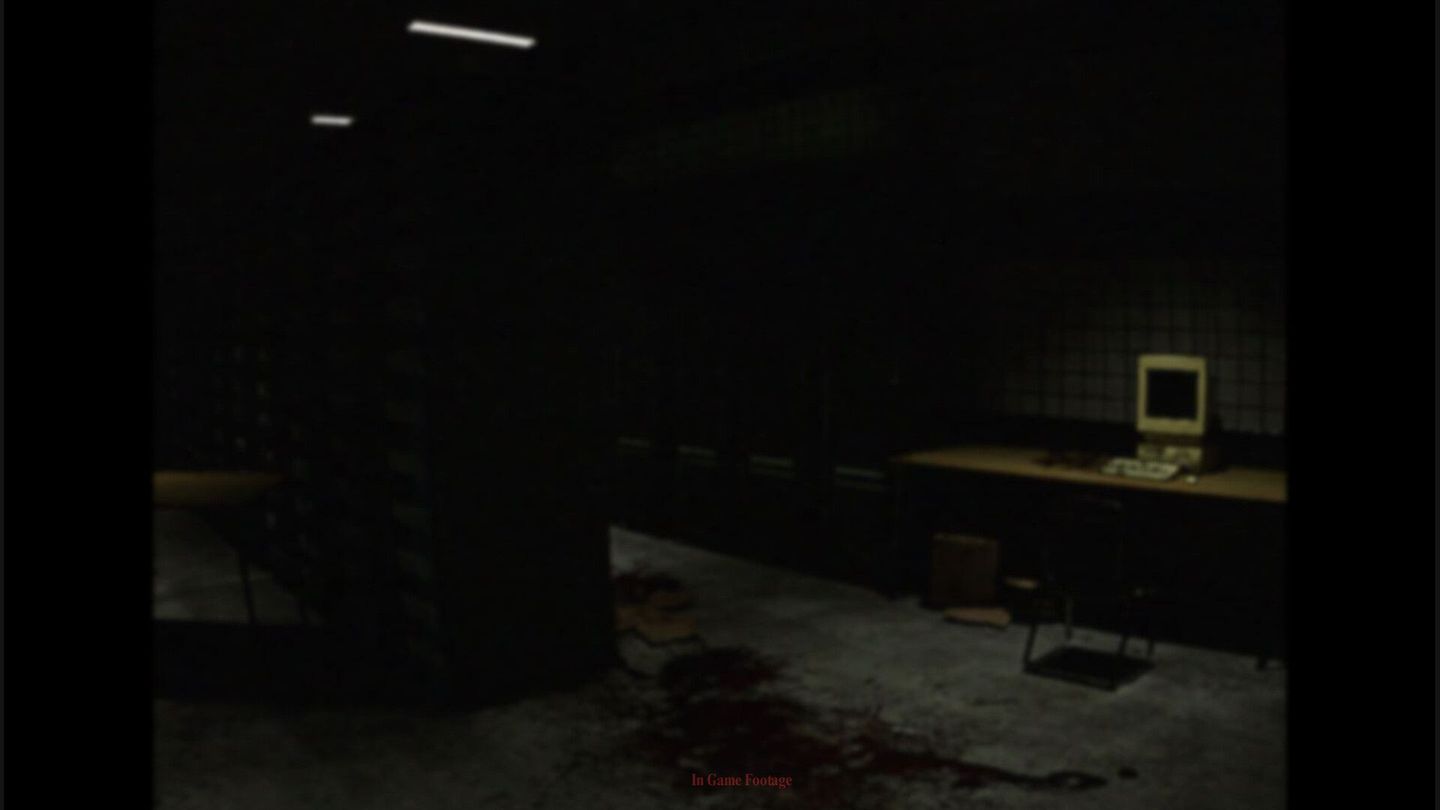
Investigating means piecing together notes, audio recordings, and environmental clues left behind in the station. The setting is a character of its own. Decay, faulty lighting, and abandoned infrastructure work against you. They also hide the truth.

  Investigation: The Carter Tapes screenshot 3  

Two Perspectives, One Nightmare

You play as Alex Rightman and as y̶̼͐̉̏̾̄̈́͆̆o̵̩͆̽̽̄͗̊̈́́͂̓͝͝u̶ͽ̢̢̻͕̦͕̳̼̻͇͔͕͛̅͛̔̉͗̈́͊͠ŗ̶̧͚̺̭̖̫̥̲̤̒̎̃̅̀̅̔ś̷̢͍̞͉̭̦̺̖ę̵̙͖̳͉̝͙̳̅̾͛̀͢͝l̷̳̏͆̓̃̿͊̉̄f̷̛͓̭̥̱̰̼͂͛̈́́́̎̾̉̚͝, an officer who monitors Alex's bodycam. Alex moves through the station. You, remote and exposed, open doors, trigger systems, and try to keep him alive by the smallest margin.

That split creates a tense dynamic. Alex experiences the world up close, in a way that never lets you forget his haunted backstory. Meanwhile y̷̢̜̺̲̱͎̘̗̟̬̹͉͛̏ can only sit and watch, forced into a voyeur role while the line between waking investigation and dreamlike horror becomes impossible to trust.

Choices matter. Decisions you make while guiding systems and opening paths will shape how the case concludes. That pressure feeds the horror rather than merely decorating it.

  Investigation: The Carter Tapes screenshot 4  

Bodycam-Style Immersion and Mechanics

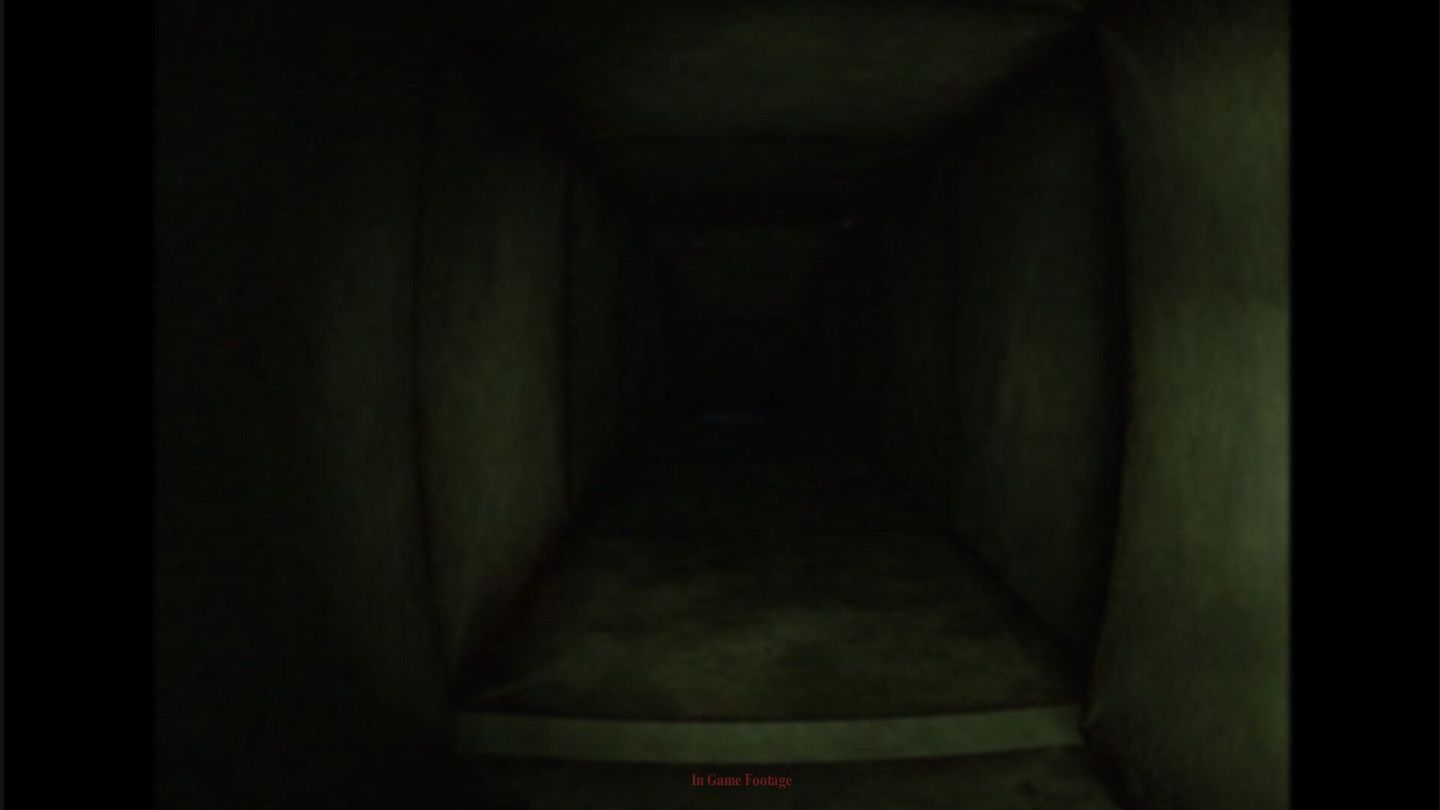
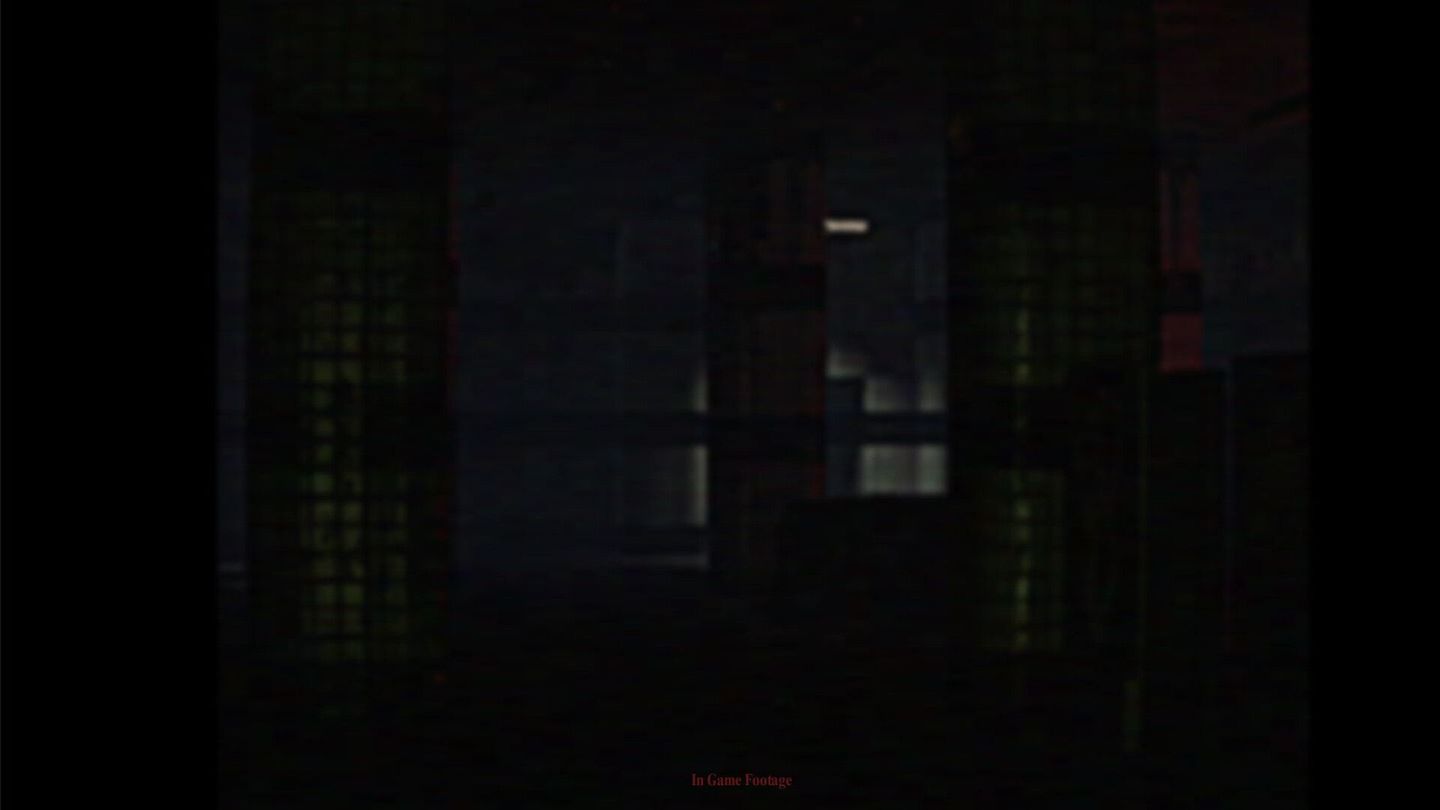
The game leans hard into raw, 1990s camcorder and bodycam aesthetics. There is no heads up display. No overlays. Just grain, flicker, the sound of breath, and the mechanical whirr of old camera tech. That stripped presentation pushes you into a claustrophobic space where small details become vital.

Gameplay blends environmental investigation with narrative tension. Search the platforms and service rooms for notes and recordings. Listen for audio cues. Manage the interplay between what Alex sees and what you can activate from afar. The result is a slow-burn investigative rhythm that occasionally detonates into full panic when something unseen begins to hunt.

There is also a ticking sense to proceedings. The game teases time pressure and the feeling that procrastination or the wrong action could lock the case - and Alex - into a worse fate.


Expect Unease, Not Cheap Jumps

Investigation: The Carter Tapes promises a psychological approach to horror. It is less about constant shock and more about the stomach-tightening dread of a case that mirrors personal ruin. The bodycam view keeps you intimate with Alex's breathing and his faltering resolve. The station keeps secrets in its dark corners and in the scraps of evidence left behind.

If you prefer your scares wrapped in story and mood, and if you like the idea of playing both the field agent and the remote operator, this one is worth watching. Pay attention to the tapes. The truth sits in the static between frames.


➡️ Check out Investigation: The Carter Tapes now on Steam