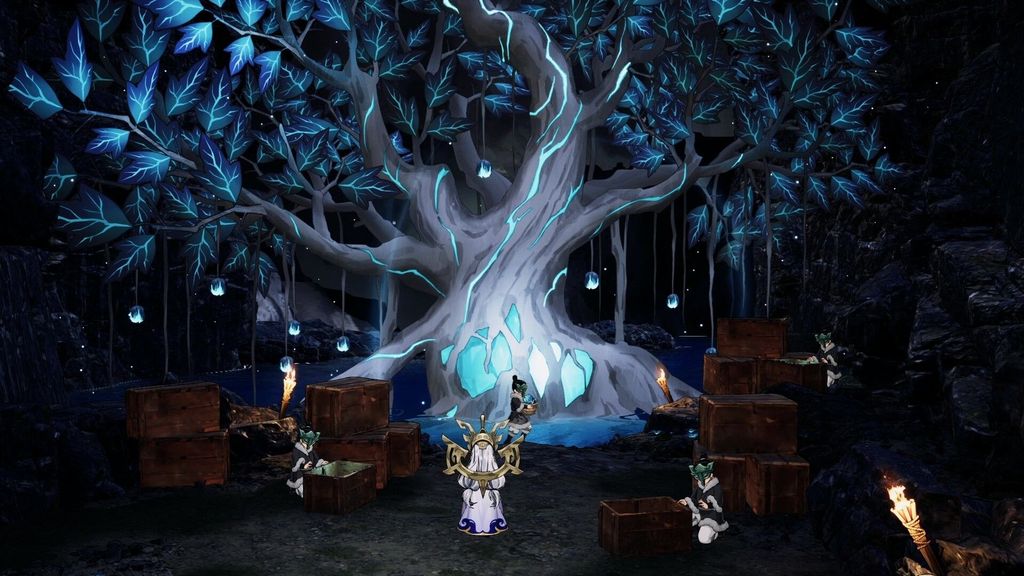

Dead Watch: A castle that refuses to let you leave
You wake in a dark castle among strangers and, while hunting for an exit, witness a murder. Moments later you awaken again to discover the victim alive and none of the others remember you. The catch is brutal and elegant - whenever you find a dead body, the world snaps back in time. Your progress resets, but your character remembers each loop.
Dead Watch turns that simple conceit into a slow-burn puzzle: every reset strips the world of your changes but not your knowledge. With enough loops you can piece together routes, relationships, hidden rooms, and the castle's stories. The goal is clear - cheat destiny and alter events so the killing never happens.
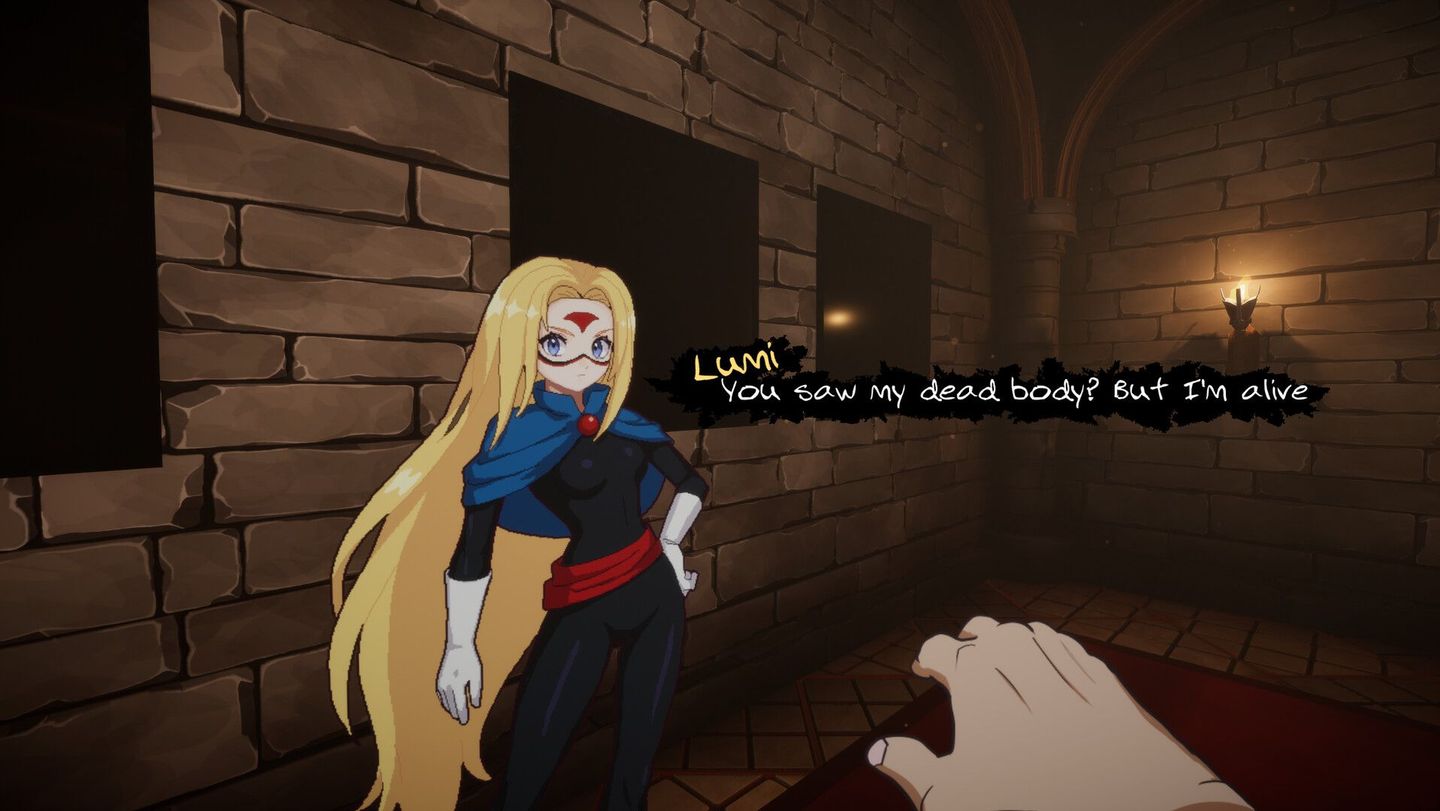
The loop as your primary tool - memory is the mechanic
Unlike games that punish repetition, Dead Watch makes repetition the resource. Each cycle feels like gathering fragments. Doors you could not open before start to make sense once you recall a clue from a previous loop. New dialogue options appear because you now know what to ask, and a previously locked route might become accessible after you learn a sequence or item location.
Resets erase your physical progress but not the knowledge you carry. That design encourages experimentation and careful observation. The power to change the future is literal here: the timeline was designed to make you fail, but your retained memory is the lever to tilt events another way.

Lives on a schedule - timeline simulation shapes investigation
Dead Watch maps each character to a schedule during the loop. People move from room to room, carry out tasks, and react to events depending on the time. Your interventions are meaningful - a distraction in the morning may lead a person to be elsewhere at night, or a conversation you trigger can open a new avenue later in the cycle.
This timeline simulation rewards timing and planning. You are not just solving isolated puzzles - you are coordinating behaviors across the castle. Learning who is where and when, and which actions ripple through their routines, is essential to orchestrating a different outcome.
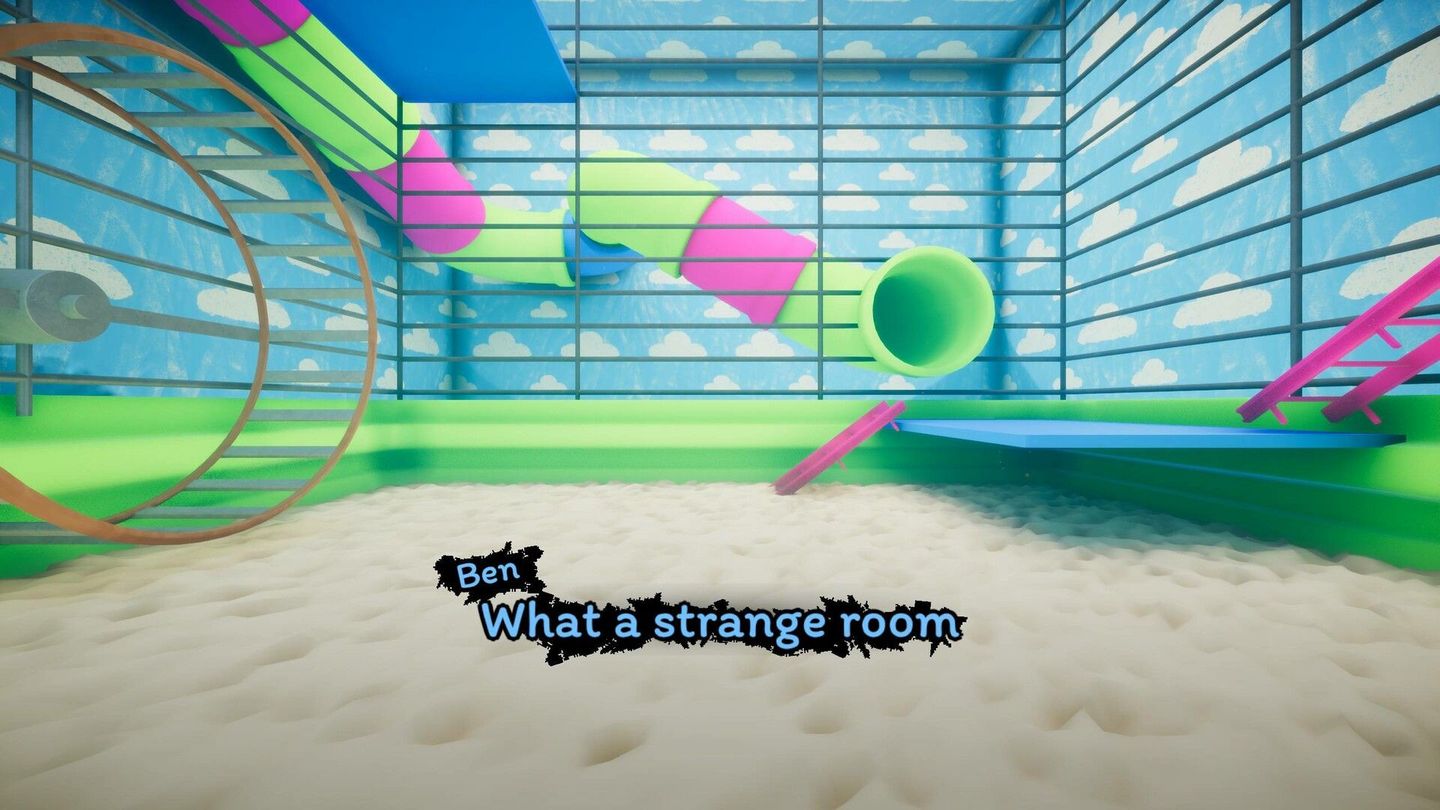
No hand-holding - puzzles, lore, and the tower clock
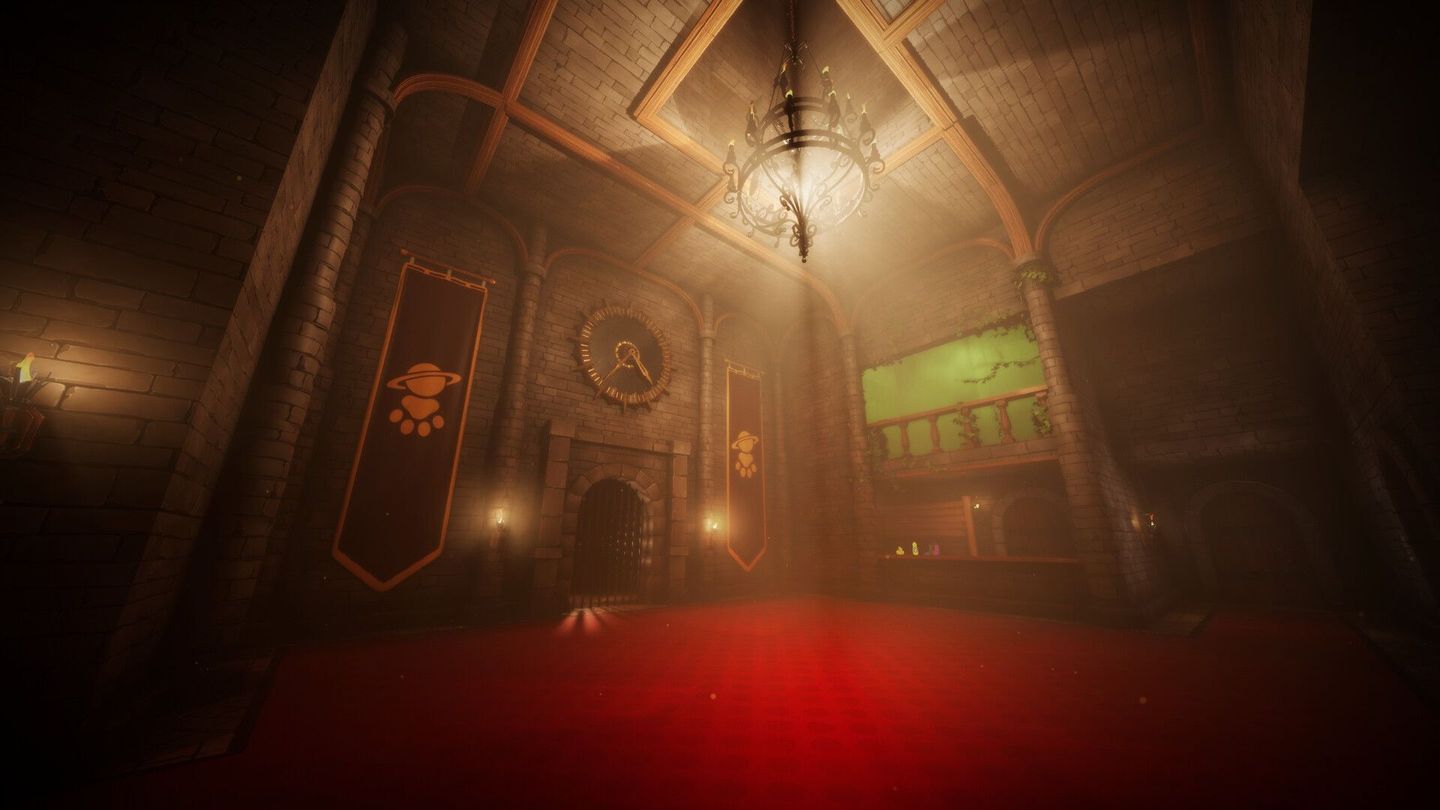
Dead Watch trusts the player. There is no tutorial fairy and no intrusive UI telling you what to do next. Time is tracked diegetically by the towering clock in the grand hall, and clues sit in the environment and in character interactions. That means breakthroughs feel earned and discoveries stick - because you had to piece them together yourself.
Expect to search hidden rooms, solve environmental puzzles, and stitch together lore from dialogue and objects. The atmosphere of a closed-off castle plus the mechanics of repeated loops make each small insight meaningful. If you like detective work that respects your intelligence and rewards patience, this one leans into that feeling.
A mystery built around consequence
Dead Watch is all about cause and effect. Every loop is an opportunity to learn, and every learned detail is ammunition against a fate that seems designed to trap you. It is a focused, atmospheric puzzle-mystery that turns repetition into agency rather than punishment. If the idea of bending a rigid timeline with nothing but your memory appeals, this castle might be worth a very careful second look.