
WinHack 95: Boot a 486, Build a Black-Bag Business
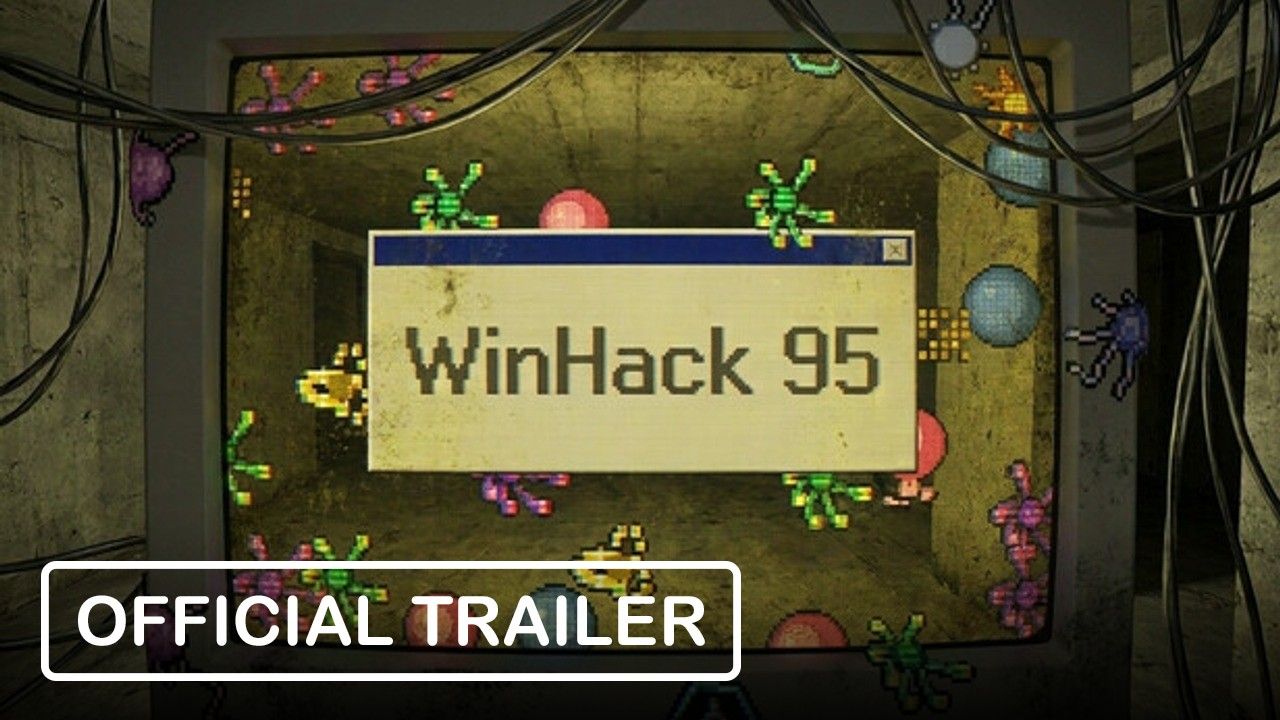
You sit down at a single 486 PC, the CRT coughs to life, and the room has no address. WinHack 95 folds every part of its gameplay into one Win95-flavored desktop: an IDE for building payloads, a spreadsheet for the books, a chat client for handlers, and a file system full of secrets. The aesthetic is exacting - draggable windows, persistent icon layouts, and a CRT shader that makes the whole machine flicker, hum, and glitch in sympathy with your actions.
A Desktop That Breathes
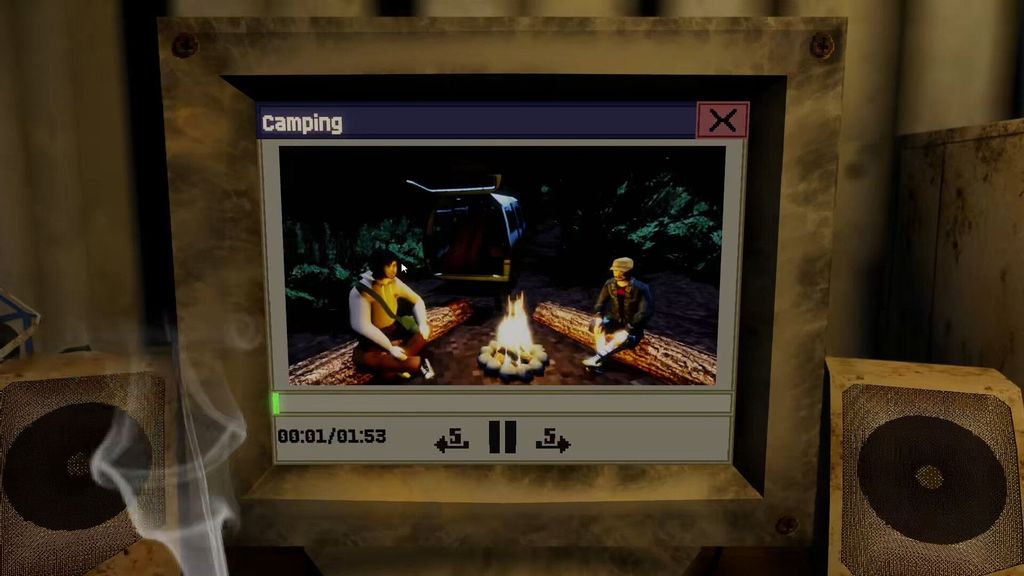
The presentation is the point. WinHack 95 simulates a full BIOS boot, lets you pick a handle, and then drops you at a desktop where everything is interactable. Modal dialogs, a taskbar, and faithful 90s UI behaviors are wrapped in a real CRT post-process. The monitor responds to stress: scanlines stutter when something goes wrong, bloom and flicker add atmosphere, and a configurable "real CRT room" mode adjusts monitor distance and room brightness to sell the feeling of sitting in front of a tube.
Every system event maps to visible symptoms. Intercepted mail and forum chatter live in their own windows. You move icons around, rummage through a file tree, and argue with handlers in a chat client that feels like the wrong kind of real.
Gameplay: Two Compile Loops and a Stack of Minigames
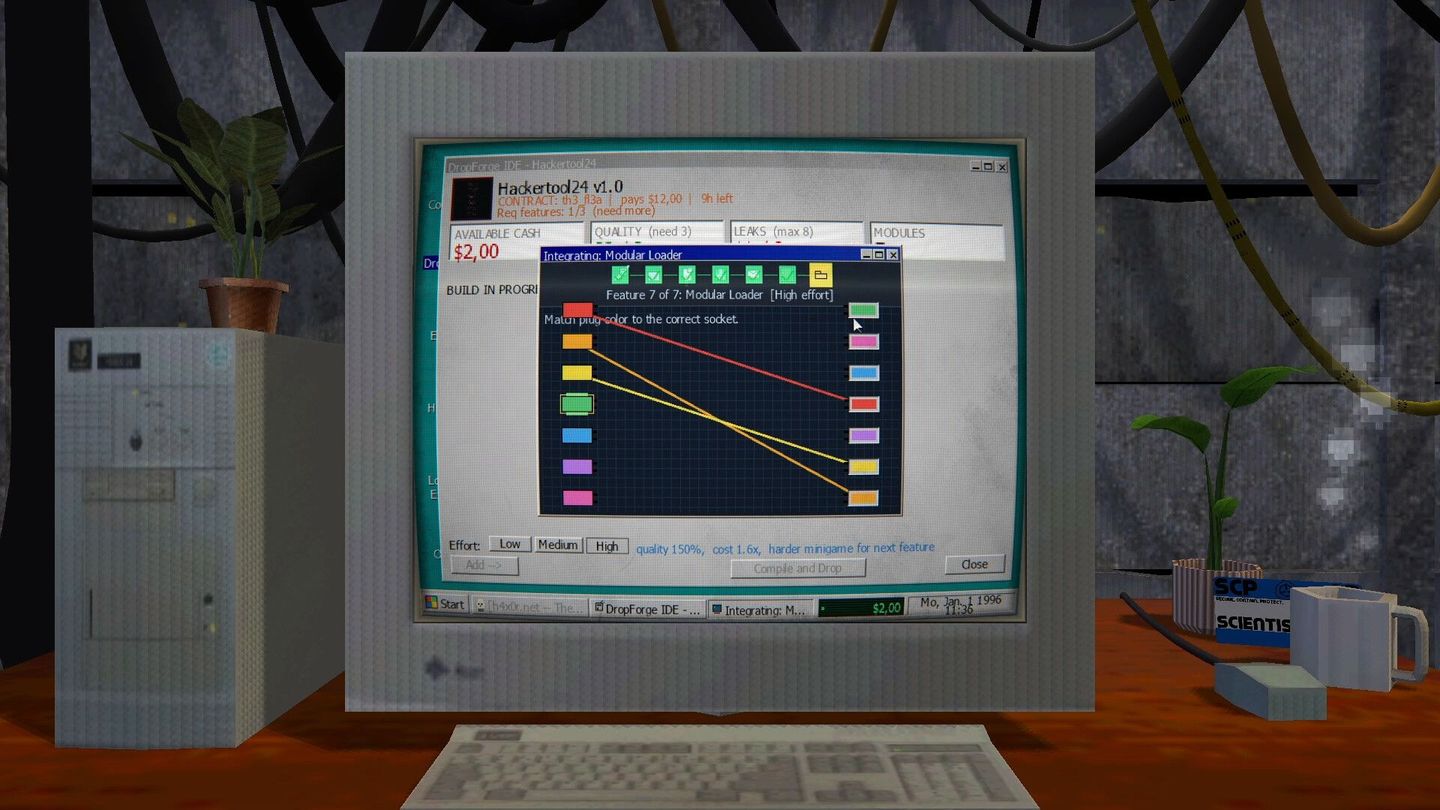
WinHack 95 blends an idle clicker with deliberate, hands-on contract work. There are two compile loops - an always-on idle system that churns out passive output, and a slower, intentional IDE for building big contract payloads. Illegal jobs require you to run through a stack of minigames: code feature by feature, package a build, and ship it to the customer before the deadline burns down.
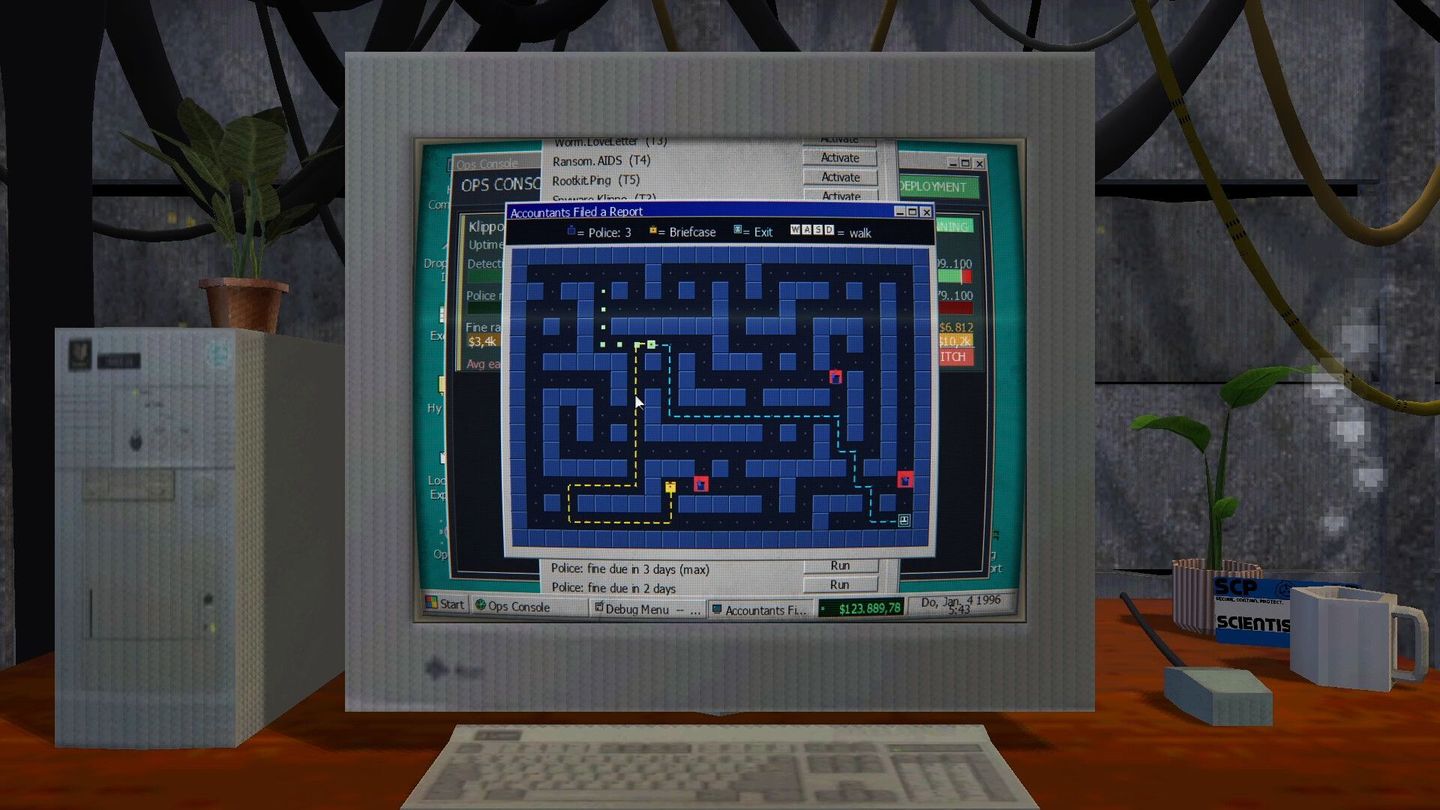
The underground job board exposes four tiers of contracts, mailing lists you can buy, sellable builds you can move on the market, and lurkable forum threads that drip flavor and leads. Contracts pay in cold, untraceable cash, but risky deployments can trigger a police chase. Fail that minigame and a top-down maze runs until capture - when federal seizure ends the save.
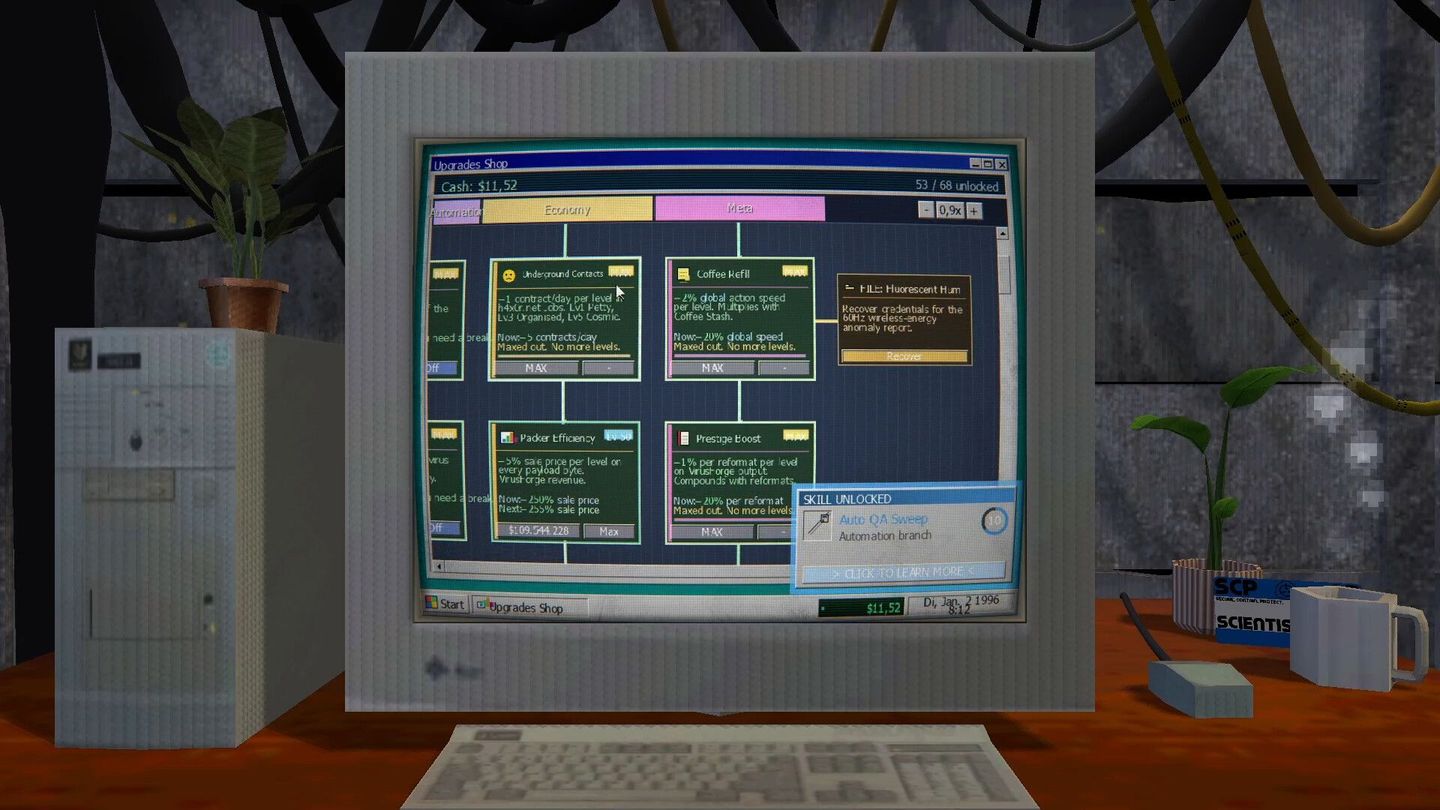
Skill Tree, Automation, and the Slow Burn
Underneath the desktop sheen is a deep progression system. Over 50 skill nodes span five branches, letting you specialize and automate the grind. Want to lean into quiet, steady idle income? There are nodes for that. Prefer high-risk contract work that pays big but demands skill? You can craft that build too. Multi-buy mode and linear progression let you tailor your growth, then automate as much of the low-level work as you like so you can focus on the next contract or dossier.
The game encourages choices that shape playstyle rather than just raw numbers. Each branch pulls gameplay in a different direction, changing how you balance immediate cash versus long-term capability.
Viruses, Cleanses, and Desktop Diseases
Infections are mechanical and theatrical. Only one virus can occupy your machine at a time, and each strain warps the desktop with its own symptoms - from rogue cursors and corrupted file listings to frantic screen flicker. Identifying the strain matters; you then fight back using a tense radial-dial cleanse minigame to reclaim the system.
These encounters feel like high-stakes maintenance rather than simple interruptions. A misread or delayed cleanse can cascade into missed deadlines, corrupted builds, or the wrong kind of attention.
Lore in Fragments
WinHack 95 layers its story across classified files and small, human moments. Fifteen classified dossiers sit behind randomly generated passwords and an in-house ticketing system. Persona storylines drip across mail and chat as multi-day arcs. Phishing events and creepy chats can pay out, scam you, or do something worse, nudging you toward the game's slower revelations.
The narrative approach is purposefully fragmentary. You fund an organization you cannot name and run jobs you are not cleared to understand. No badge. No credit. No paper trail. If you are very good, the dossiers might eventually tell you what you helped bankroll.
Sound, CRT, and the Sweat of an Office
A 15-track original soundtrack underpins the mood, with a LO-FI / hi-fi toggle that crunches audio through bandwidth-limited 90s PC speakers if you want that era-authentic grit. Monthly bills - rent, electricity, internet - auto-deduct on the first of every in-game month, keeping the fiction of an ordinary life visible beneath the illegal work. Save systems include three slots with autosave, manual save, and a shutdown-save prompt so that shutting down actually matters.
WinHack 95 wears its constraints as features. The confined desktop focus, coupled with detailed systems and atmospheric presentation, builds a compact but consistent experience: you wake up, you boot the machine, you make the money the organization needs. You do not ask why. If you're very good, maybe the files will start to answer.
Link Title: Boot a 486, Write Viruses, Dodge the Feds: WinHack 95 Makes Hacking Feel Like Office Work Again
Excerpt: A single Win95 desktop, a CRT that hums, and a steady drip of untraceable cash. WinHack 95 turns low-level cybercrime into a tense, stylish idle sim with a creeping mystery.
SEO Description: WinHack 95 is a 1996-flavored hacker idle-clicker that runs from a single Win95-style desktop. Code viruses, take dark-net contracts, manage bills, fight infections, and unlock classified dossiers through a deep skill tree and layered minigames.