

Guild of Three: When Party Tactics Run on Card Passing

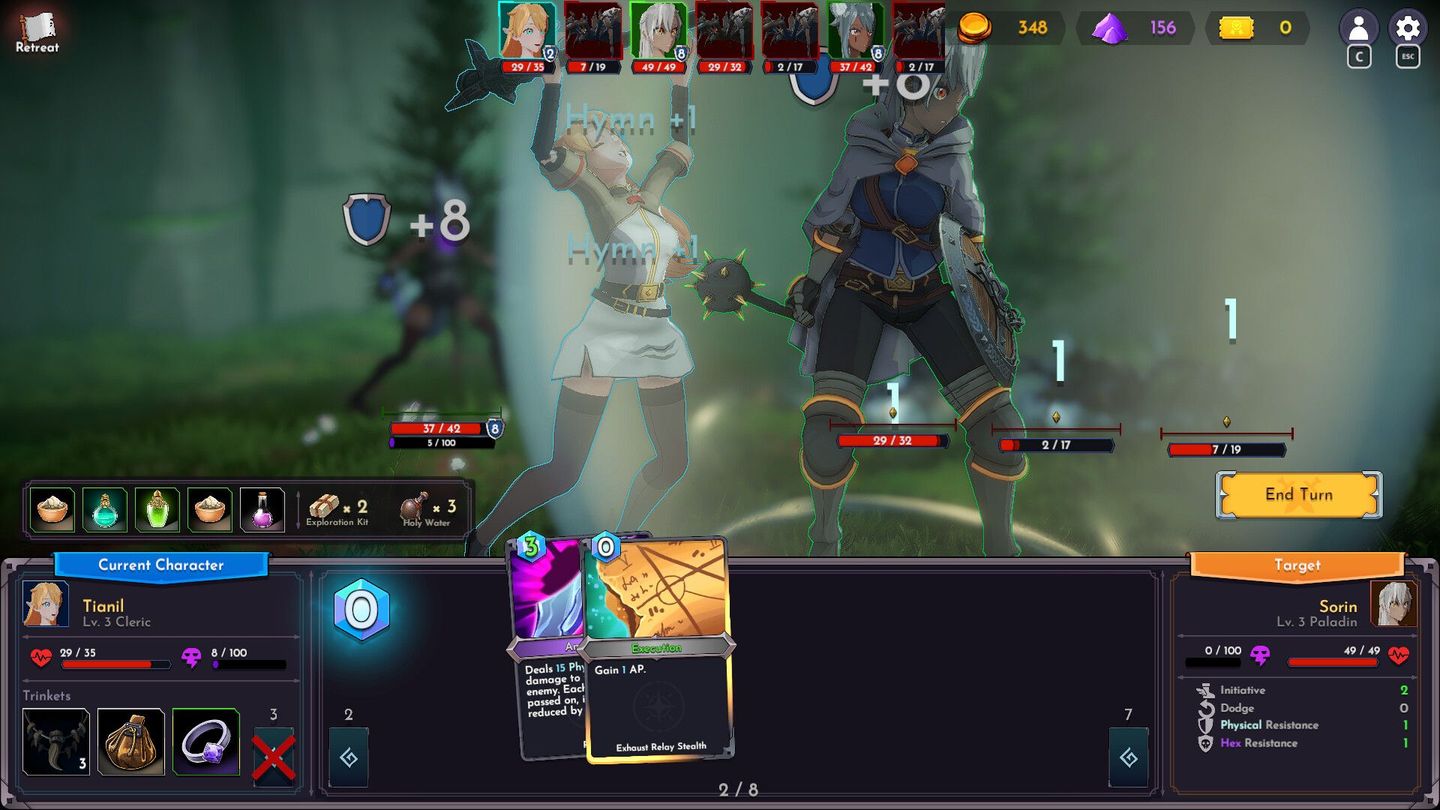
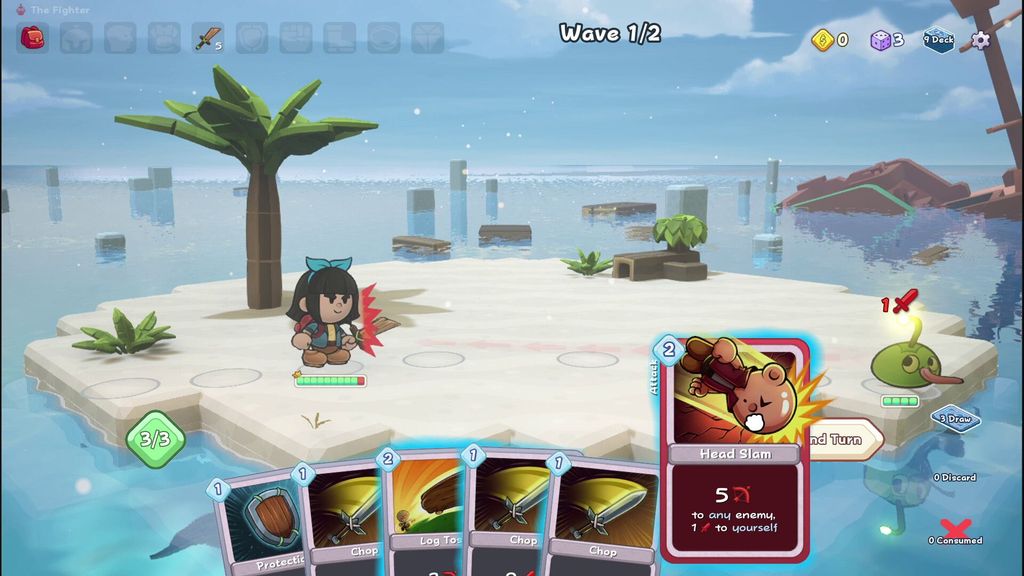
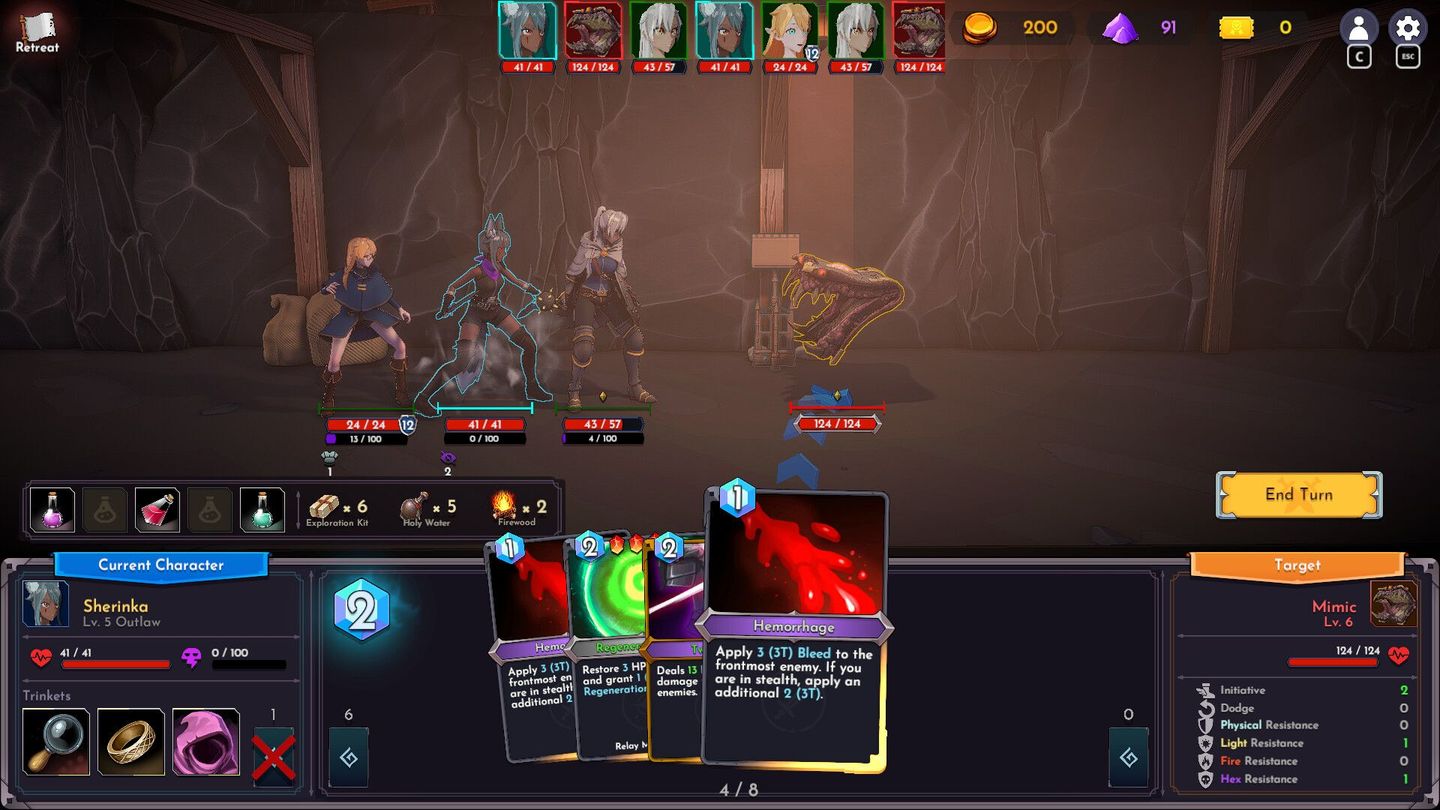
Guild of Three asks a deceptively simple question: what happens if every party member has their own deck, and you must make them think - together? The answer is a tactical deckbuilder that choreographs three hands into one coherent plan, with Relay Cards acting as the glue between characters and frontline placement deciding the fate of your backline.

This is not a solo-card game with a companion on the side. You manage three characters and three decks simultaneously, balancing immediate plays against what you send forward for an ally to use later. It rewards foresight and party-level thinking more than flashy single-card combos.
  Guild of Three screenshot 2  

Weave Three Decks into One Party Strategy

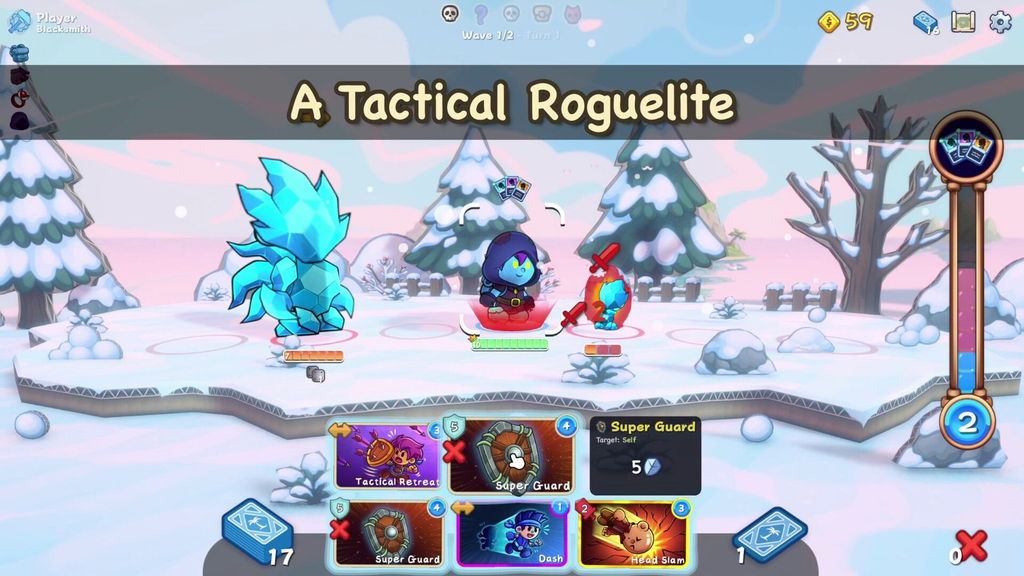
Each character in Guild of Three has their own hand and role, which means you are effectively juggling three mini-decks toward one objective. Relay Cards are the game's signature mechanic. They do not disappear at the end of the turn; instead you pass them to the next character.

That changes how you value cards. Defensive buffs, heals, support options, or expensive plays become strategic resources to forward rather than expend on the spot. Do you use a heal immediately to stabilize the front, or do you relay it to the next character who will spend their turn cleaning up? Timing becomes party-wide rather than individual.

The result is a layered decision space. You plan current turns, but also set up future actions by moving tools between hands. Managing those queues is as important as adapting to the enemy that turn.

  Guild of Three screenshot 3  

Classes and Positioning Change How You Fight

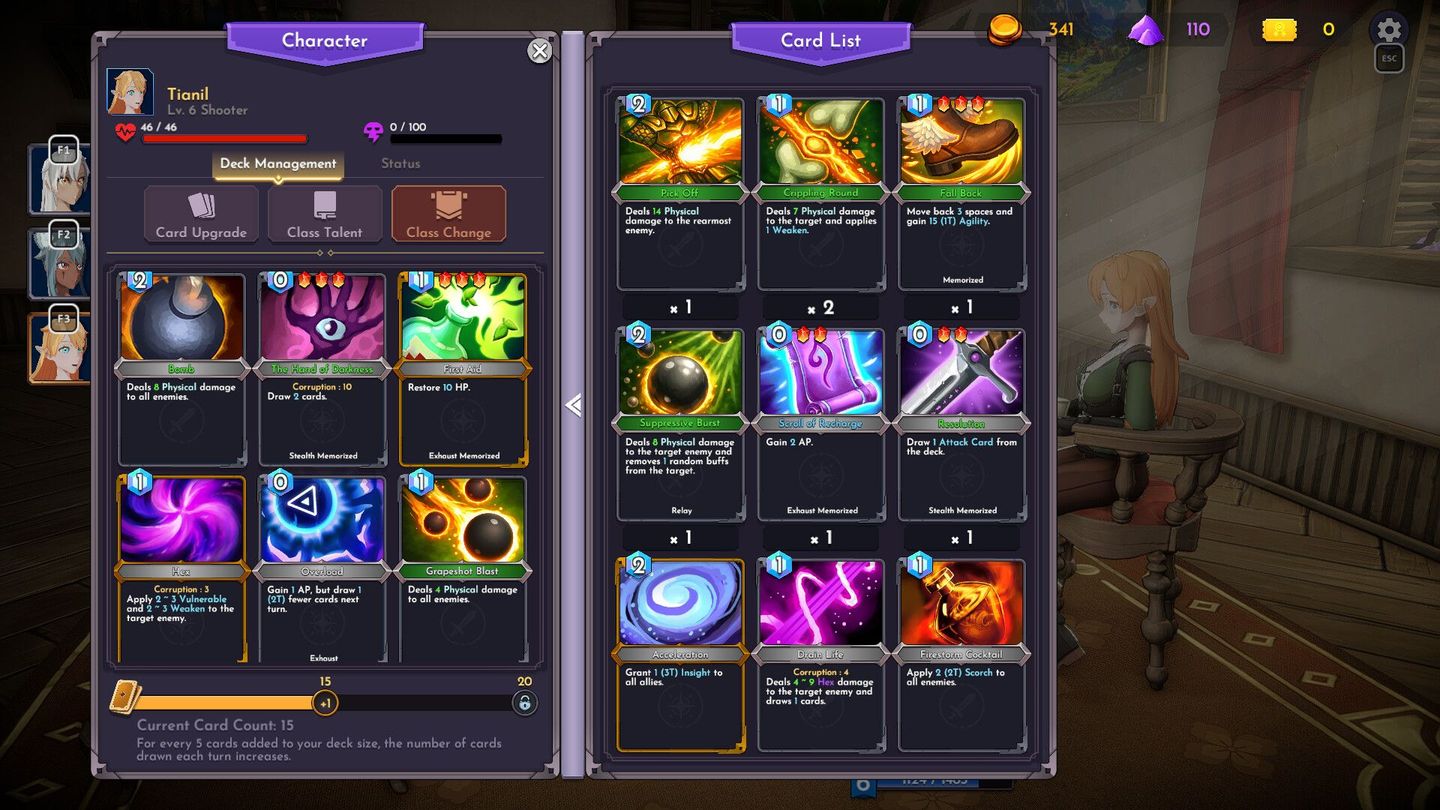
Classes in Guild of Three are flexible. They are not locked to specific characters, and each class brings unique cards, talents, and a combat role. There are five classes total, each with a talent tree and 16 exclusive cards. Neutral cards let you tune or diversify builds further.

Positioning matters. Who stands on the front line determines whether your back line survives and how the party operates in later rounds. A Cleric can be built offensively or as a sustain pillar. A Wizard can end up anchoring the front line in some builds. The same character can therefore play very differently depending on the class you assign and the cards you keep.

That combination of class choice, talent build, and front-back placement gives you a broad tactical palette. Relay Cards let you chain these choices across turns, letting one character set up another for a critical moment.


Progression, Crafting, and the Cost of Power

Between expeditions you return to the guild to reorganize and grow stronger. Card upgrades boost key tools, neutral card crafting expands options, trinkets reinforce strengths, and level-ups plus talent selections further define each class build. This is persistent progression that shapes the strategies you bring to the next run.

Power comes at a price. As characters use dark magic, Corruption accumulates during an expedition. The more you lean on corrupt sources, the more your deck fills with curses, forcing later battles to start at a disadvantage. The system constantly asks whether you want immediate advantage or a cleaner deck for the long haul.

That push-and-pull between short-term gain and expedition-long stability sits at the heart of decision making. It keeps runs tense and meaningful without erasing the value of careful deck management.

  Guild of Three screenshot 4  

A Small Guild, Where Adventure Begins

The narrative frames the mechanics with a straightforward premise: three childhood friends found a small guild and take monster-hunting contracts from dungeon to dungeon. What begins with familiar hunts grows into strange artifacts and larger threats, pulling the trio into a deeper conflict.

Mechanically and thematically, Guild of Three centers on cooperation and planning. Three characters, three decks, Relay Cards, class mixing, and frontline choices make it a deckbuilder for players who enjoy thinking several turns and several hands ahead. It is about building a party identity as much as individual card strength.

If you like tactical games that reward timing, coordination, and a little risk management, Guild of Three looks poised to give deckbuilding a fresh, party-focused twist.


➡️ Check out Guild of Three now on Steam