
Sword Hero - A Brutal, Living RPG Where Your Limbs and Reputation Actually Matter
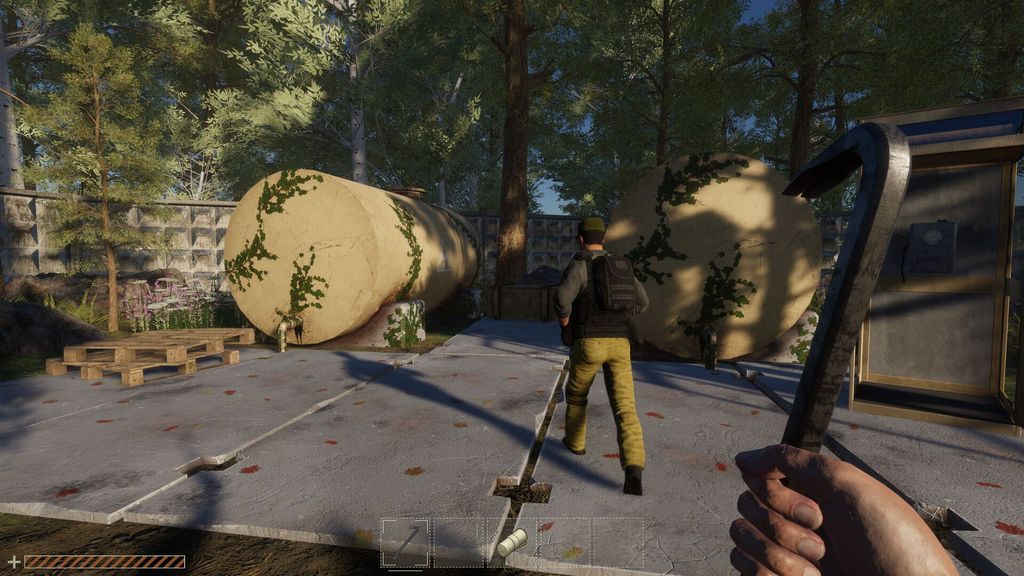
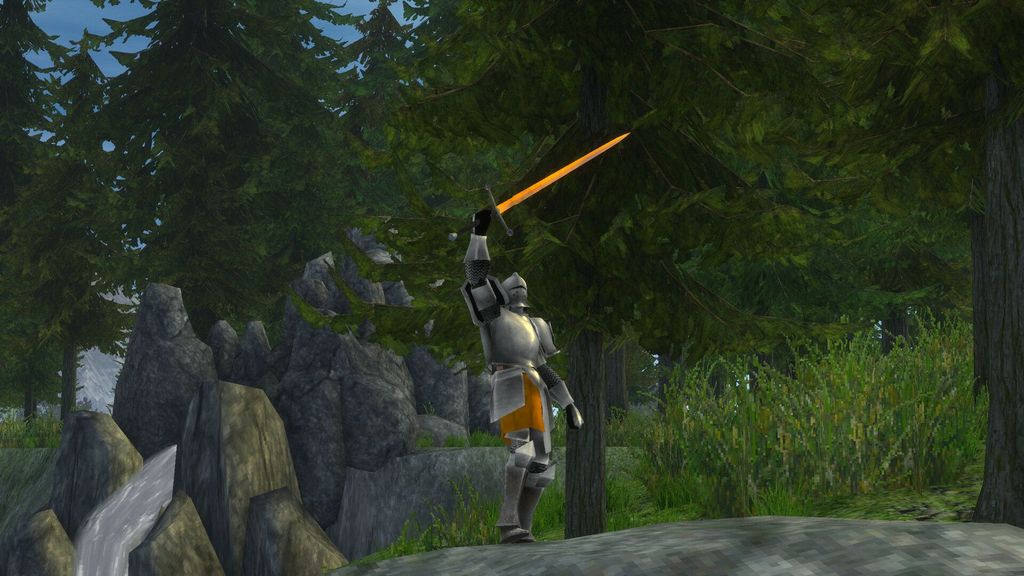
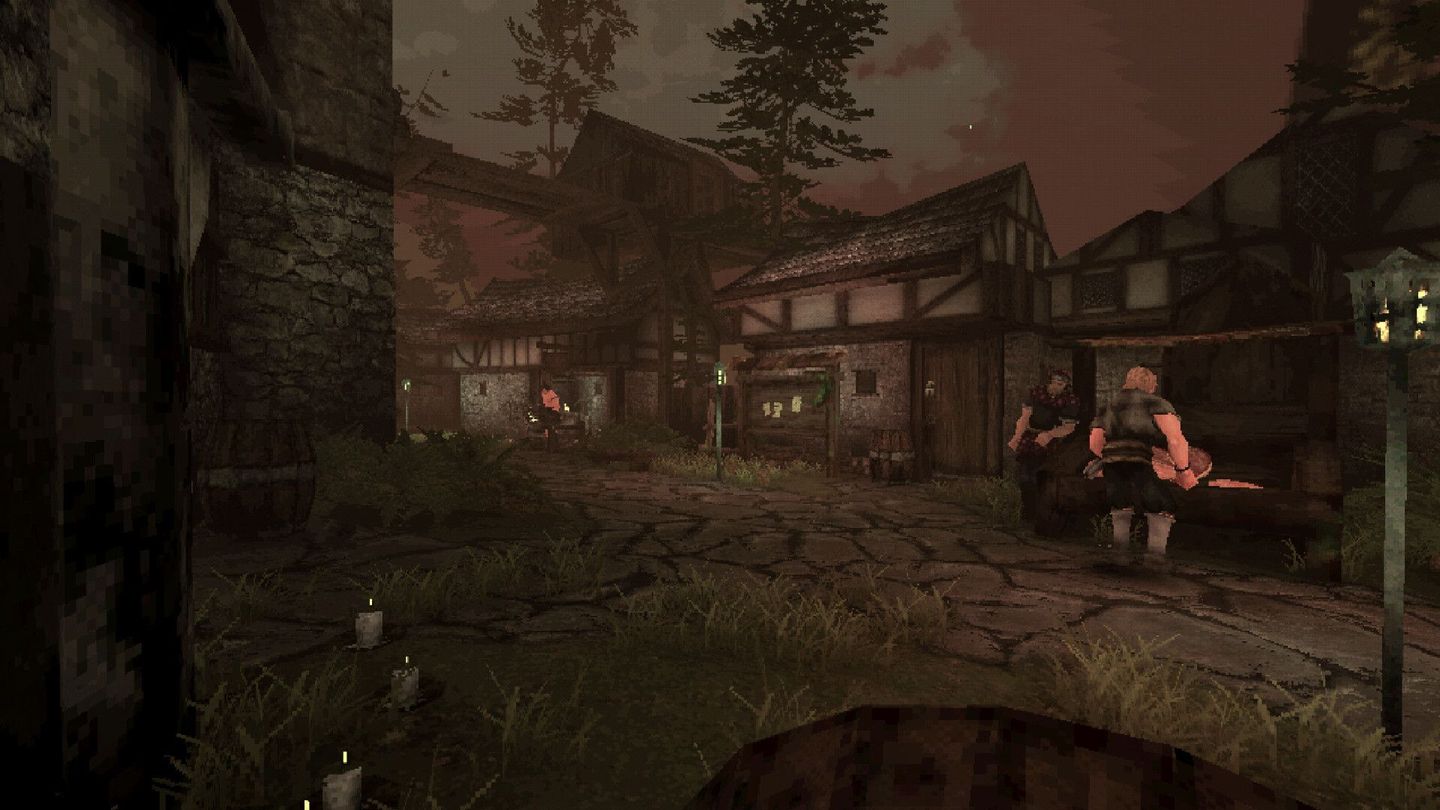
Sword Hero throws you onto the island of Wes and then hands you freedom. No gated tutorial zones, no invisible walls, just an open world that behaves like an ecosystem instead of a corridor. The wilderness is harsh and honest: Greyskin, Giants, Dragons and other monstrosities roam freely in a non-level-scaling way, meaning the wolf that mauls you at the start remains the wolf it is later on. Grow stronger and you will watch those same foes flee at your approach.
The game stacks a surprising number of reactive systems on top of that freedom. NPCs follow daily routines and remember what you did to them, weather and persistent wounds shape encounters, and faction politics will open or close opportunities depending on how you play. You can aim to be a celebrated Hero, a feared Villain or something messier and more interesting in-between.
A World That Keeps Moving
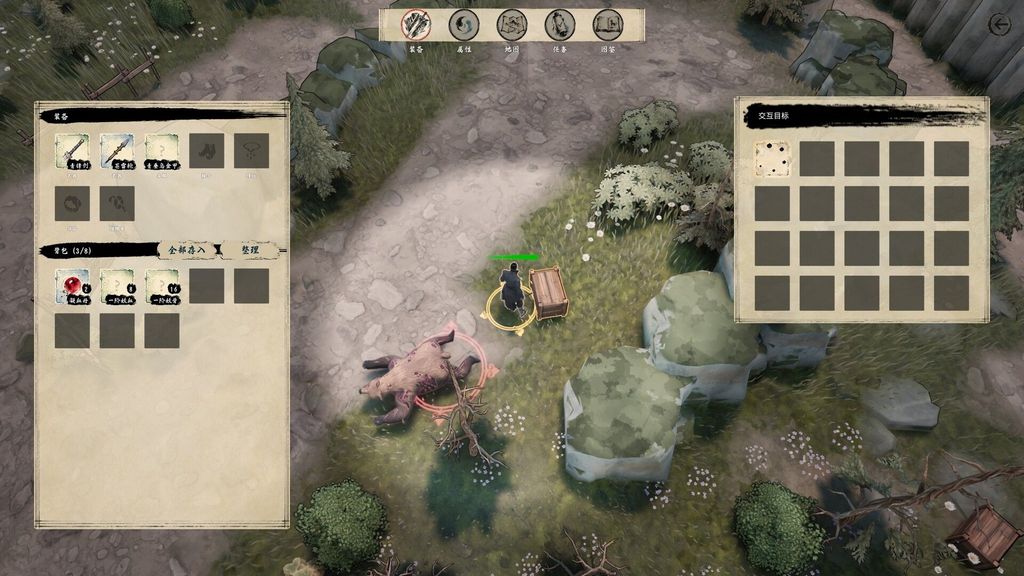
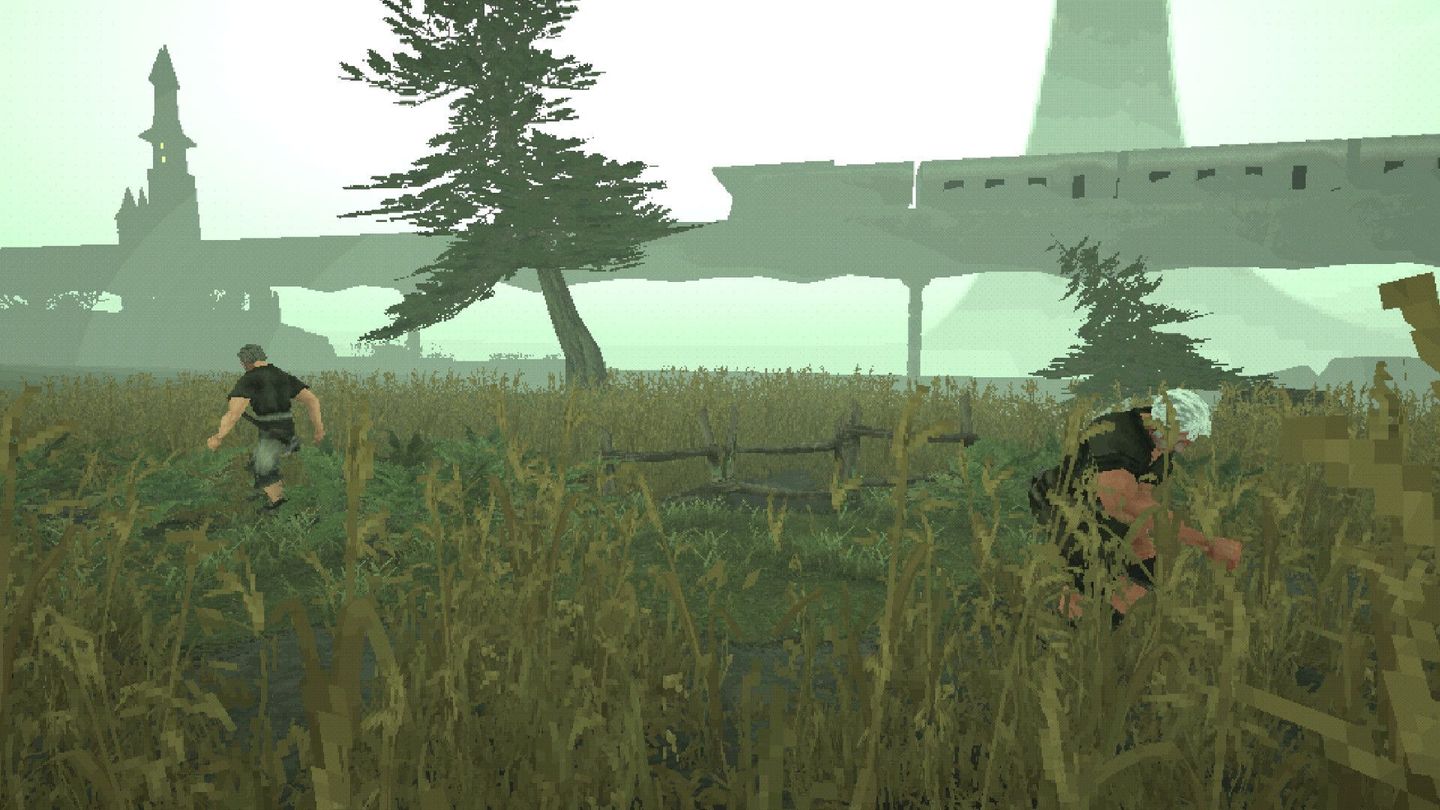
Sword Hero leans into persistence. Corpses do not vanish into thin air; nature does the cleanup. Vegetation burns and stays burned, wounds can fester into infections, and even the landscape reflects ongoing faction skirmishes when you are not there to watch. NPCs live lives with routines and memory systems, which means your actions ripple through relationships and reputations in ways that feel earned.
Housing and commerce are part of that web. Buy businesses and houses, rent them out, or make a base of operations that announces who you are to the island. Factions offer gear and resources as you rise in their ranks, but the game explicitly allows you to ignore faction scripts and carve your own bloody path if that is your taste.
Combat That Actually Feels Physical
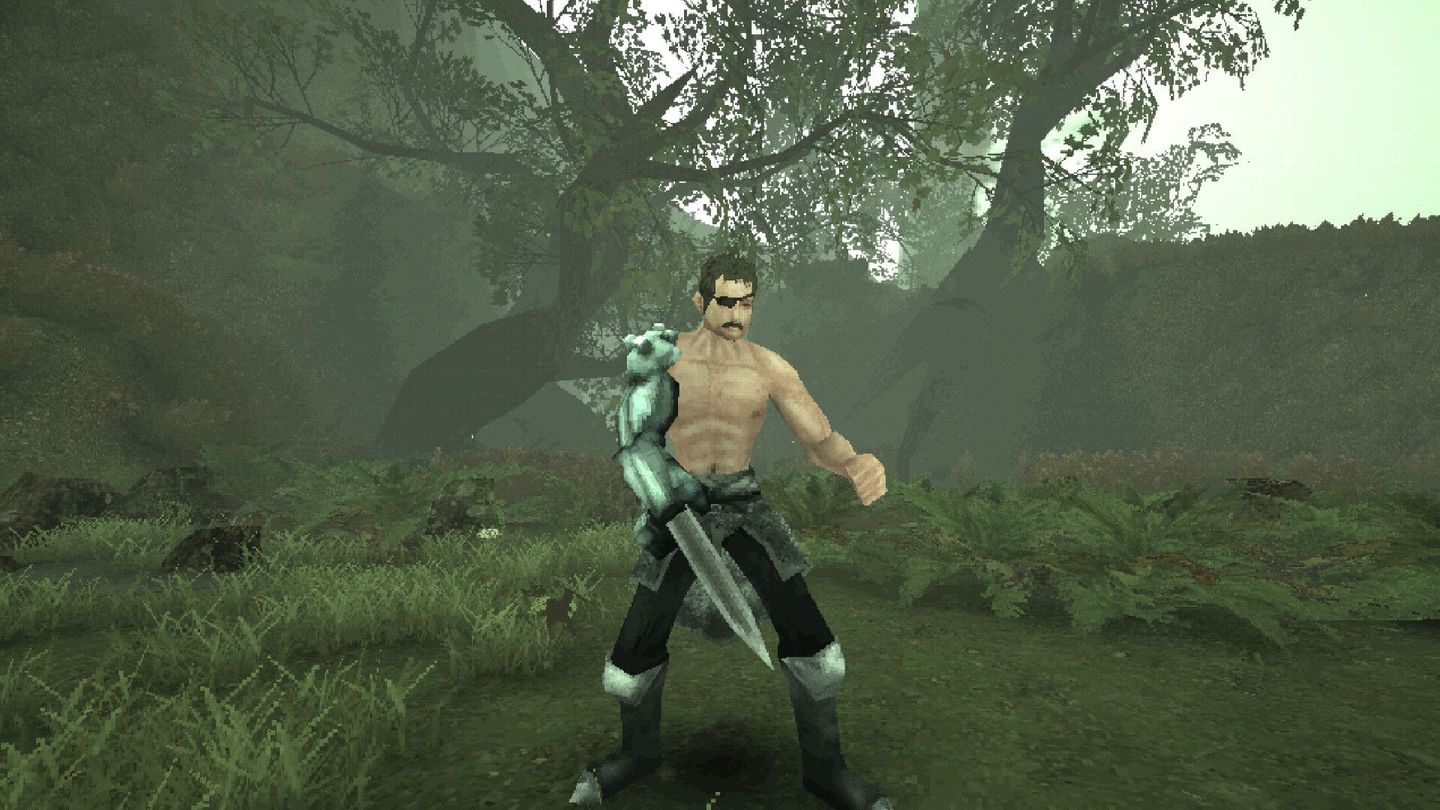
Sword Hero's combat puts limbs and direction at the center. The limb-based directional system lets you target specific body parts to disable, dismember or exploit weaknesses. That means fights can be brutally tactical: slice off an arm to stop a wielder, aim for legs to slow a charge, or pursue a nasty drop of loot that only becomes available when you harvest a specific part.
The game embraces visible progression and consequence. Your character visibly changes as stats grow - you get more muscular with strength increases, accumulate permanent scars, and can replace lost limbs with prosthetics. There are magical tattoos and gear tied to faction status as well. Persistent wounds, decapitation and infections are part of how combat carries weight, and colossal creatures promise memorable set-piece battles.
Systems That Reward Long-Term Play
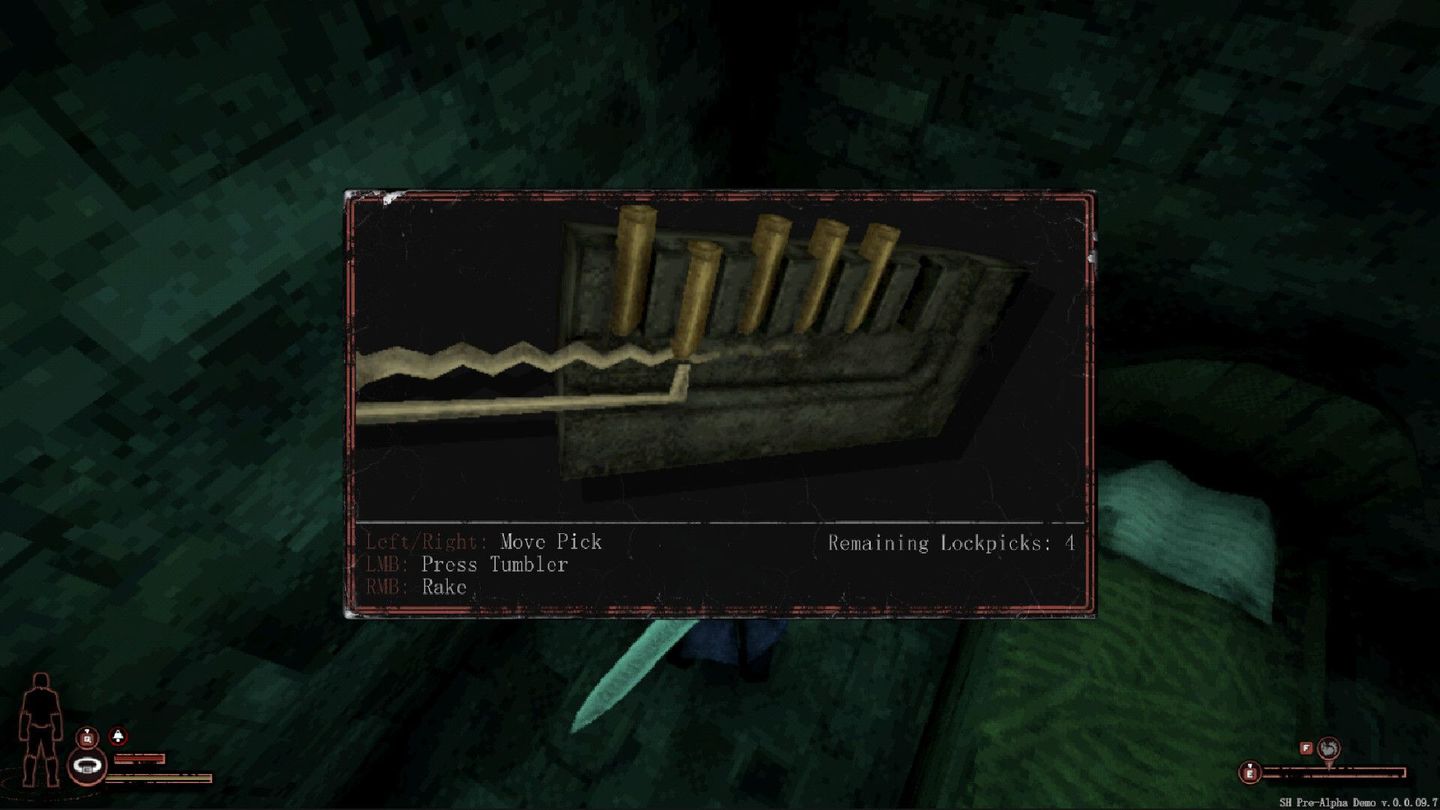
Non-level scaling keeps the island coherent: enemies remain organic parts of the ecosystem rather than becoming meaningless stat sponges. Crime and reputation systems track how towns and factions react to you, and weather types and day-night cycles add variety to when and how you approach problems. The world continues to simulate itself, so choices matter even when you are off exploring.
Sword Hero's story spans six chapters with heavy branching choices, offering narrative structure without handcuffing your freedom. Whether you want to climb faction ranks for gear and influence, run a tavern and collect rent, or simply become a walking calamity that reshapes Wes, the systems are arranged to support that playstyle.
What to Expect
If you like living, reactive worlds and combat that emphasizes hit location and consequence, Sword Hero stacks a lot of ideas that should click. It wears its Gothic inspiration on its sleeve with a commitment to player freedom and an ecosystem that can bite back. With housing, faction play, persistent world effects, and a visible, physical progression system, it aims to be the kind of RPG where your choices, scars and stolen items follow you - literally and narratively.