
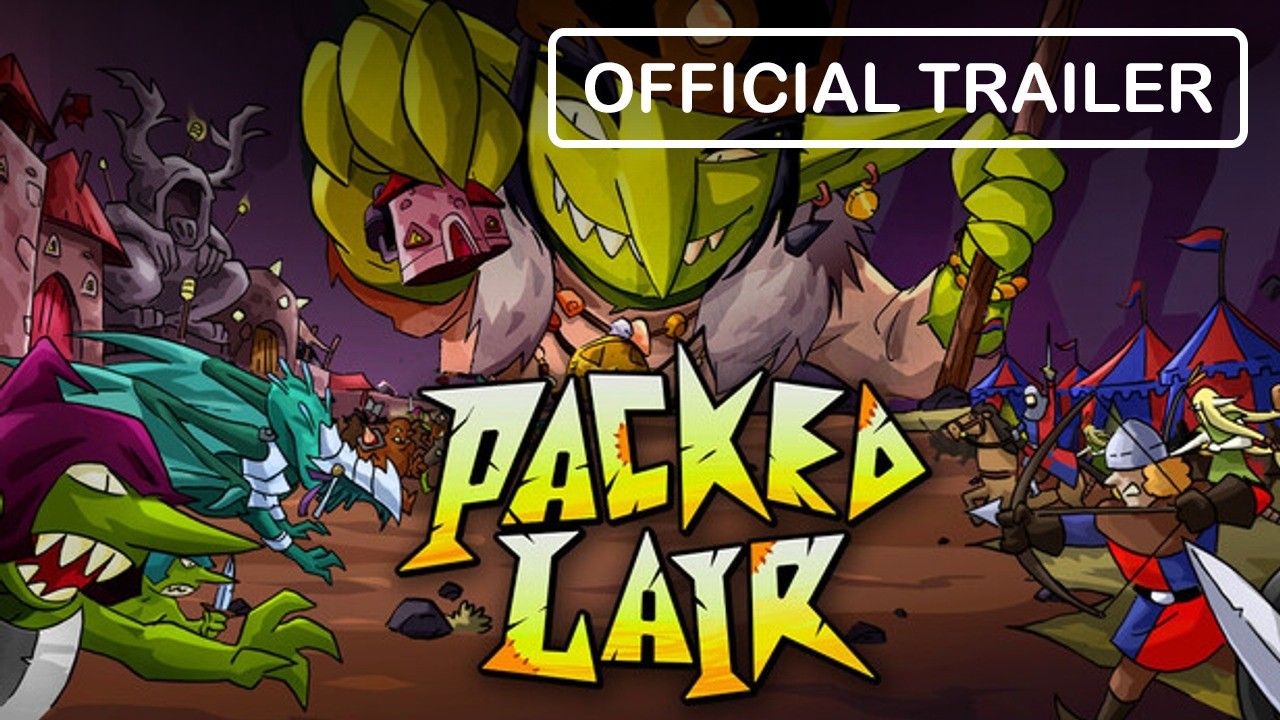
Packed Lair Wants Your Floor Space
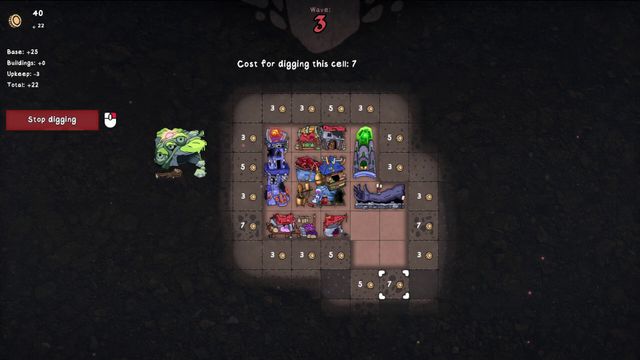
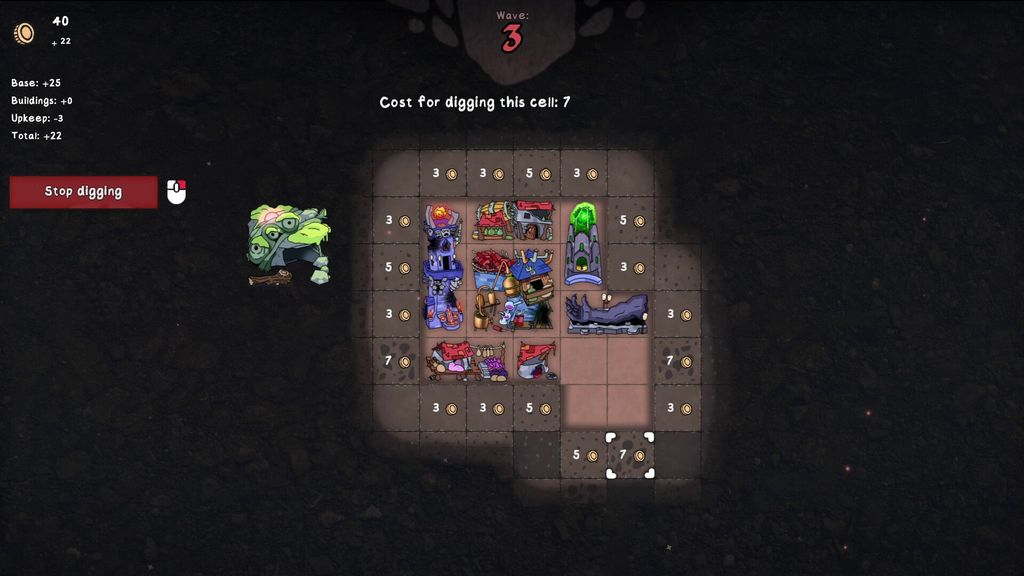
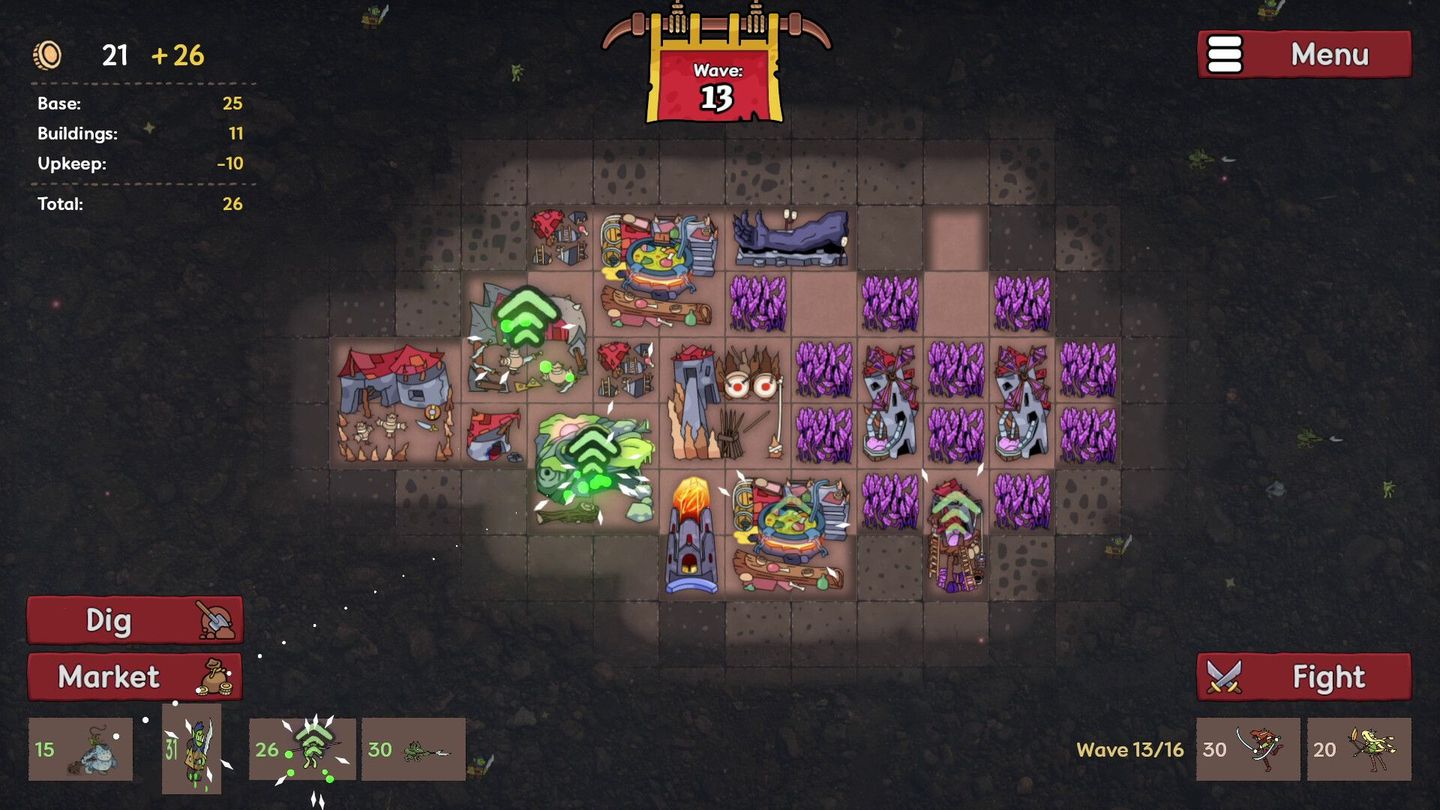
Heroes. Always breaking things and claiming they are "saving the realm." Packed Lair hands you the opposite of a banquet hall: a cramped underground lair where every tile matters. You play an evil lord with a tiny footprint and big ambitions. Draft new buildings, rotate them into place, and squeeze every last ounce of efficiency out of your cramped rooms to power a relentless army of monsters.
This is a game about spatial decisions as much as combat. Buildings make minions, mint gold, buff your troops, or unlock new layers of scaling. Fit them together just right and the room hums like a well-oiled infernal factory. Fit them wrong and your goblins will be underpowered, your coffers empty, and those heroic pests will be back for the clean-up.
How Packed Lair Plays
Packed Lair blends inventory-style packing with base building and roguelike progression. Each run you draft a handful of buildings. Every building has a footprint you can rotate and a role in your economy or army. The core loop goes like this: place buildings, hunt synergies with spatial adjacency, earn gold between fights, expand the lair when you can, then send your minions out to fight waves of heroes.
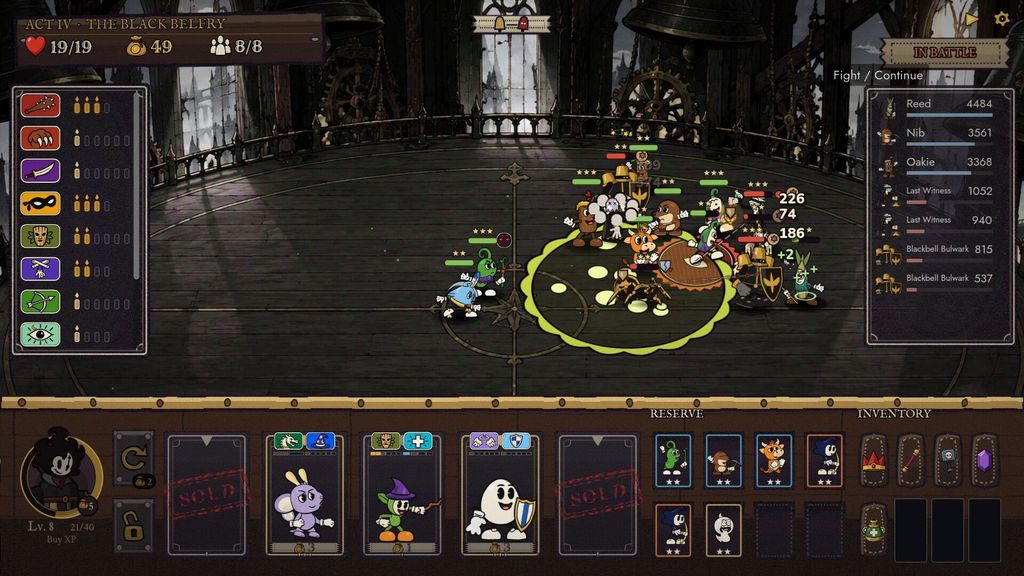
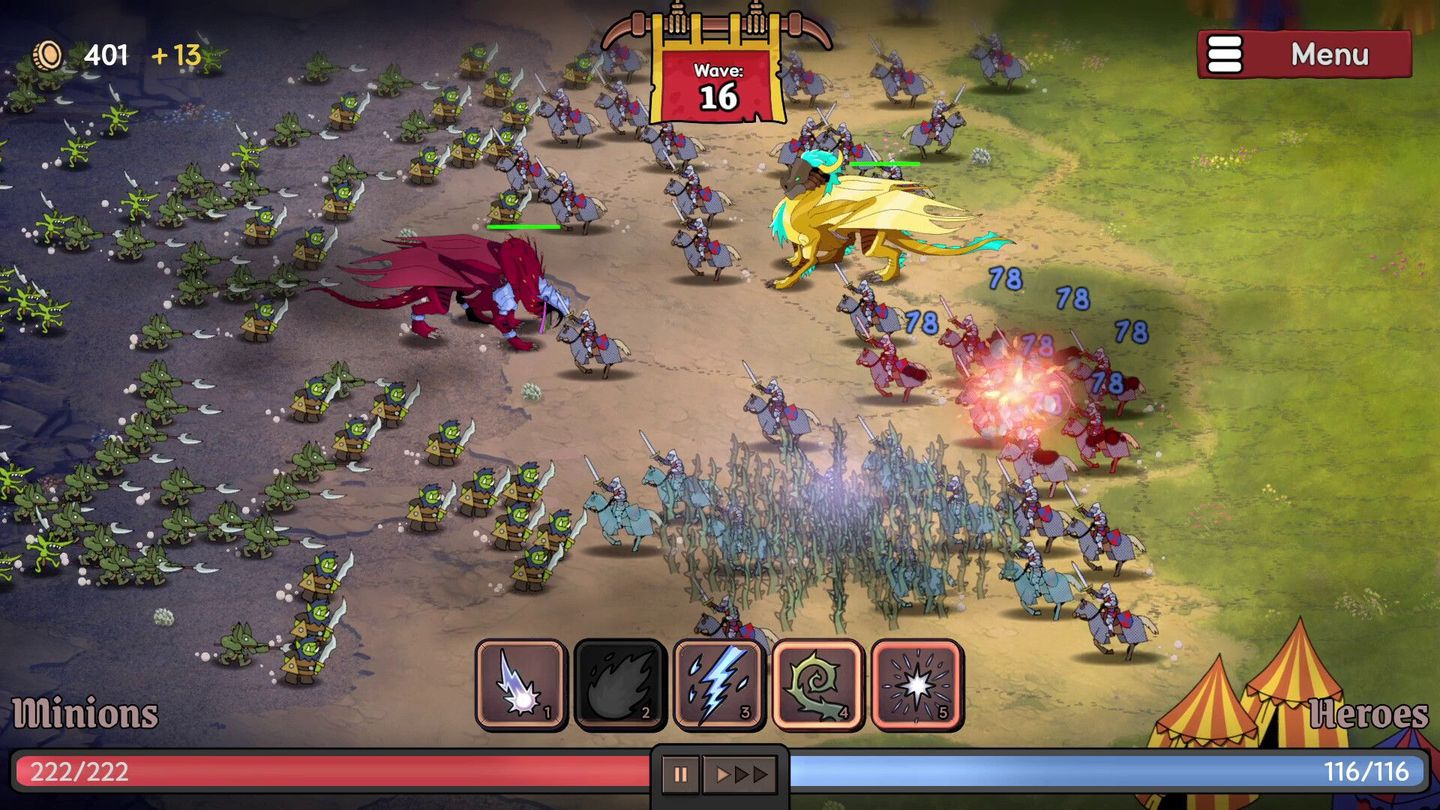
Combat is largely automated. Your monsters charge, clash, and die or prevail on their own, but you are not helpless. Cast spells mid-battle to tip the scales, disrupt enemy formations, or save a doomed flank. Between fights you upgrade the lair, unlock new building types, and chase layout combos that make future runs more explosive.
The roguelike element keeps runs tight and replayable. Each run offers a new set of buildings and opportunities to discover surprising combos. The challenge is packing smarter than the game intends.
Layout Is Your Primary Weapon
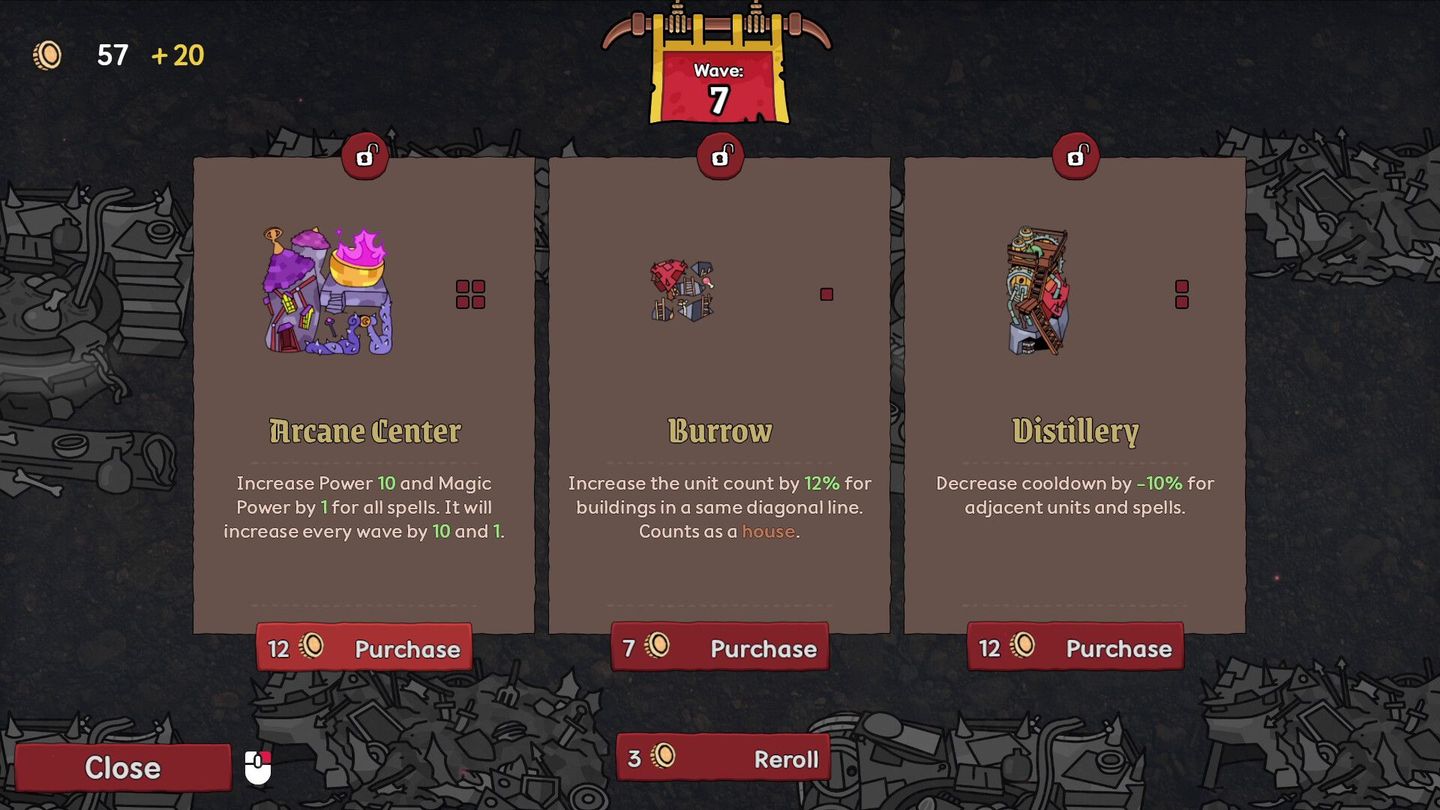
Where you put a workshop matters as much as which creature it produces. Packed Lair turns adjacency and rotation into strategic tools. Some buildings synergize when connected. Some unlock chains of production or buff nearby units. Rotating a single tile can create a cascade of effects that turns a mediocre roster into a terrifying front line.
The game rewards experimentation. Part spatial puzzle, part engine builder, packed placement creates emergent strategies. You might find a perfect combo that funnels gold into relentless unit production, or a defensive arrangement that births tanky abominations. Either way, thinking in two dimensions is the fastest path to villainous success.
Combat and Chaotic Army Management
When your lair is ready, your minions do what minions do best: they go straight into the problem. Expect goblins, shamans, lizardfolk, dragons, and other questionable hires to mix it up against increasingly determined heroes. Battles play out automatically so you can focus on strategy rather than micromanagement.
Spells give you agency during fights. Cast offensives to speed up a slaughter, use control to break enemy formations, or drop defensive magic when things get messy. The combination of pre-battle layout crafting and in-battle spellcasting makes for fast, tactical sessions that reward planning and quick thinking.
Why Packed Lair Works
Packed Lair succeeds by leaning into a simple but satisfying promise: make more out of less. The joy comes from solving the packing puzzle under pressure and watching your cramped, chaotic lair transform into an efficient monster factory. Each run teases a new layout discovery and another chance to exploit a combo you missed the last time.
If you like concise roguelike runs, spatial puzzles with meaningful payoff, and the idea of designing the perfect tiny hell for would-be heroes, Packed Lair offers a focused, replayable twist on base-building and auto-battlers. The lair may be small, but the potential for glorious mayhem is massive.