
Don't Starve Elsewhere Sends You Into a Stranger, Meaner Wild
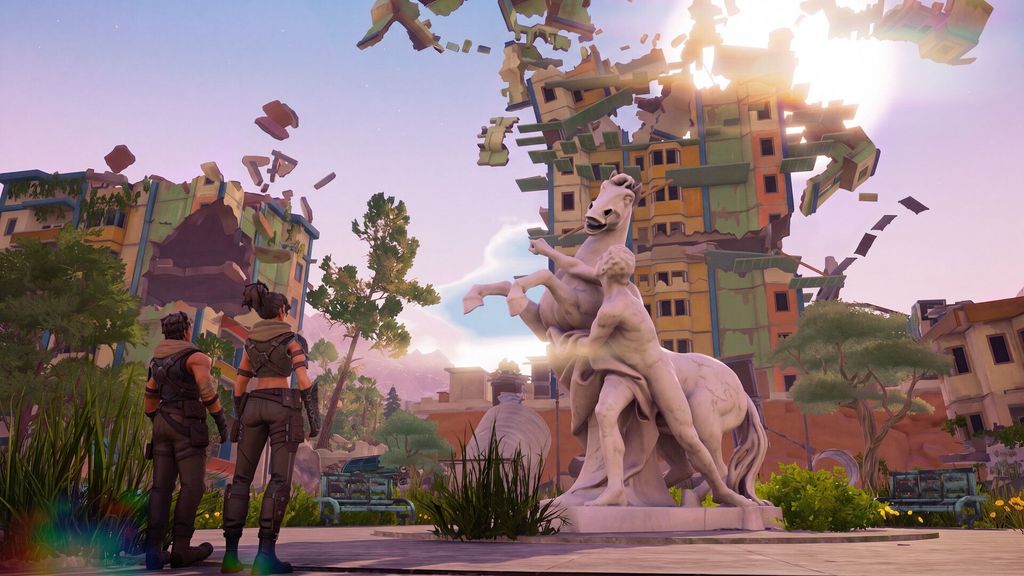
Don't Starve is back, and this time the wilderness feels taller, wetter and more dangerous. Don't Starve Elsewhere keeps the series' survival DNA intact while expanding exploration into vertical and aquatic spaces, deeper caves and distinct, climate-driven biomes. The core remains simple and brutal: scrounge, craft, build and survive. Just remember the mantra the franchise has always screamed at you - don't fall, don't linger in the Fog, and above all else, Don't Starve.
The game leans into choice. You can try to brave the map solo, or gather friends and split the workload - farming, base-building and resource runs all matter. Every new run is shaped by a procedurally generated world, so the route you take and the threats you face will differ each time.
A Brutal, Layered Wilderness
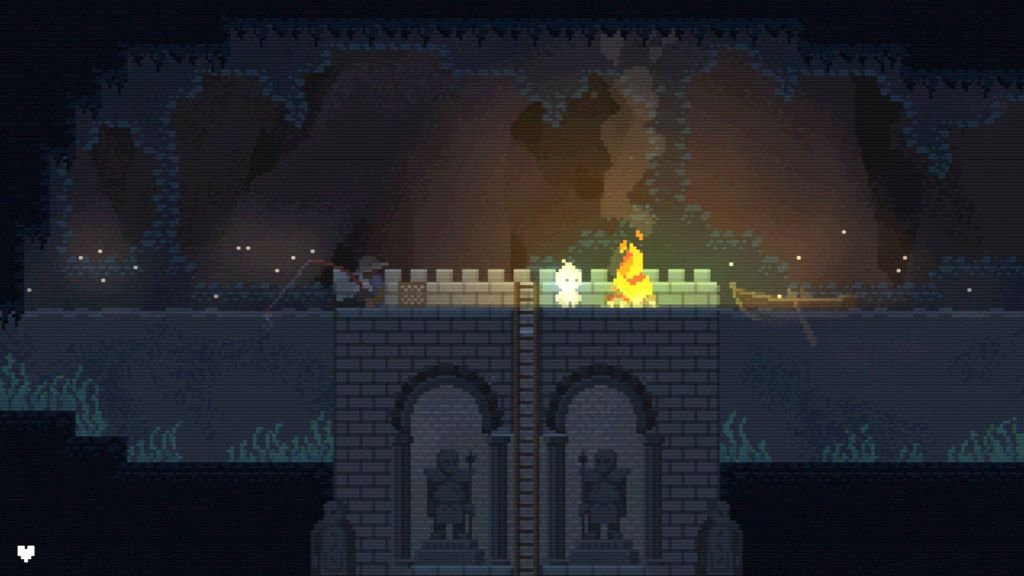
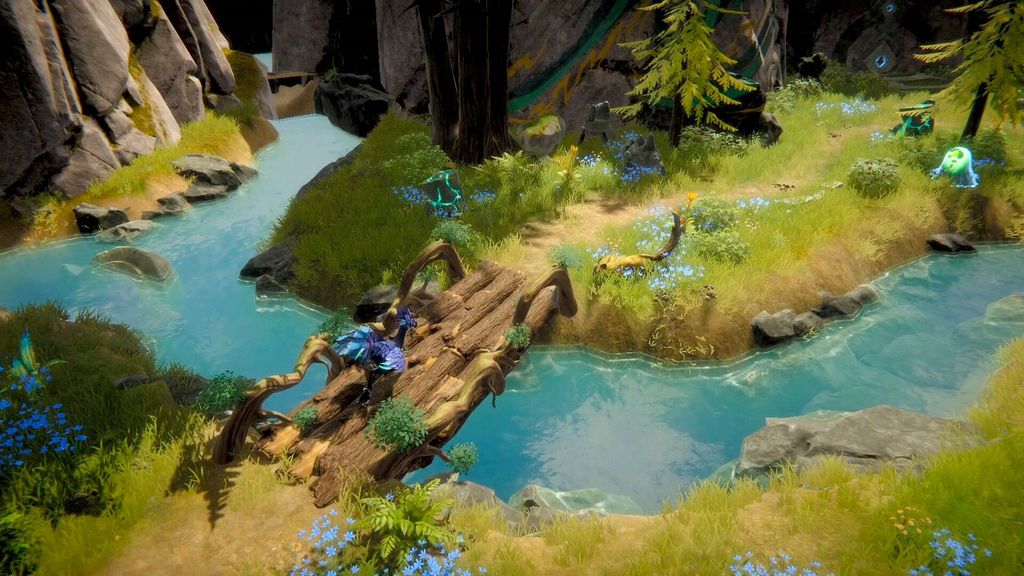
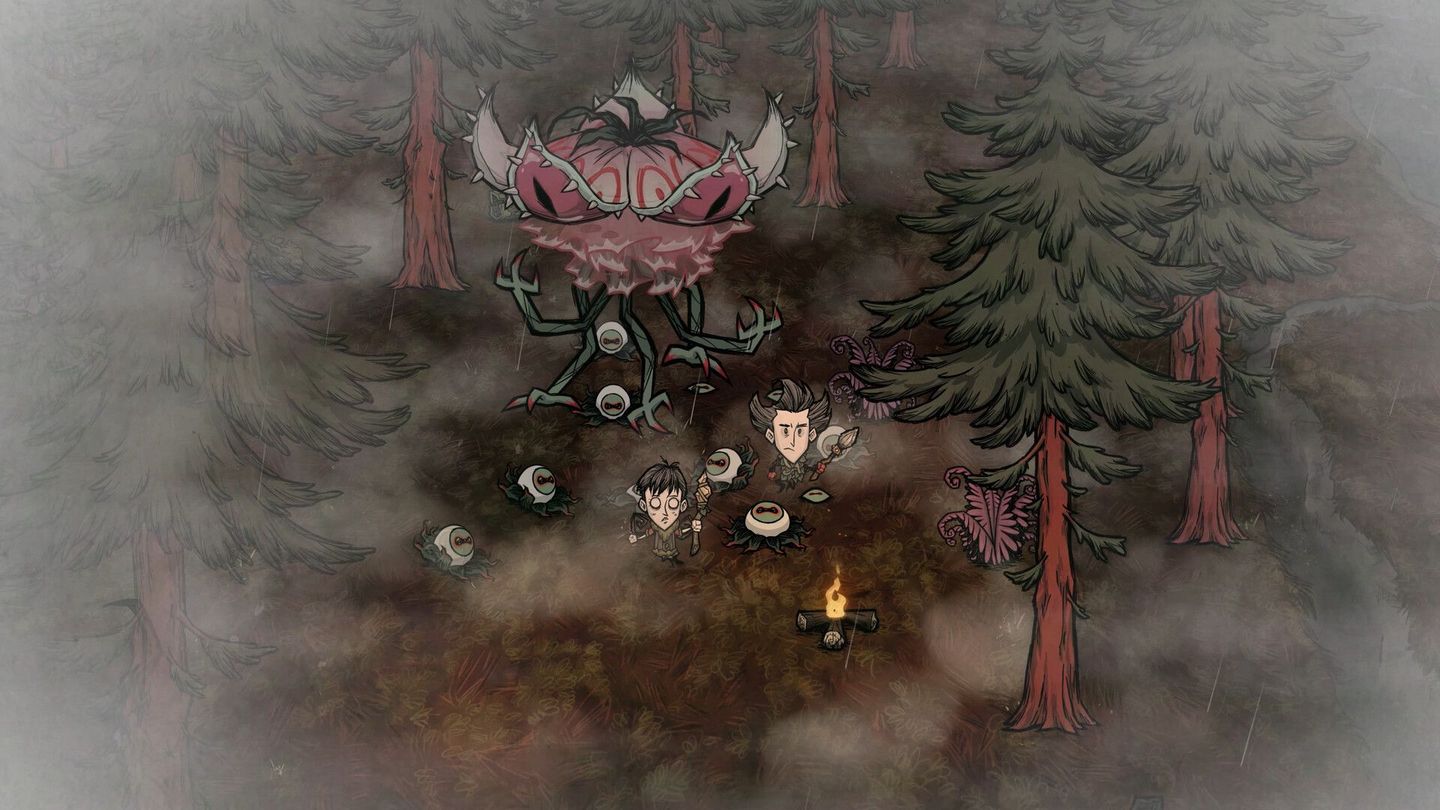
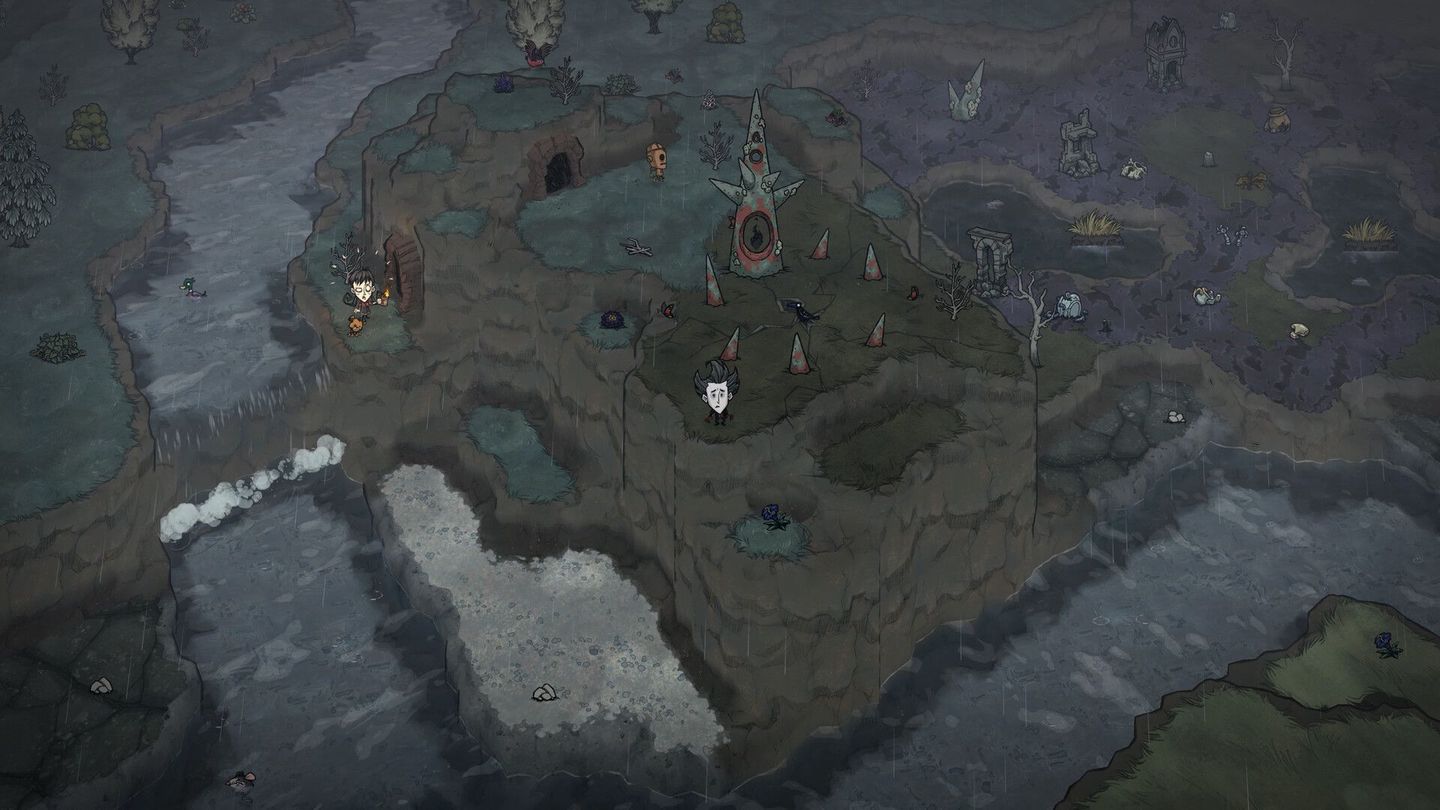
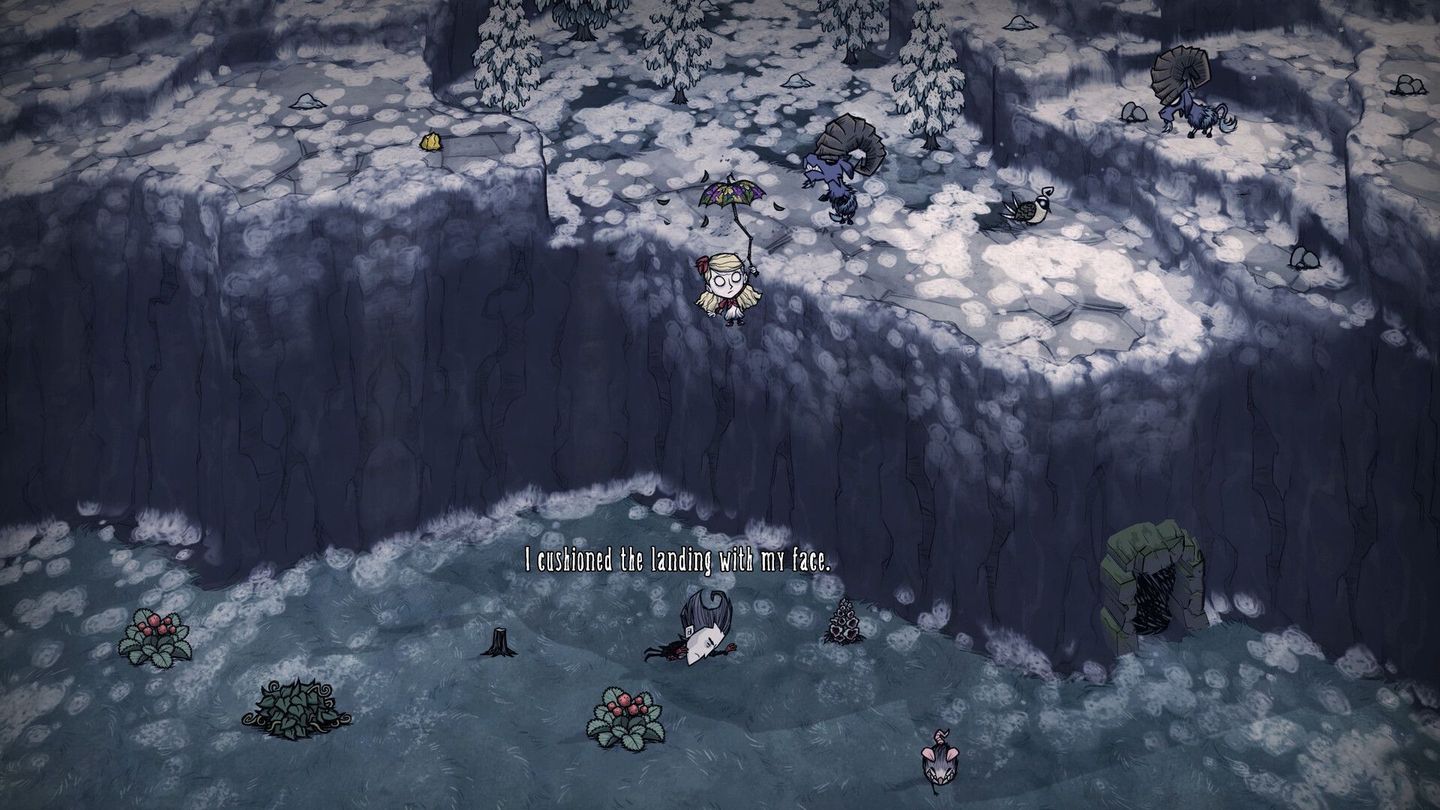
Elsewhere introduces multi-tiered terrain that alters how you approach survival. Climb snow-covered mountains with thin air and biting cold, swim across rivers and tempestuous seas, and descend into winding cave systems that hide both riches and peril. Verticality changes risk calculations - a simple fall can undo hours of preparation, and crossing water presents a different set of threats than land travel.
The procedural generation promises variety. That means the placement of resources, the layout of biomes and the dangers you face will shift from one playthrough to the next. In practice this should keep exploration feeling fresh, forcing you to adapt rather than rely on memorized routes.
Climes and Punishment
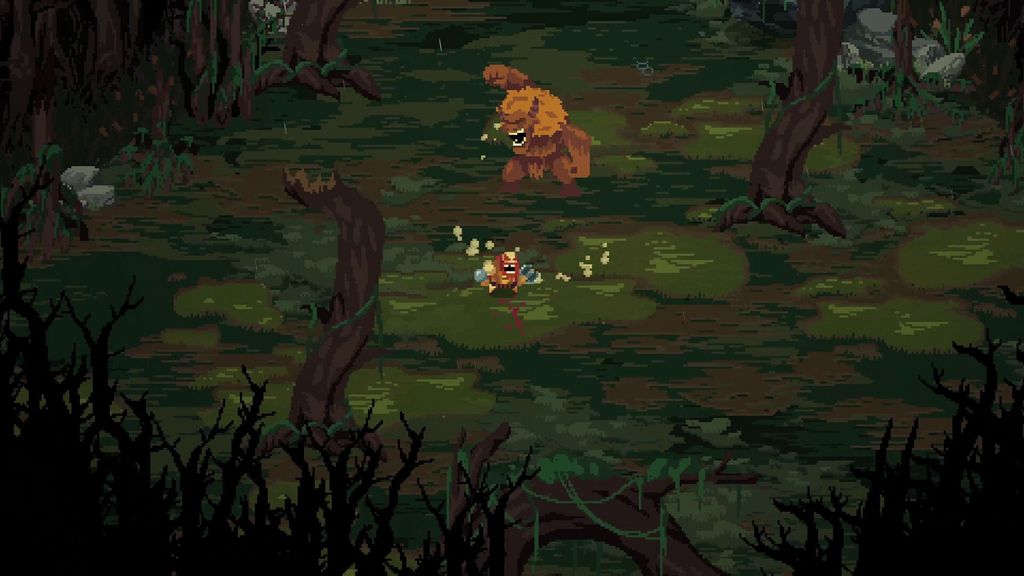
Biomes in Elsewhere come with their own climates and consequences. Expect relentless rain in redwood forests, freezing conditions at high altitude and ecosystem-specific predators that defend territory aggressively. Weather is not decoration - it affects how you prepare, what you bring and when you travel.
That climate diversity ups the planning game. You may need to swap equipment, change your farming plans or delay an expedition because a storm makes a region untenable. These are the kinds of small-but-brutal survival pressures the series does well: they make every decision matter.
The Fog and Its Temptations
A spreading Fog creeps across the landscape, corrupting what it touches and offering both risk and reward. The designers present the Fog as a tempting mystery - it hides secrets worth risking your sanity for, but lingering inside it is plainly dangerous. Do you run from the Fog or pull on its threads to learn what lies within?
That push-pull is central to Elsewhere's tension. Exploration yields vital resources and story hooks, but the Fog changes the calculus of every excursion. It's a good fit for a game that has always balanced curiosity with self-preservation.
Play Solo or Bring Friends
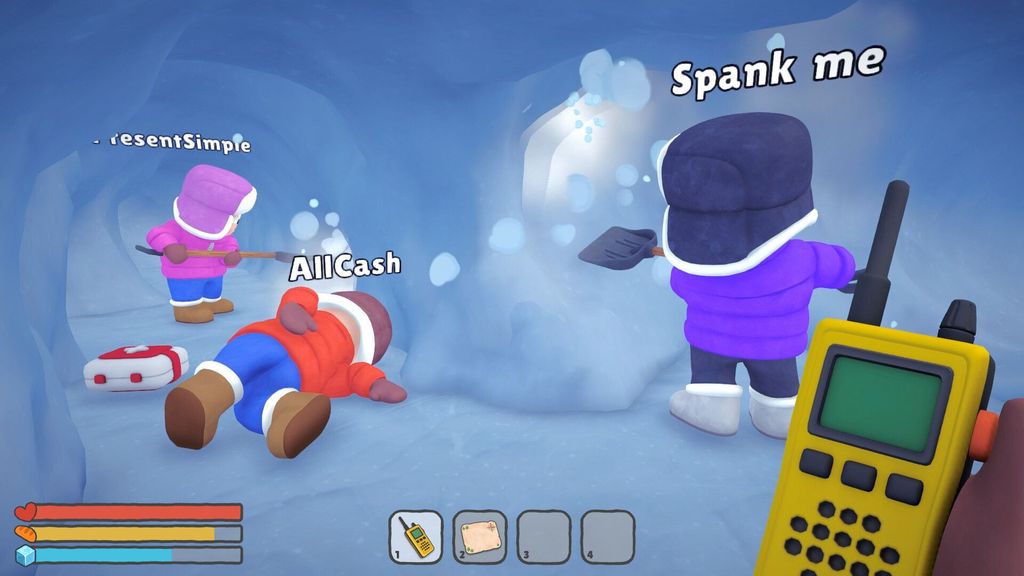
Don't Starve Elsewhere keeps multiplayer on the table while respecting solitary runs. Teaming up can ease the burden of survival - someone can manage farming while another scouts - but coordination matters because threats scale with ambition. Playing alone promises the classic, unforgiving feel the series is known for.
What stands out is how these systems interact. Vertical terrain, distinct climates and an encroaching Fog combine to create situations where a clever camp or well-timed retreat means the difference between progress and starting over. For fans of methodical resource management mixed with tense exploration, Elsewhere looks built to deliver that familiar, uncompromising loop in a broader, stranger world.