

HOARDER: Clean. Possess. Control.
You are hired to declutter a house abandoned by a hoarder. At first it plays like a familiar job sim: checklists, quest markers and clear goals lead you room to room removing the obvious clutter. Then you find the basement. The geometry goes wrong, the rules loosen, and the tidy task becomes a descent into something that looks like a house grown around an ocean trench.
Hoarder leans on a simple thesis: to hoard is to possess, to possess is to control. How much control do you have over what the house reveals, and what it reveals about you? The game promises an experience that slides from mundane chores into low, sustained dread while keeping your hands busy and your curiosity weaponized.
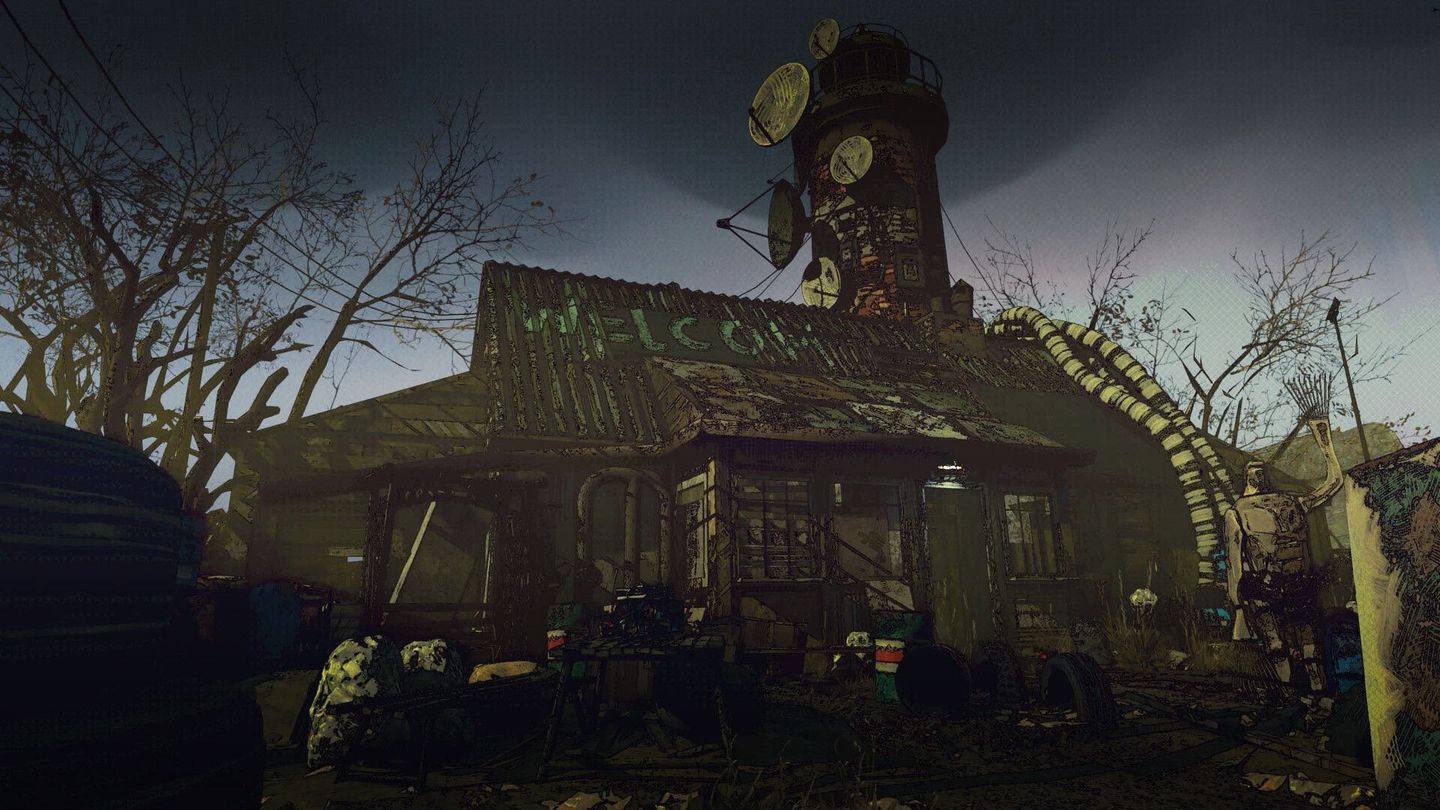
From Chores to Cosmic Horror
The opening acts are deliberately helpful. The game sets you up with the comforts of modern design - clear objectives, UI hints and an approachable loop that teaches you how to interact. That makes the transition more effective when those supports begin to peel away. As you push deeper into the house you are no longer guided with breadcrumbs. The checklist disappears and the environment starts to do its own storytelling.
A basement that defies geometry becomes the hinge point. It is not simply unfamiliar architecture; it is the moment where the simulator stops being a job and starts being exploration with stakes. No one is coming to rescue you, and the safer expectations you built in the daylight miles away from the abyss stop applying.
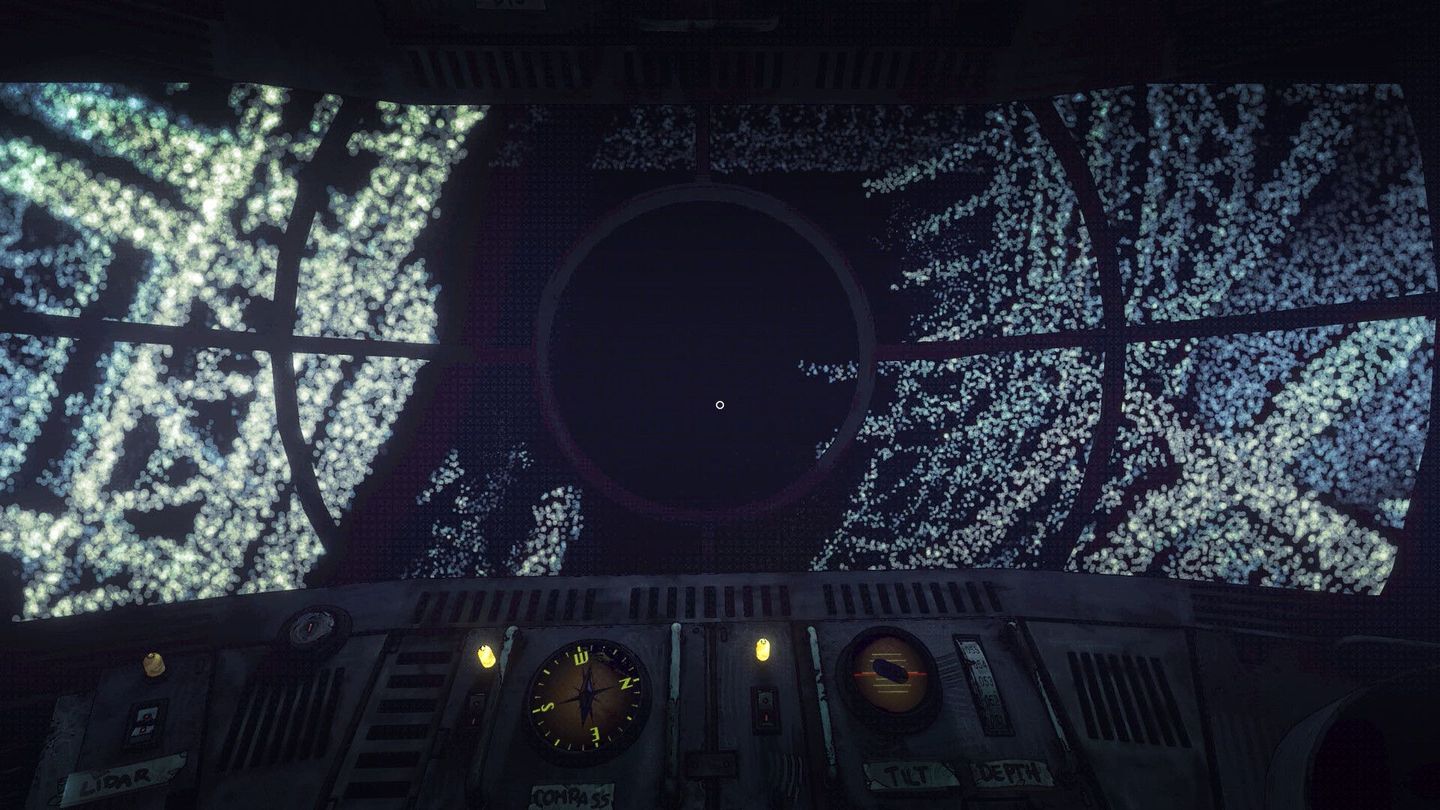
The Abyss Is Calling
Daytime play centers on a very different kind of mechanic. Pilot a small submarine and navigate a dark seabed where light cannot meaningfully pass. You will use a variety of navigational tools to explore an area that resists familiar mapping. What you recover returns to your base and becomes part of a decision loop: what do you keep, what do you discard, and what should perhaps never be found in the first place.
That loop - salvage, return, sort - ties the claustrophobic feel of underwater navigation back into the house-clearing scaffolding. It gives weight to choices and turns objects into potential narrative keys, not just inventory clutter.
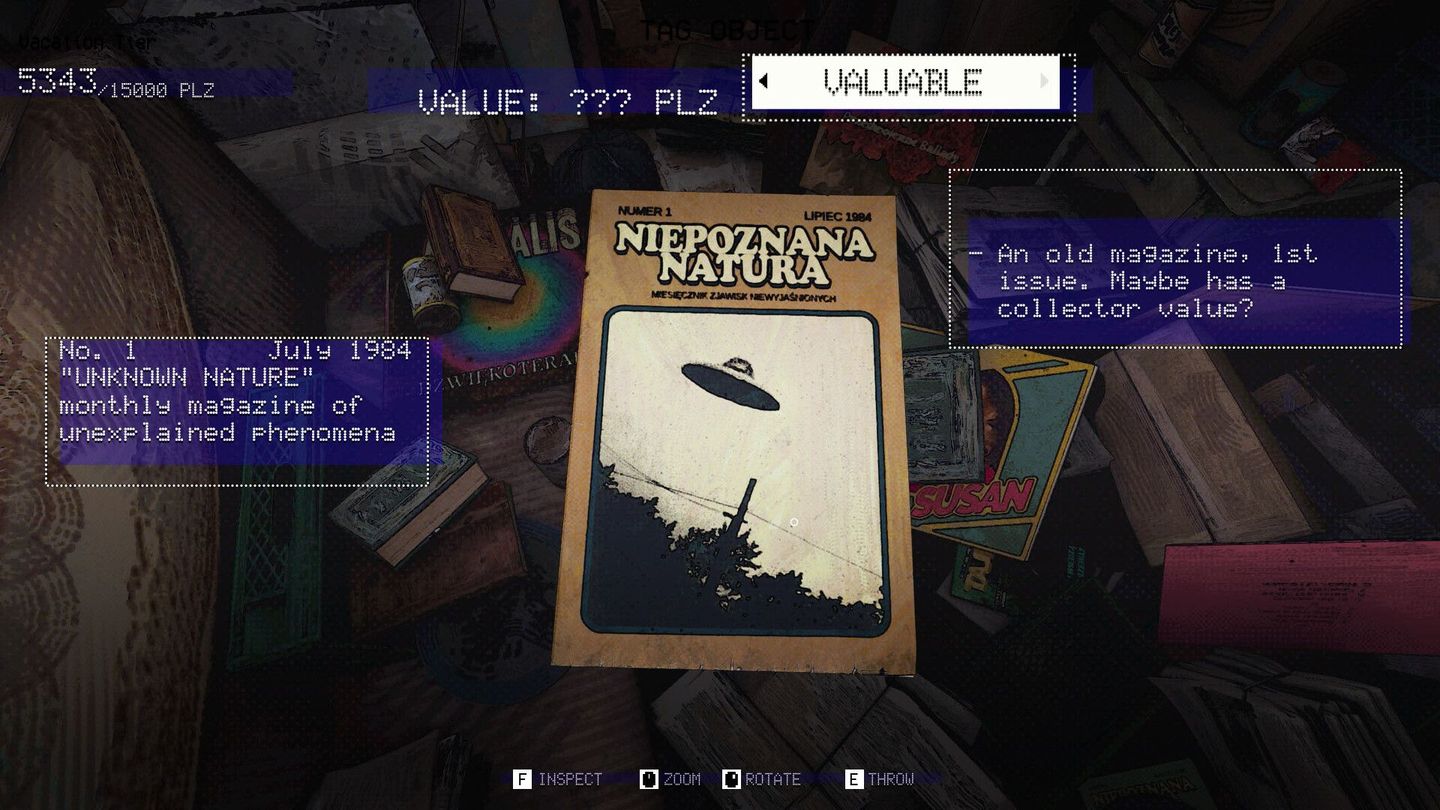
Weaponized Curiosity and a Tactile World
Curiosity is the engine of Hoarder, but the game treats it like a double edged sword. It expects you to piece the story together from objects, arrangements and half-glimpsed spaces. The developers refuse to hold your hand, so paying attention and experimenting are rewarded - and sometimes punished. The game will subvert expectations, which makes every new find both thrilling and unnerving.
Interaction is intentionally tactile. Everything not bolted down behaves according to physics. Pick things up, throw them, examine them closely, combine them. That hands-on approach turns otherwise mundane items into tools for discovery, obstacles or possible narrative triggers. The world feels deliberate because it is built to respond to your curiosity rather than to spoonfeed answers.
A House That Keeps Its Secrets
Hoarder blends familiar genre beats into something that feels deliberately off-kilter. Its day-night rhythm - salvage by day, sift through meaning by night - sets a steady pace that gradually unravels into something stranger. Expect an experience where the act of keeping becomes a moral and practical choice, and where the act of possessing starts to feel like losing control.