
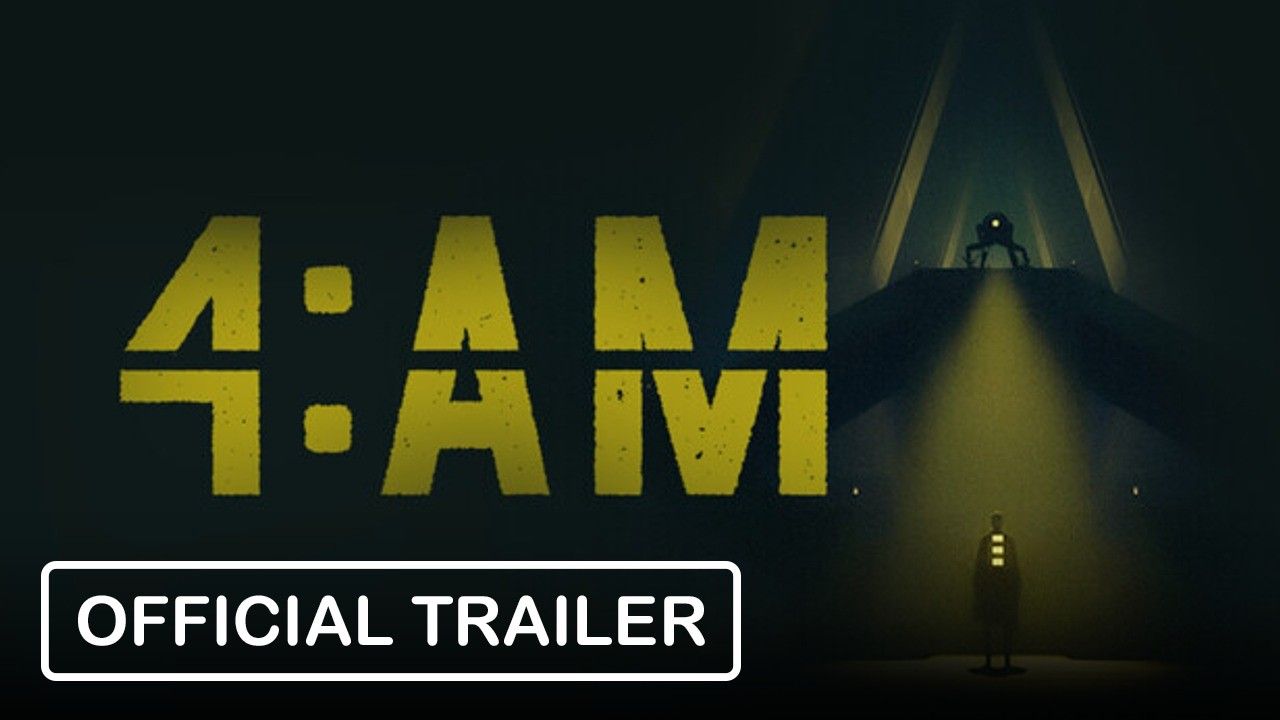
4:AM - Hide. Solve. Run. Survive.
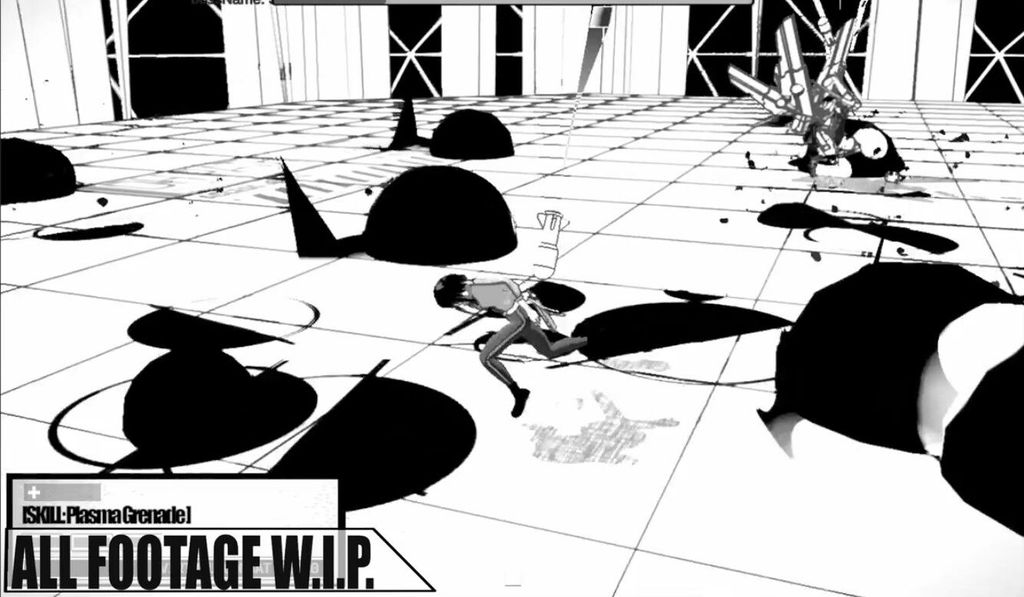
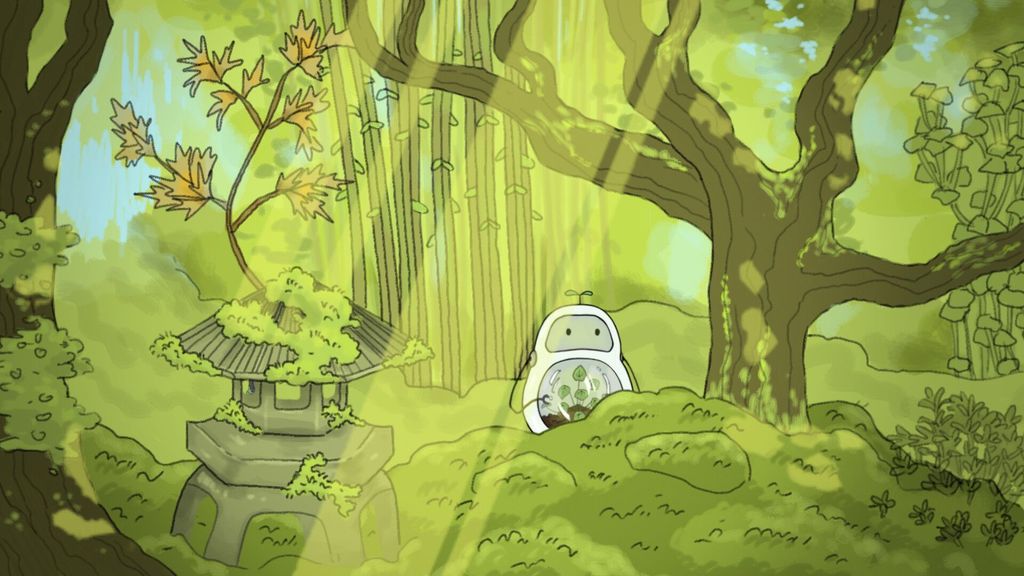
At 4:AM the world no longer plays by ordinary rules. Aila wakes in a ruined city consumed by something called the Yellow, and with light itself now a hazard survival demands more than speed or strength - it demands wit. 4:AM frames that struggle as a cinematic, side-scrolling stealth adventure where observation and creativity are your most reliable tools.
The hook is simple and satisfying. Instead of hunting fixed puzzles or following pre-scripted solutions you copy objects from the environment and repurpose them. A chair becomes cover, a broken sign becomes a distraction, a puddle might be a hazard or a way to short out a light. How you combine and place these pieces is up to you.
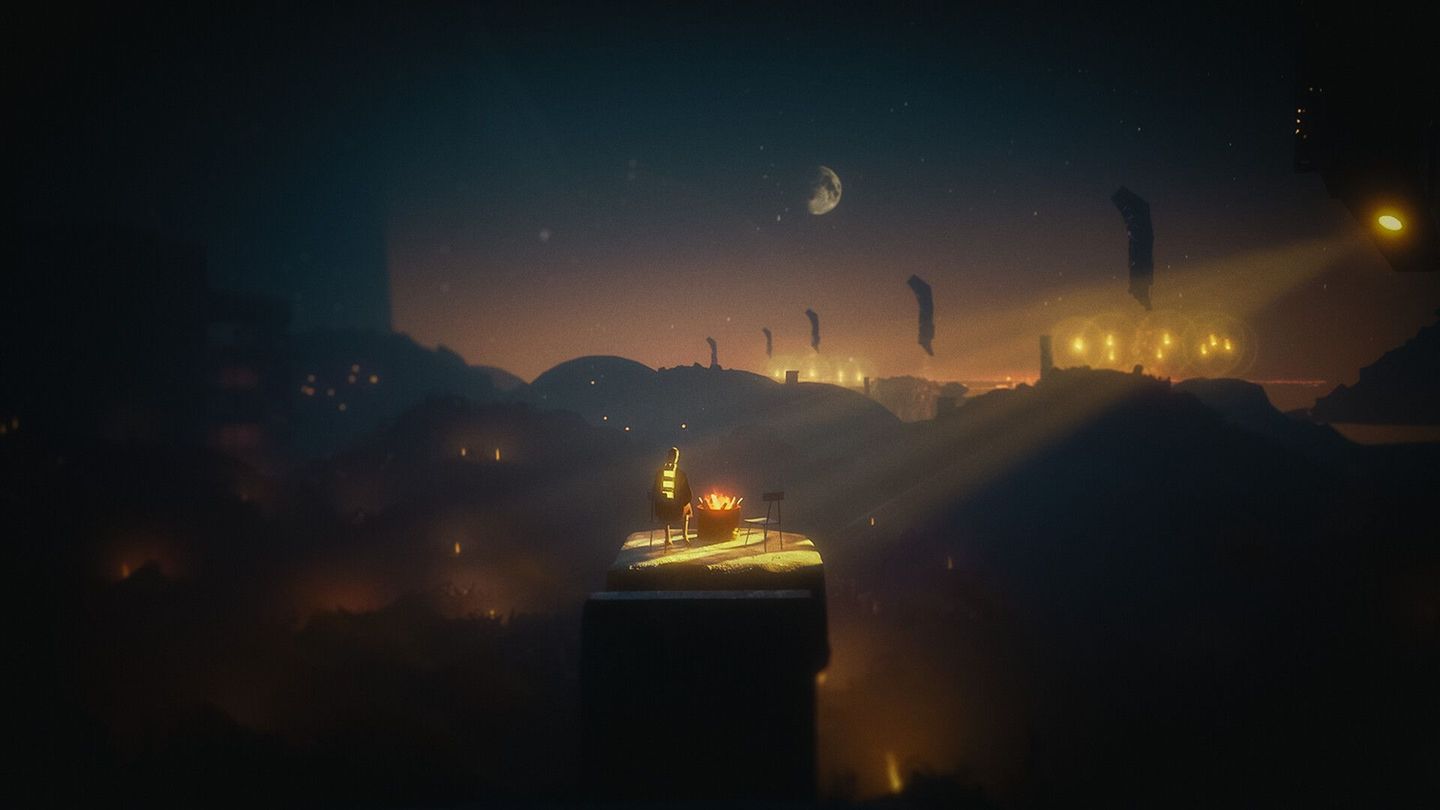
A City Consumed by the Yellow
The premise commits to a striking visual and mechanical idea - a seemingly mundane substance has turned light into a threat. Streets and buildings that might once have been safe are now full of danger. That changes how every encounter plays out. Stealth is not a single approach but a constant negotiation with the environment around you.
Rather than armor or weapons, the world gives you objects and rules that interact. Electricity can arc through metal, water can carry it, fire behaves according to what it touches. Those reactions are not scripted one-size-fits-all answers; they are systems you can learn to exploit or be betrayed by if you act without thinking.
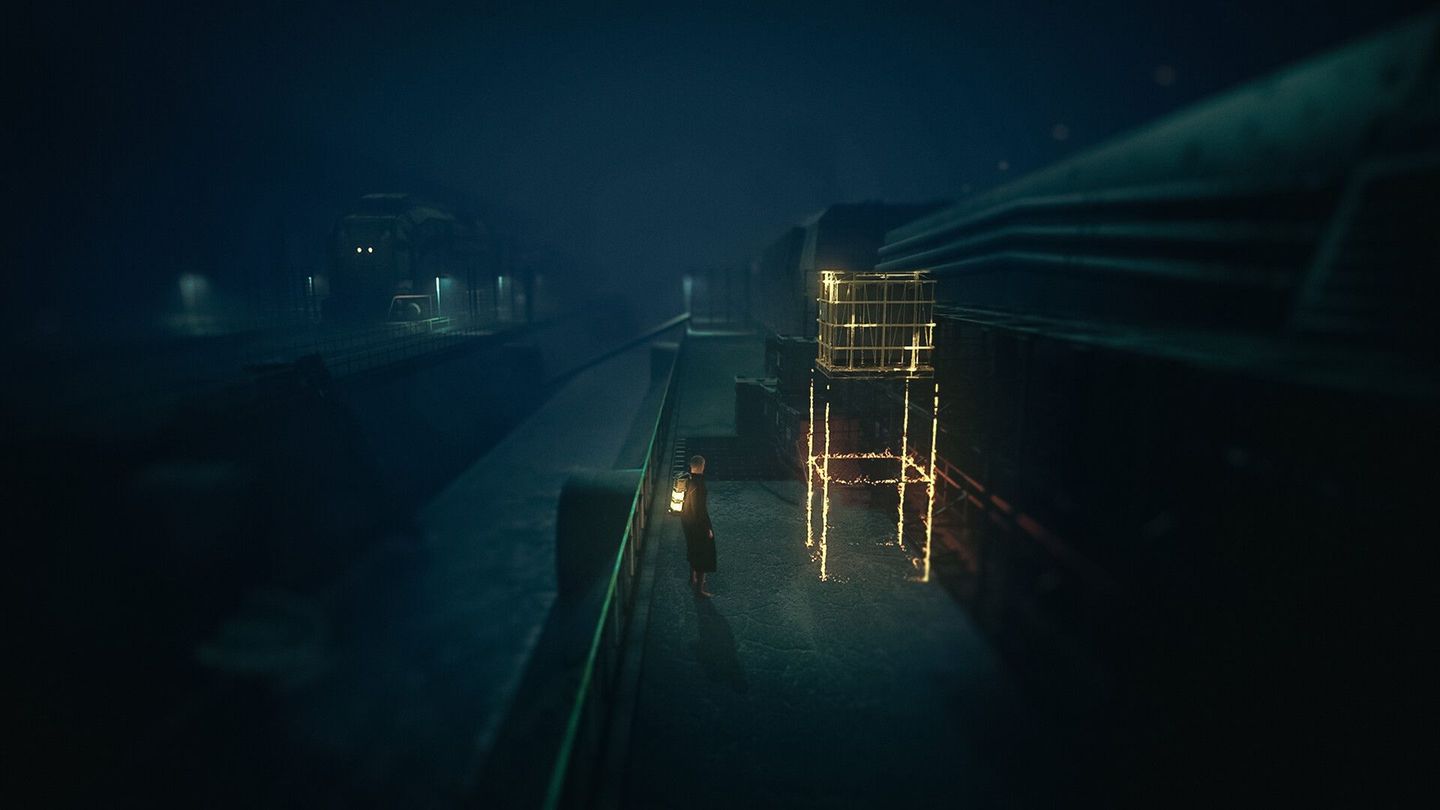
Copy, Adapt, Survive
The standout mechanic is the duplication tool - you can copy furniture, debris, functioning light sources, and useful tools and then drop duplicates back into the world. Every object has potential roles: cover, distraction, a platform, or a trap. The same item placed differently can save you or expose you.
That freedom encourages creative problem solving. If a hallway is patrolled and lit, you might duplicate a metal crate to block a sensor, or duplicate a lamp and use it as bait to lure guards away. There is no single correct solution. The game rewards experimentation and quick thinking, especially in moments where hesitation is deadly.
Player-Driven Problem Solving
Enemies in 4:AM react to sound, movement, and disruption. Sometimes silence and patience are best. Other times, a loud diversion or a hasty dash is the only way through. The game leans into those split-second decisions, making stealth feel cinematic without forcing you onto a single rail.
Because environmental elements interact, you will often be balancing risk and reward. Electrocute a puddle to take out a light and risk revealing your position with the spark. Burn a barricade to open a path but scorch potential cover. The systems encourage learning by doing, and solutions feel earned when they come from your own ingenuity.
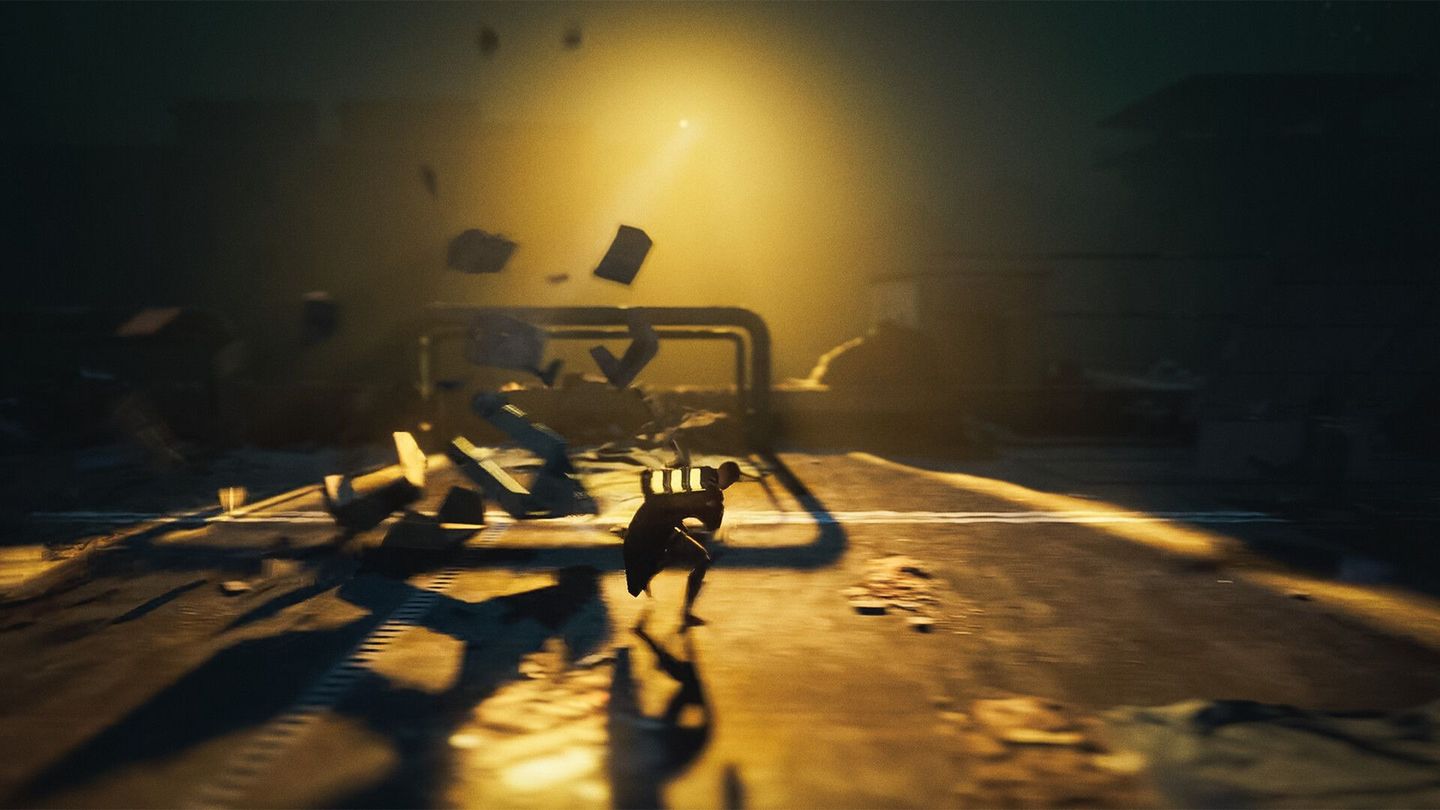
Would You Risk It?
Events and encounters in the city unfold around you and are often optional. Intervening can help other survivors or change how a sequence plays out, but doing so can also make things much more dangerous. Your actions have consequences that ripple through the world and influence who makes it out.
4:AM promises tense, cinematic stealth moments built around a simple but potent philosophy - the tools are in the world, the reactions are real, and the route forward is yours to invent. If you like stealth that treats the environment as a sandbox instead of a checklist, this one is worth watching.