
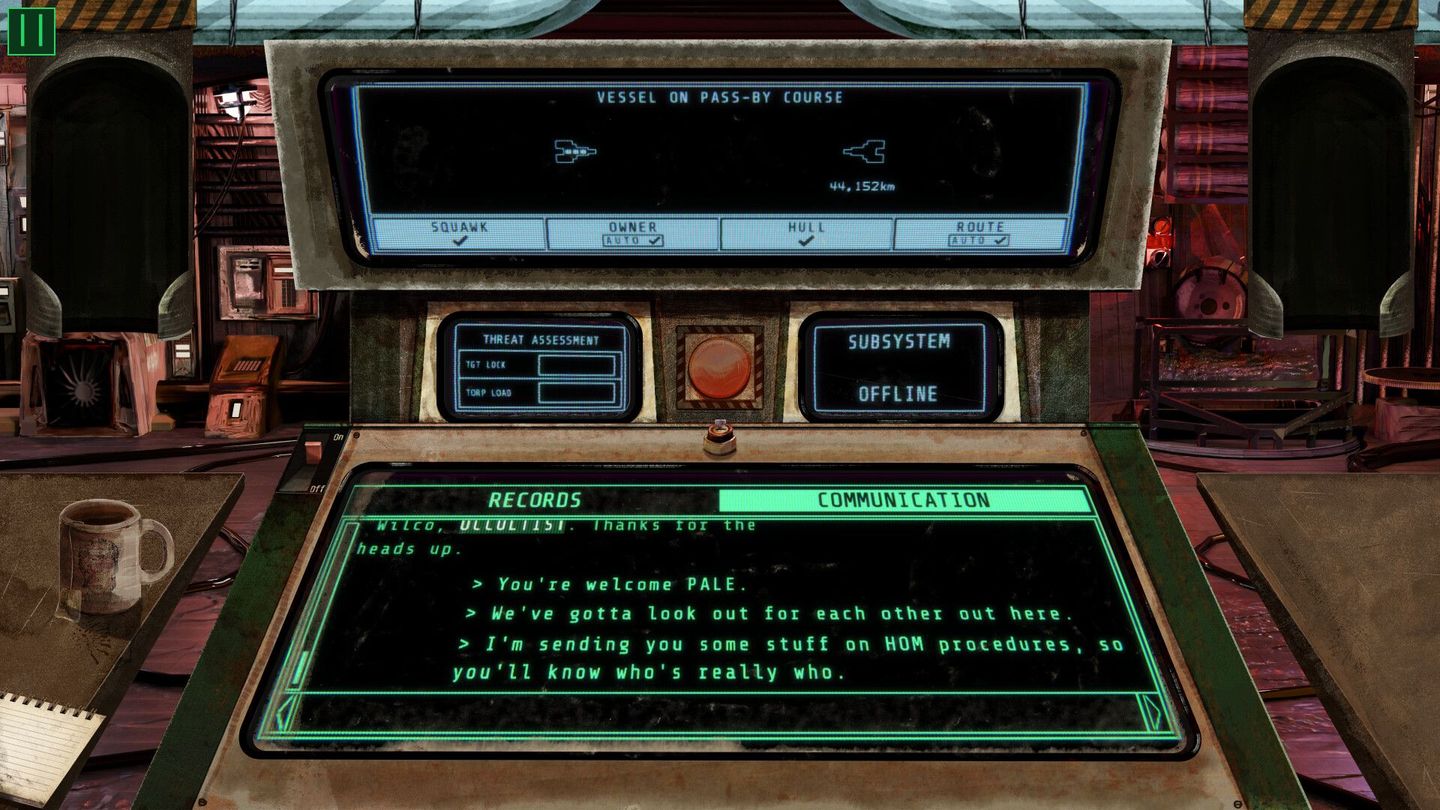
Contact Protocol Puts You in the Security Chair of a Corporate Ship
Contact Protocol is a starship job simulator set in a gritty, cassette-future where humanity scrapes resources from the solar system. You play the security officer aboard PALE HORSE, a Galileo Corporation transport carrying miners to Ganymede. Your station is a console, your tools are company records and a comm line, and your job is to decide who gets to pass and who does not.
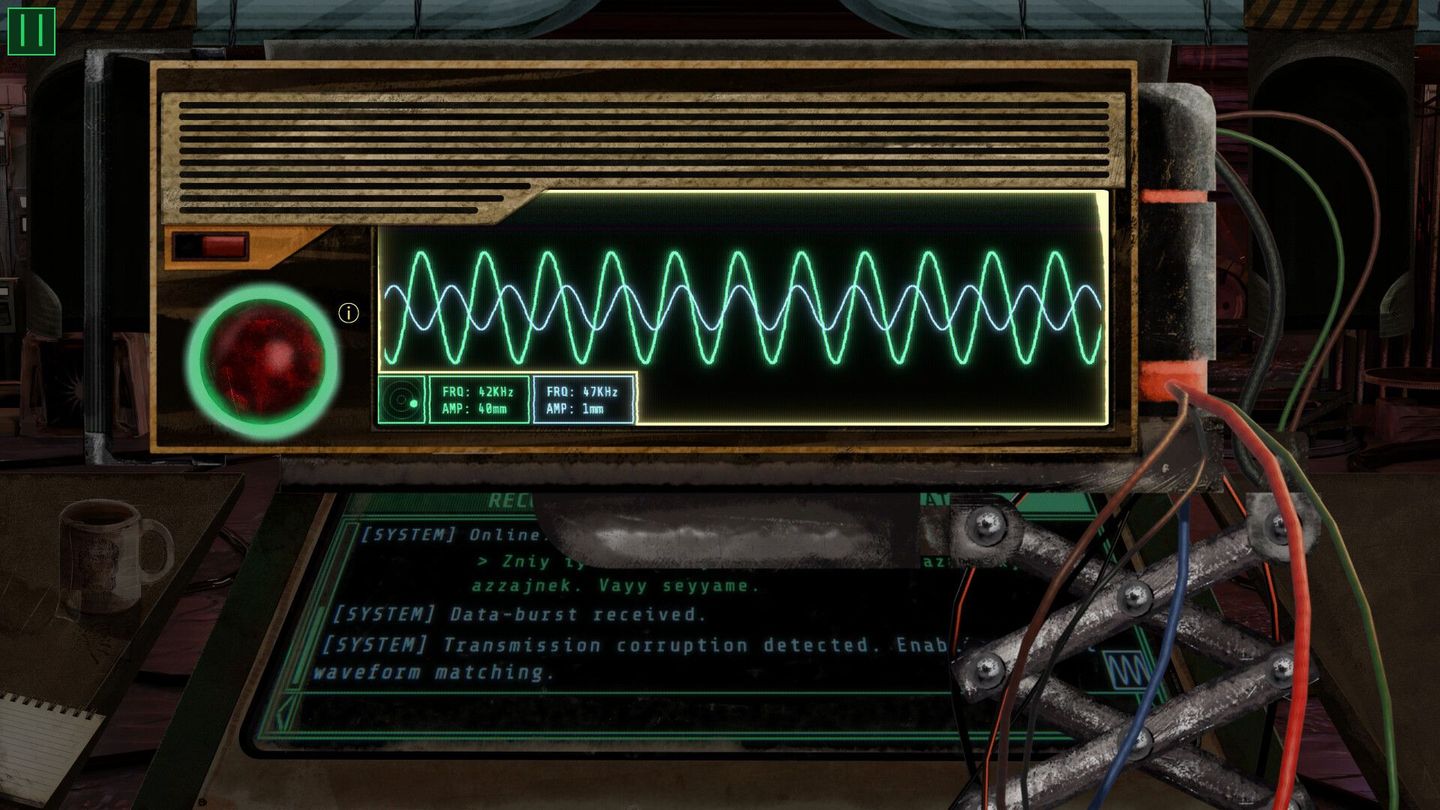
A Security Officer on the PALE HORSE
Encounters arrive as data bursts and comms that rarely line up. You will investigate incoming transmissions by cross-referencing them against company records, interrogate ships whose details do not match, and, when necessary, engage hostile contacts. The stakes are straightforward and stringent. The company is watching, and mismanaged paperwork can expose your employer to legal action.
This is not just a paperwork sim. The role asks you to juggle tasks: fix contact frequencies, check hull images, recover corrupted data, and answer comms while decisions pile up. You will also talk with your shipmates to keep morale intact. Those conversations look to be more than filler; your choices affect relationships and the broader narrative.
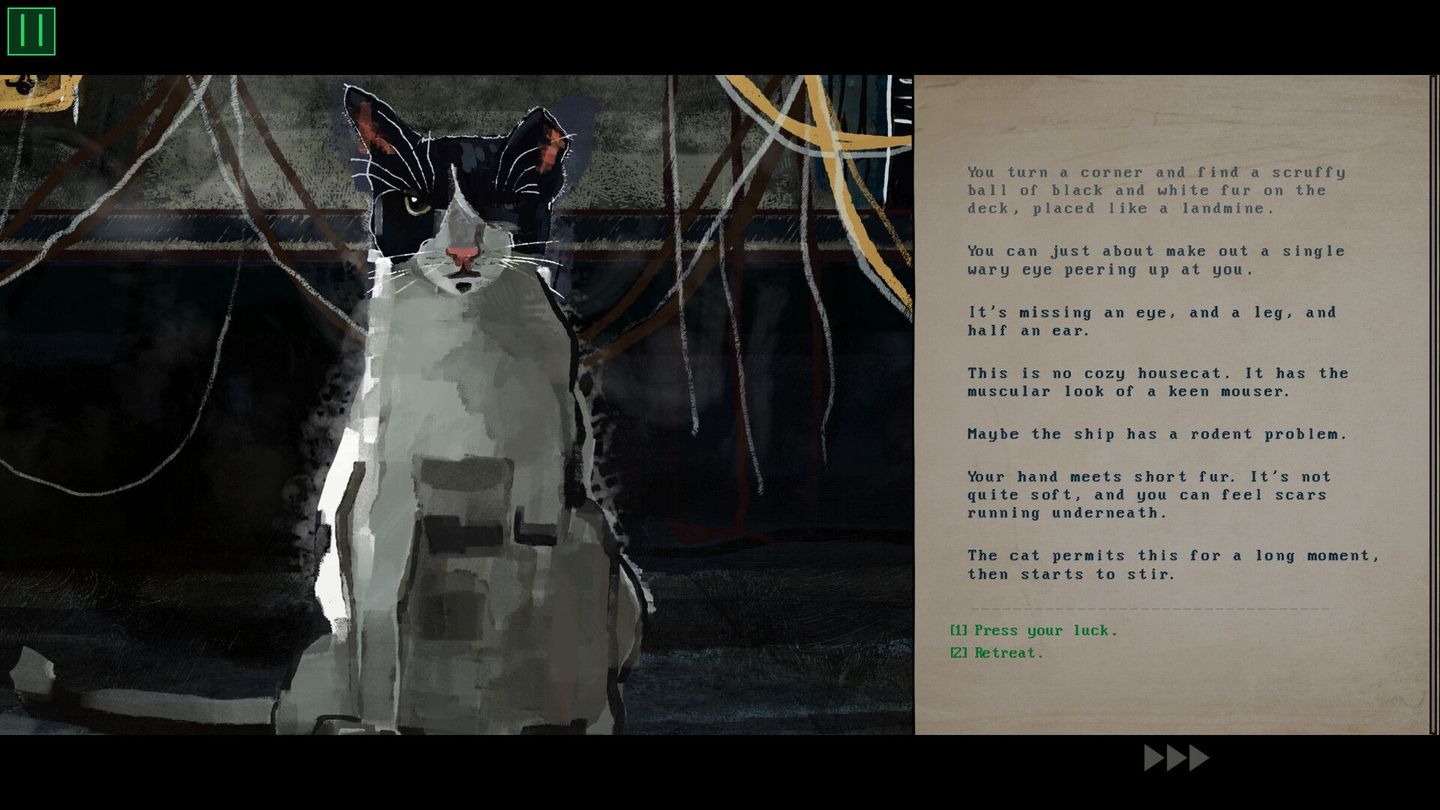
Time Pressure and Tough Calls
Approaches give you limited time to make sense of messy, partial information. Thinking is useful, but thinking costs time. Contact Protocol is built to test your multi-tasking skills and instincts at once. Sometimes you will have to act on imperfect intel. Sometimes those actions will be fatal.
The game makes accountability a core theme. You are not always in control of what happens, but you are always accountable for the outcomes. That promise shows up in features like a custom moral profile that breaks down your decisions when you finish a run, and multiple endings that reflect the ripple effects of your choices across the system.
Procedural Encounters and Personalization
Encounters are procedural, so every ship you flag will present different combinations of data, motives, and potential threats. Corporate competitors, smugglers, and other hazards roam the space lanes, so no two runs should feel the same. Choices matter not only for this mission but for how the crew responds and how narratives unfold.
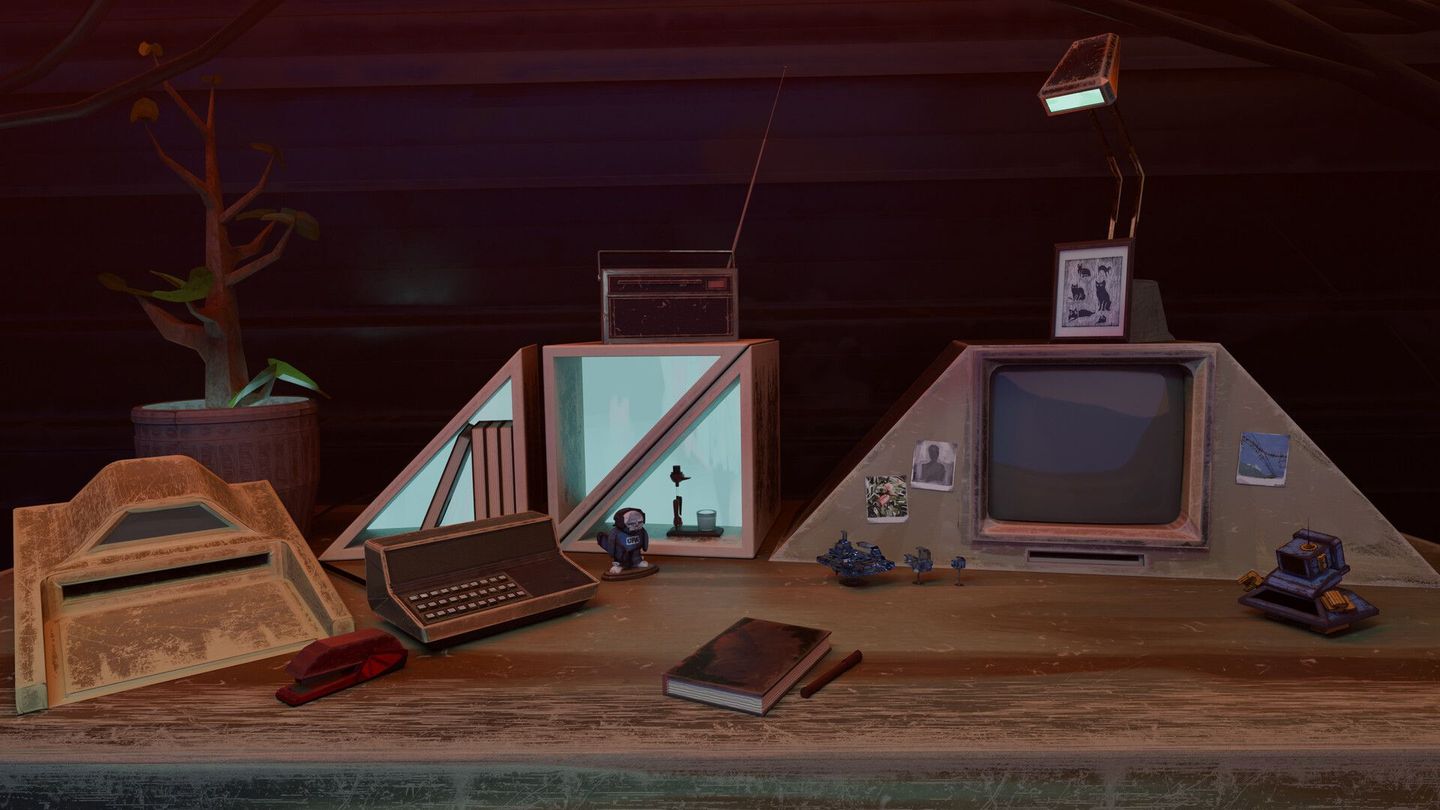
There is also room for personalization. You can tweak your workspace, from console text color to which bobblehead sits on your dash. Those small comforts may matter when the comms never stop and you are the line that keeps the PALE HORSE and its miners alive.
Contact Protocol looks like a tense, focused take on duty in space: a job that turns mundane verification work into a pulse-raising game about judgment, responsibility, and the consequences of split-second decisions.