
Overcommit: Class Inheritance

Overcommit is a satirical card-based strategy about surviving the absurd realities of software development. Each in-game day plays like a hand of choices, where meetings, interruptions, and questionable management collide with your attempts to write code and stay sane. The game leans into humor and industry truths while turning stress itself into a mechanical resource you must manage.
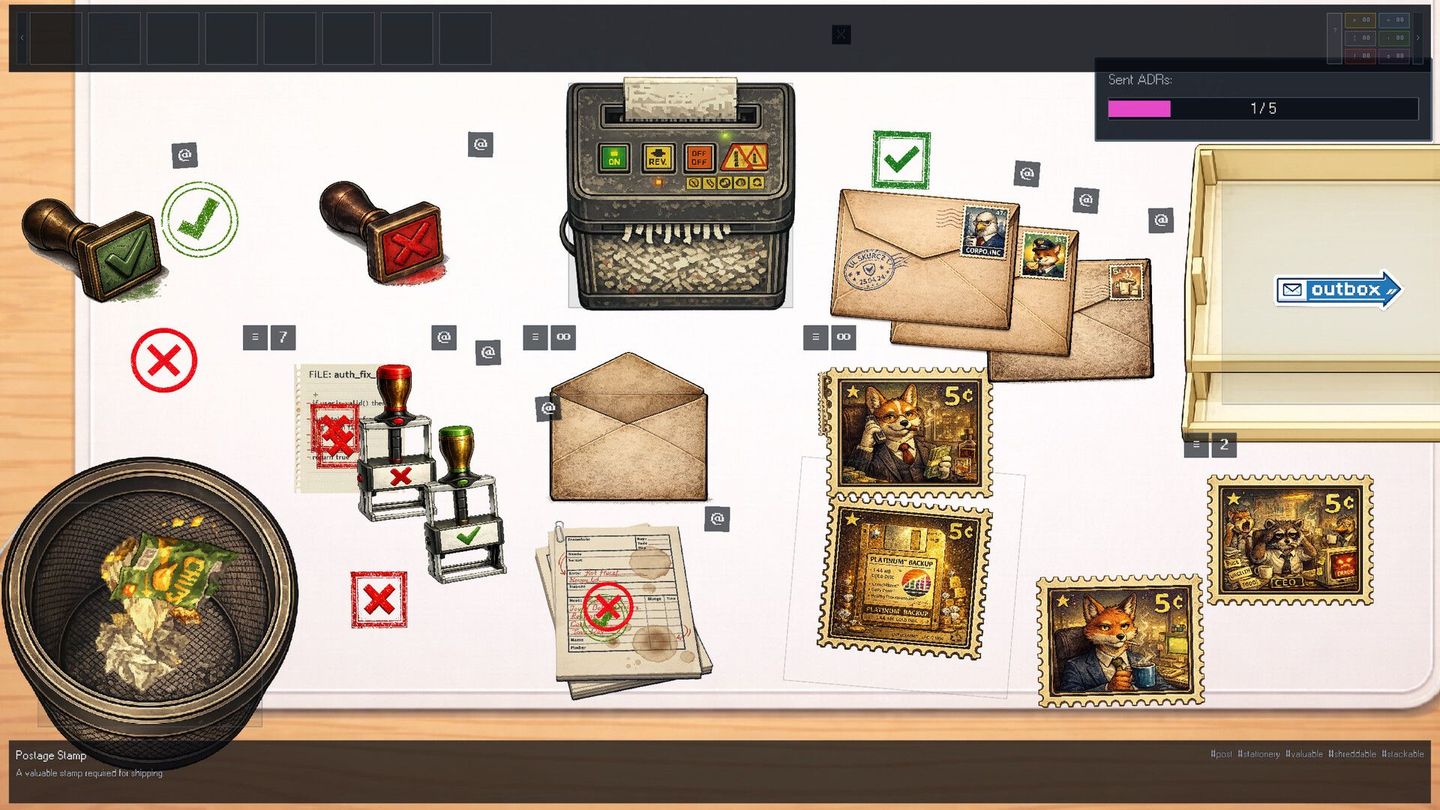
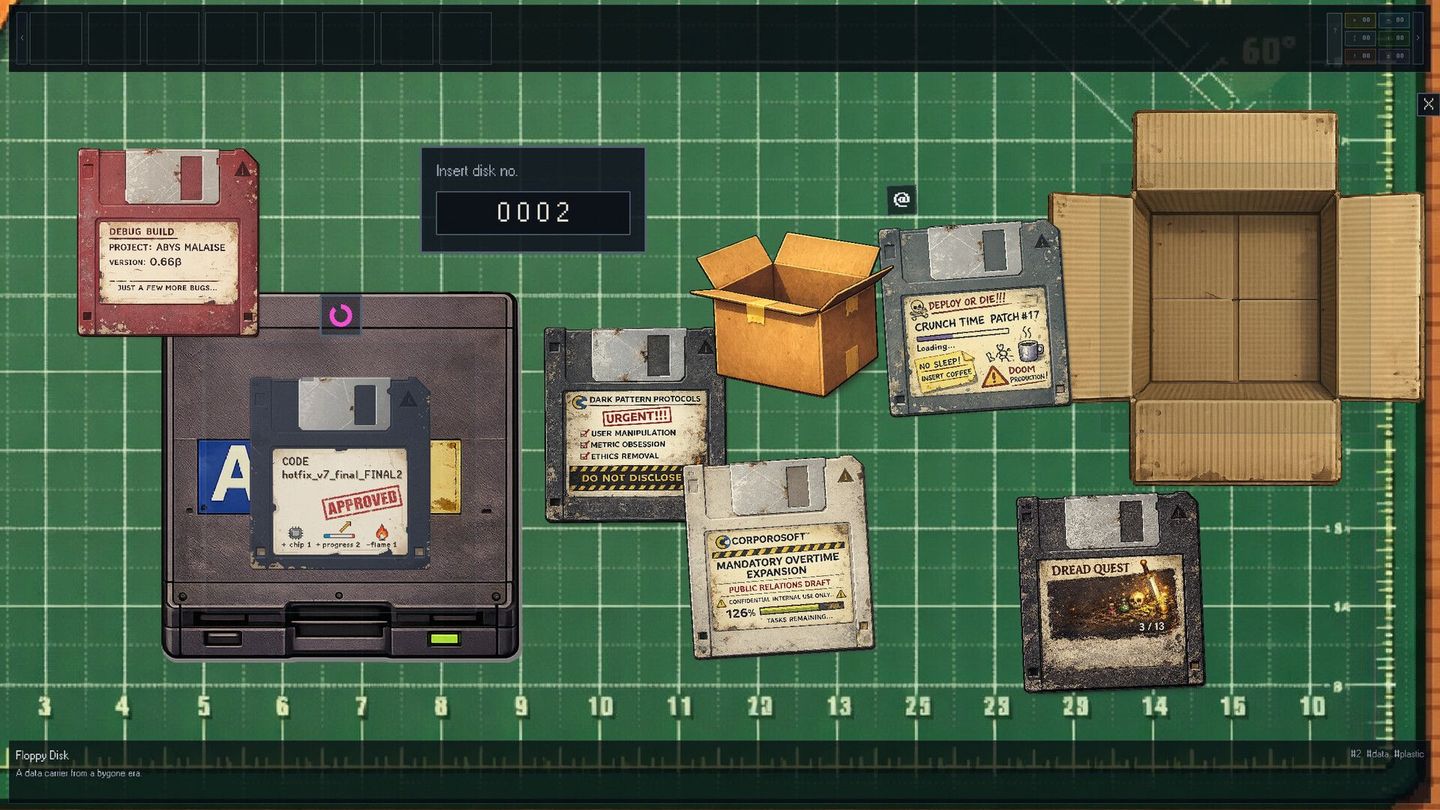
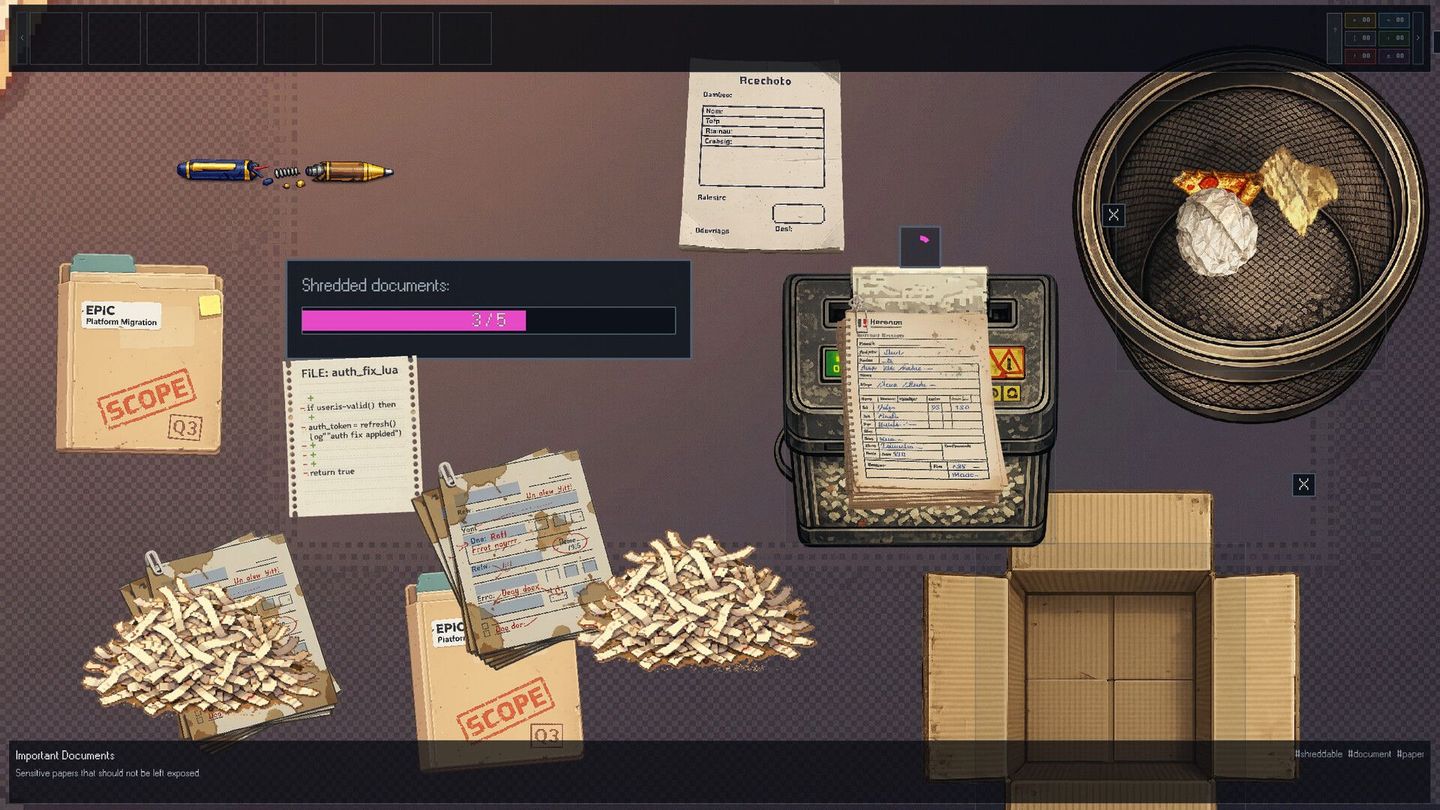
  Overcommit: Class Inheritance screenshot 2  

Core Gameplay

Every day in Overcommit is played out through card draws that represent the rhythms of a workday. Your deck is made from Work actions, Mental states, Workplace events, and Personal actions. Work actions cover things like deep focus, debugging, and writing code. Workplace events include meetings, interruptions, and office politics. Personal actions give you tools to recover or cope, from coffee breaks to more questionable strategies.

Combining cards is central. Pairing the right actions and states can create temporary conditions such as Flow, Panic, or Brilliant Ideas that alter how effectively you produce Code. When productivity aligns you generate Code, which is the currency used to complete tasks and push projects forward. The core loop is a careful trade-off between pushing for output and protecting your mental health.


Mental State Mechanics

Mental states are more than flavor. They shape decision making and productivity, and must be actively managed. Stress, creativity, concentration, and burnout appear as cards and effects that interact with your deck. Some combinations boost output for a short time, while others tip you toward exhaustion if ignored.

Rest and recovery are part of the strategy. Choosing when to take a break, when to push through a sprint, or when to gamble on a risky coping tactic matters. The game frames these choices in a satirical context so the trade-offs feel familiar to anyone who has lived through crunch, weird workflows, or absurd task priorities.

  Overcommit: Class Inheritance screenshot 3  

Roles and Scenarios

A big part of Overcommit is perspective. Your career moves you across roles and company sizes, from junior developer struggles up through the politics of larger organizations. The tech world here is represented by anthropomorphic animals that underscore each role and its peculiarities. Expect to meet lions as CEOs, sloths as testers, and wild boars as programmers, among other unusual creatures.

Each role introduces its own mechanics and challenges. Developers, testers, DevOps, product owners, HR, and management bring different objectives and narrative events inspired by real developer stories. That variety keeps the emergent gameplay fresh and forces you to adapt your deck and approach to new workplace ecosystems.


Art, Tone, and Presentation

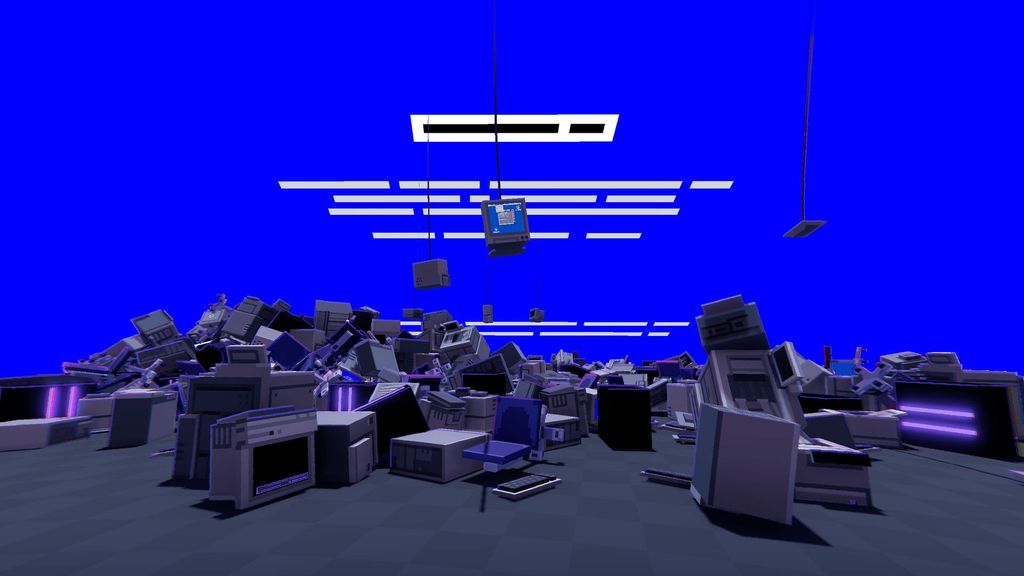
Visually Overcommit moves away from glossy realism and into a retro-corporate pixel art aesthetic that complements its satire. The style gives the game room to poke fun at corporate tropes without losing readability. Narrative events are driven by recognizable scenarios, and the anthropomorphic cast gives those scenes a clear, comedic tone.

The writing leans into workplace absurdity while keeping gameplay readable and system-driven. That balance makes Overcommit feel like a strategy title built on lived experience rather than pure parody.

  Overcommit: Class Inheritance screenshot 4  

Features and Who It Is For

Overcommit is built around emergent systems. Its highlights include a system-driven card game engine, unique mental state mechanics that affect productivity and choices, multiple roles and scenarios from across the tech stack, and narrative events inspired by real-world developer stories. The retro pixel art ties it all together with a distinct look.

If you enjoy card strategy, systems that simulate trade-offs, or games that riff on office culture with a satirical bite, Overcommit has something to offer. It is designed to make you laugh, wince, and think about how much you can handle before everything unravels.


➡️ Check out Overcommit: Class Inheritance now on Steam