
Mayor Quake - Can You Prepare a City That Refuses to Forget?
You won the election by the narrowest margin and inherited a city that carries a wound. In 1928 Constanbul was devastated by an earthquake that left tens of thousands dead and birthed what people still call The City of Orphans. Now it is 2026, and beneath the familiar streets a fault line is stirring. Scientists warn that the silence is no comfort. Your job is blunt and bureaucratic: inspect building records, push through urban transformation where you can, manage finances, and keep the public convinced you are doing enough - all while the central government watches with thinly veiled disdain.
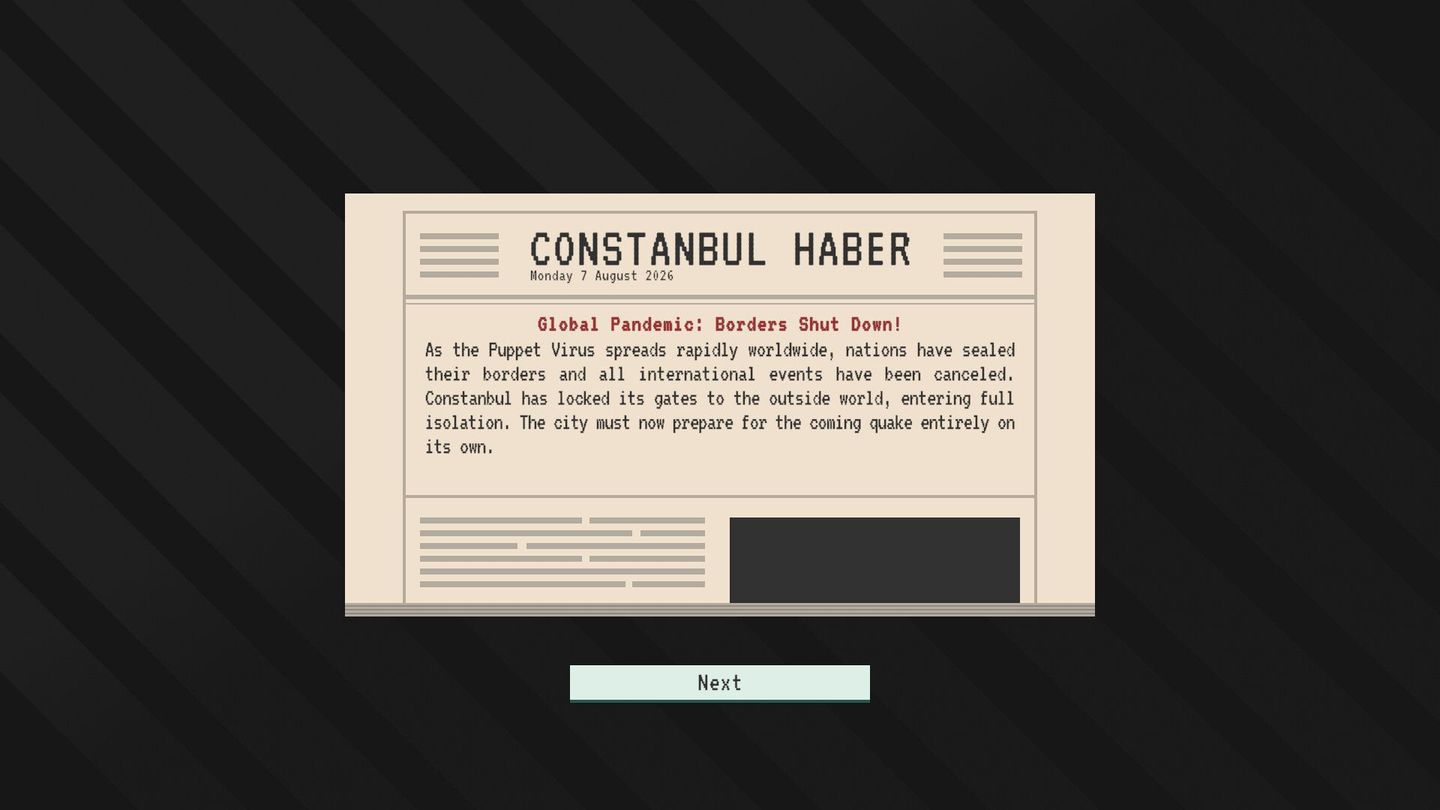
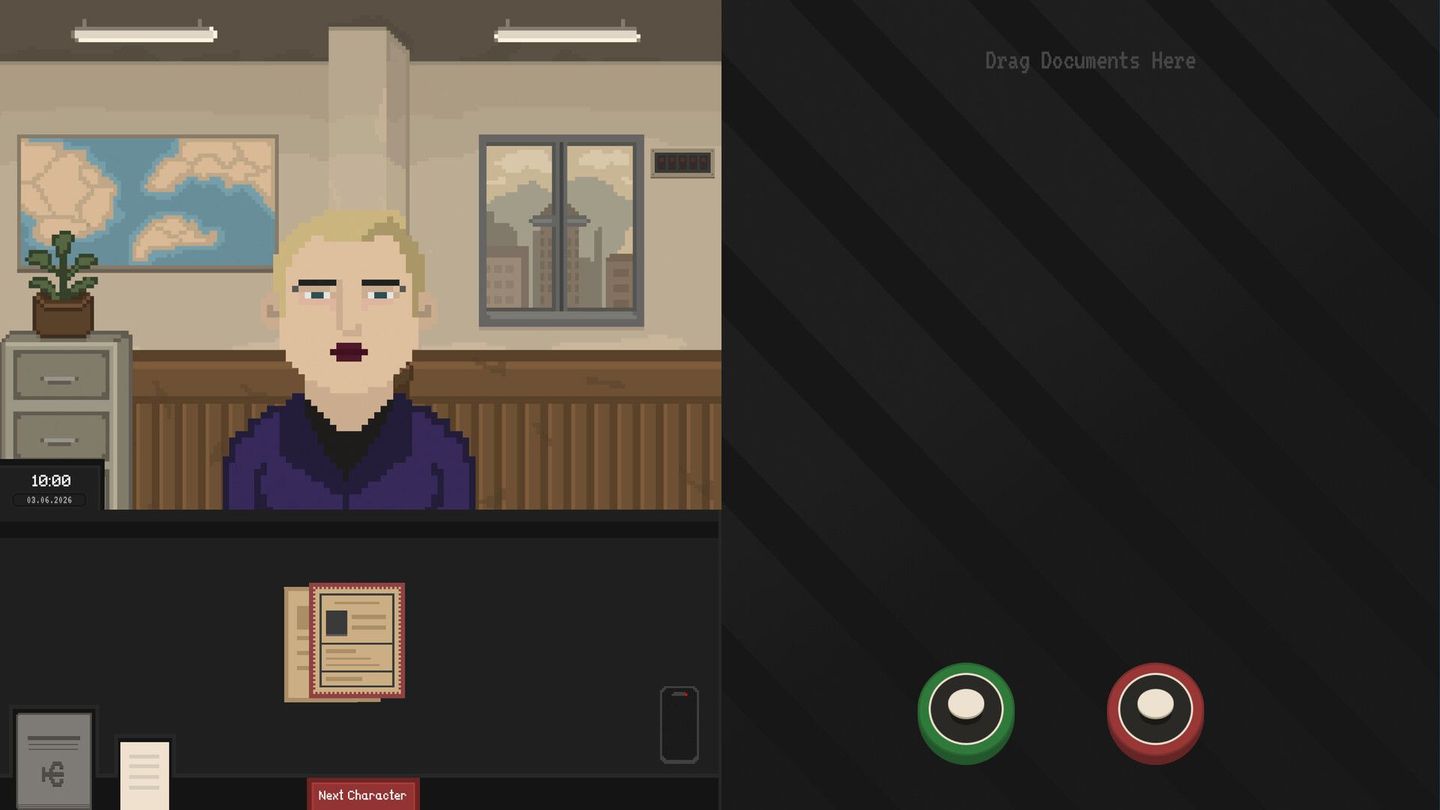
Mayor Quake is a document inspection and decision making game. It strips survival down to clerical choices and moral calculus, and asks whether paperwork and public relations can stand between a city and catastrophe.
Document Inspection and Urban Transformation
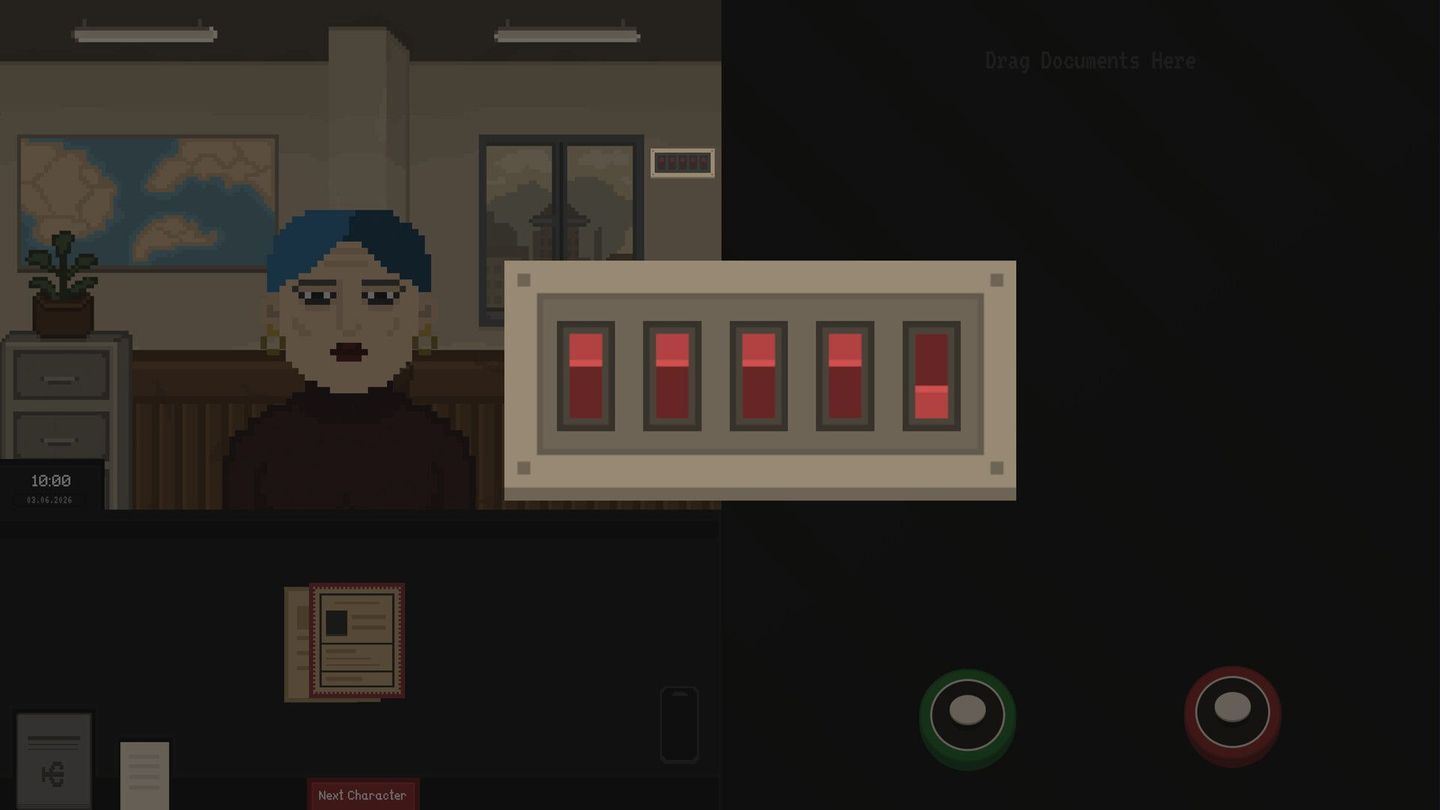
The core of the game is intimate and procedural. You read building documents and decide whether structures meet regulations. Compliant buildings are approved and enter urban transformation, which is how you strengthen infrastructure in practice. The mechanics are less about twitch skill and more about pattern recognition, context, and timing. Do you approve a marginal application to keep a neighborhood happy, or do you demand more work and risk a political backlash?
Alongside the inspection desk are the ledgers. You manage both the city budget and your own personal finances. Those two balance sheets interact in morally charged ways. Funding urban transformation projects costs political capital and cash. Personal choices matter too - Mayor Quake folds the private into the civic so your own life decisions ripple into public opinion.
Politics, Public Opinion, and the Orphans Movement
You are not a neutral bureaucrat. You are the rising voice of the Orphans Movement, people who never forgot the 1928 disaster. That identity gives you moral authority but also makes enemies. The central government is not taking your victory well. Political pressure grows. The public fractures between panicked supporters, skeptical voters, and opportunistic rivals.
The game leans into moral dilemmas with no neat answers. You can remain an idealist mayor and push for strict regulation and transformation at the cost of immediate popularity and short-term hardship. Or you can bend rules, engage in corruption, and use questionable deals to speed projects and secure funds. Every decision affects trust, budgets, and the timeline of remediation. And crucially, you do not know when the earthquake will hit.
Choices That Count - Tension Without a Countdown
Mayor Quake builds tension not with a visible timer but with uncertainty. The threat is constant, the moment unknown, and your choices compound. The game promises multiple endings depending on what kind of mayor you become and how prepared the city is when disaster finally arrives. That design keeps the stakes personal: misfiled approvals, delayed projects, and political shortcuts are not abstract failures - they are potential lives lost.
This is a game for players who enjoy slow-burning tension, ethical complexity, and the kind of slow administrative puzzles that reveal character. It treats paperwork as narrative fuel and political survival as a gameplay loop. If you like games that force you to weigh outcomes in a harsh, plausible civic setting, Mayor Quake will give you difficult choices and consequences that feel earned.
➡️ Check out Mayor Quake now on Steam