
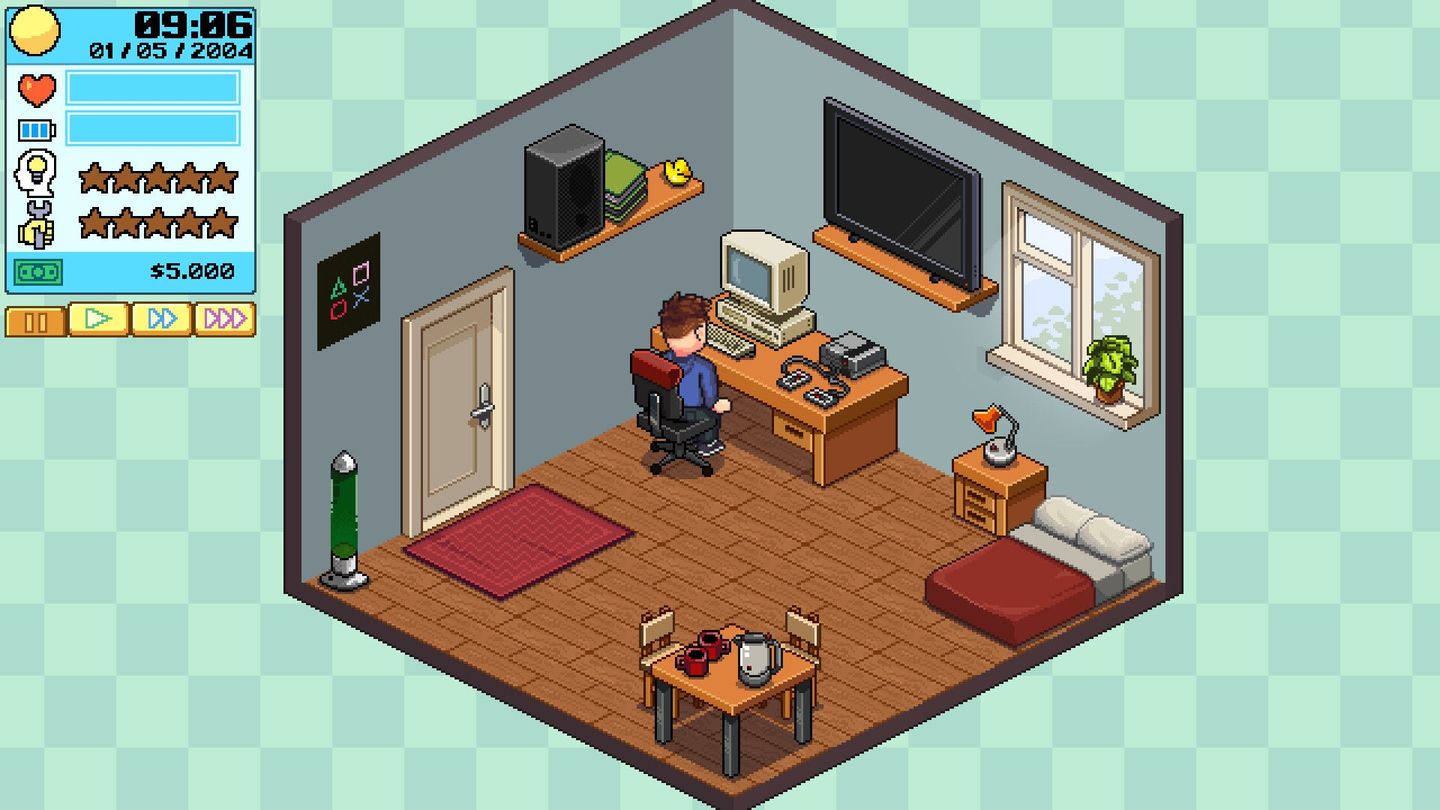
Commitment: A Career Sim That Treats Coding Like Real Life
Commitment drops you into the shoes of an aspiring software developer and asks a simple question. Will you craft a career admired by the community, chase riches at high risk startups, or aim for a steady life that gets you to retirement? The game frames those routes as real choices with real consequences, focused on the slow, sometimes brutal grind of building a professional life in a world dominated by soul sucking corporations.
The tone is realistic rather than fantastical. There are no preset story rails. Instead you repeatedly make decisions about education, time management, projects, equipment and personal health. Those choices add up across many in-game years, and they determine whether your character succeeds, stalls, or collapses under burnout.

Decisions That Actually Matter
Commitment puts the hard parts of career building front and center. Do you go to college or skip straight to a bootcamp? Do you work overtime to accelerate promotions, or preserve your mental health and accept slower progress? Will you invest in expensive gear that might boost productivity and happiness, or save to avoid crushing debt?
Progress is measured against several possible endgames. Finish the path to becoming financially independent, achieve a reputation as a top expert, or simply survive long enough to retire in relative comfort. How you get there is up to you.
Money, Rent and Everyday Survival
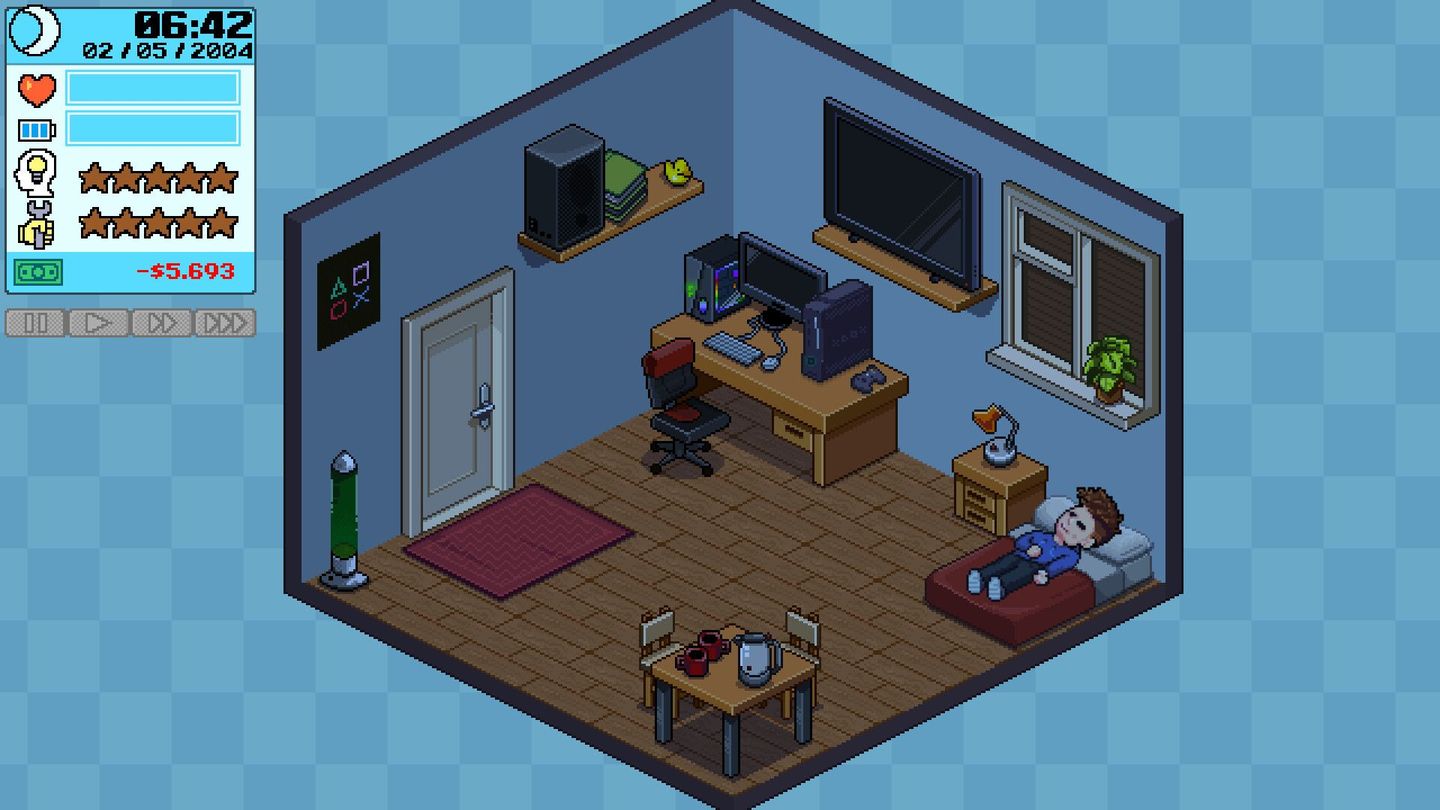
Early on your character lives with their parents, so rent is not an immediate pressure. Expect that to change depending on your choices. When you move out, rent and living costs become a constant factor. Employers pay every two in-game weeks, so managing paychecks and avoiding unnecessary expenses is crucial.
You can buy better furniture and hardware for your room, including PCs and consoles, but those purchases can push you toward debt if you are not careful. Bad financial decisions or consistently low income can lead to failure states that feel painfully realistic.
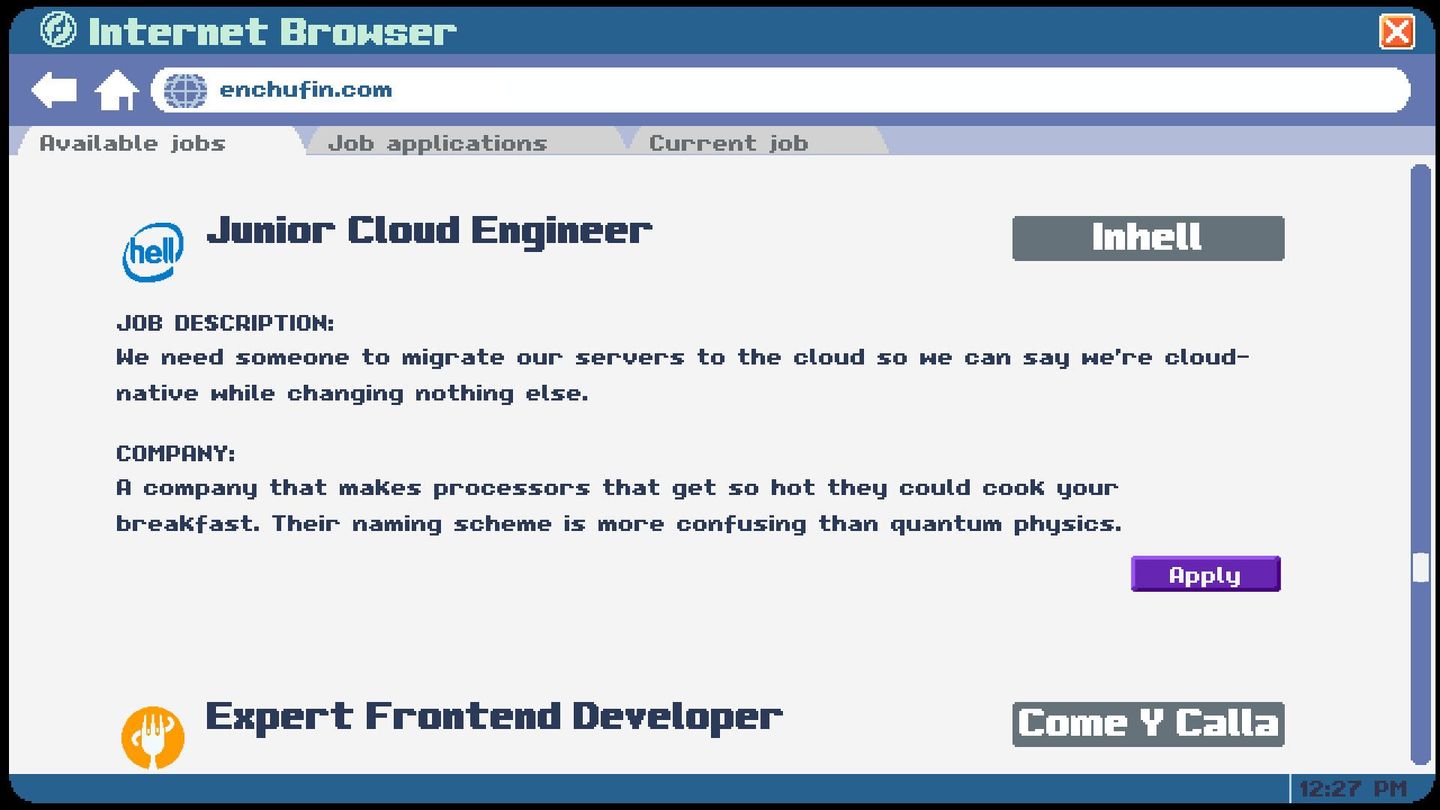
Level Up by Solving Real Problems
Career growth in Commitment is not just a number on a screen. You can follow a traditional route through college, take a focused bootcamp, or rely on online courses to learn new skills. The twist is that leveling up often requires answering real world software engineering questions. Get them right and your character gains skills faster, miss them and growth slows.
This mechanic gives the game an educational edge without feeling like busywork. It rewards actual knowledge and practice, making promotions and reputation earned rather than handed out.
Wins, Losses and Hard Limits
Commitment ends when you reach the major goal for the path you picked, whether that is wealth, industry leadership, or a peaceful retirement. But the game also has clear failure conditions. High burnout, overwhelming debt, and worsening habits can push a character past critical thresholds. Those routes do not feel punitive so much as plausible consequences of long term choices.
The result is a game that asks you to balance ambition against sustainability, and short term gains against long term health. It is designed for players who want a grounded simulation about careers, not a fantasy about overnight success.
Commitment looks like a thoughtful take on what it means to build a life in tech, offering multiple strategies and the kind of gritty trade offs that make those strategies interesting.