

Tales of Trade turns shopkeeping into spellbinding strategy
Tales of Trade reframes the familiar indie shopkeeper loop into something a little stranger and a lot more strategic. Items do not measure worth by raw damage or armor numbers. Instead rarity, condition and the particular enchantments woven into each trinket decide what customers will pay. That twist pushes the game away from loot hoarding and toward a living, magical economy where perception and reputation matter as much as gold.
You will haggle in real time using psychological tools like Sweet Talk, Pressure and Deceive. Move your shop to new cities to expand influence, and outfit persistent adventurers before sending them off on guild quests. But the market has teeth: illusions, cursed wares and the murky black market can take away profit, reputation or worse.

Bargain like a professional
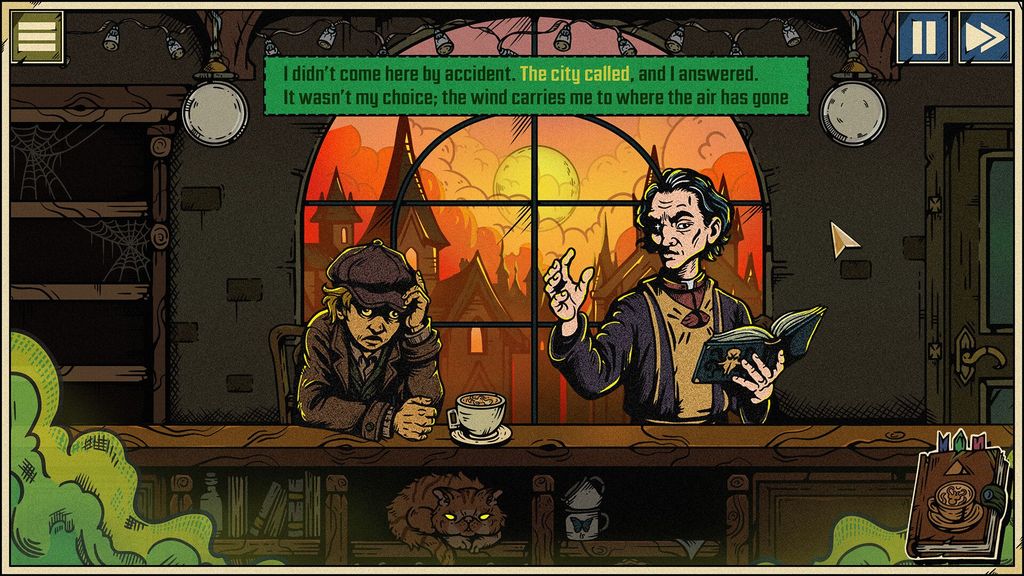
The core trading loop sounds simple on paper but promises depth. Negotiations are tactical and time sensitive. Customers have patience meters and different temperaments, and your skills can be upgraded through a gameplay ability system that echoes RPG progression. Sweet Talk will charm, Pressure will push a hard bargain, and Deceive will open risky shortcuts. How you combine those tools in the moment will determine your margins and the stories that follow.
Because trades happen in real time, decision weight is constant. Let a seller walk away, and you might lose an opportunity. Push too hard, and you risk angering repeat customers. The system encourages learning player-driven social strategies rather than just min-maxing item stats.

Equip adventurers and expand your reach
Adventurers in Tales of Trade are persistent agents whose performance depends on class-based affinity modifiers for specific enchantments. Choosing the right enchantments for a ranger, mage or tank can make the difference between a lucrative guild quest and returning corpses. That gives itemization a purpose beyond inventory tidy-up.
Moving your shop between cities is more than scenery. Location affects clientele, the availability of certain enchantments and the risks you face. Expanding influence is as much about discovering new markets as it is about mastering which enchantments sell in which towns.

Curses, contraband and moral choices
Not every profitable deal is safe. Tales of Trade layers risk into the economy with cursed items, illusions and an active black market. You can cleanse cursed goods at the Church to protect reputation, or fence contraband for quick profit while risking investigation and a tarnished name. Those choices are the game's dramatic engine: slow, steady trade or fast money with potential fallout.
The combination of item-driven value, tactical bargaining and adventurer management makes for a shopkeeping sim that rewards attention to nuance. Tales of Trade looks built for players who enjoy negotiation, risk management and the thrill of turning arcane oddities into a thriving business.
Short, smart, and a little mischievous, this is a game that turns sale signs into strategy.