
Black Sailors: A Santos Bay Tale Puts Revolt on the High Seas
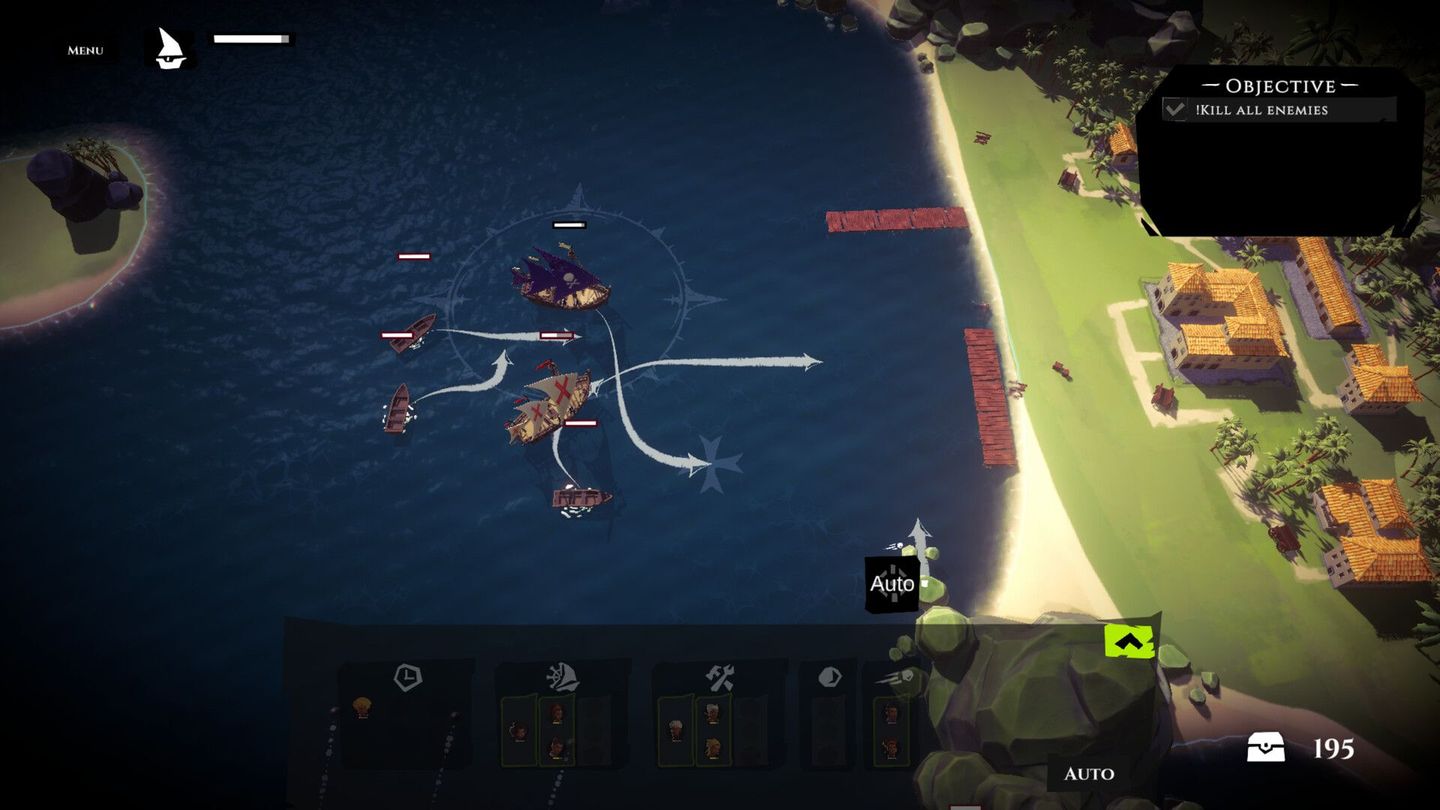
Black Sailors imagines a different Atlantic story. In 18th century colonial Brazil, formerly enslaved people seize a vessel, become pirates, and take the fight to colonial powers in the Bay of All Saints. The game centers on tactical naval battles, crew management, and a campaign of liberation, justice, and revenge.
Combat is turn based and built around the realities of sail. Positioning and momentum matter. The choices you make at the helm shape not only a single skirmish but the wider arc of resistance across islands and coastlines.
Turn Based Naval Tactics Where Momentum Matters
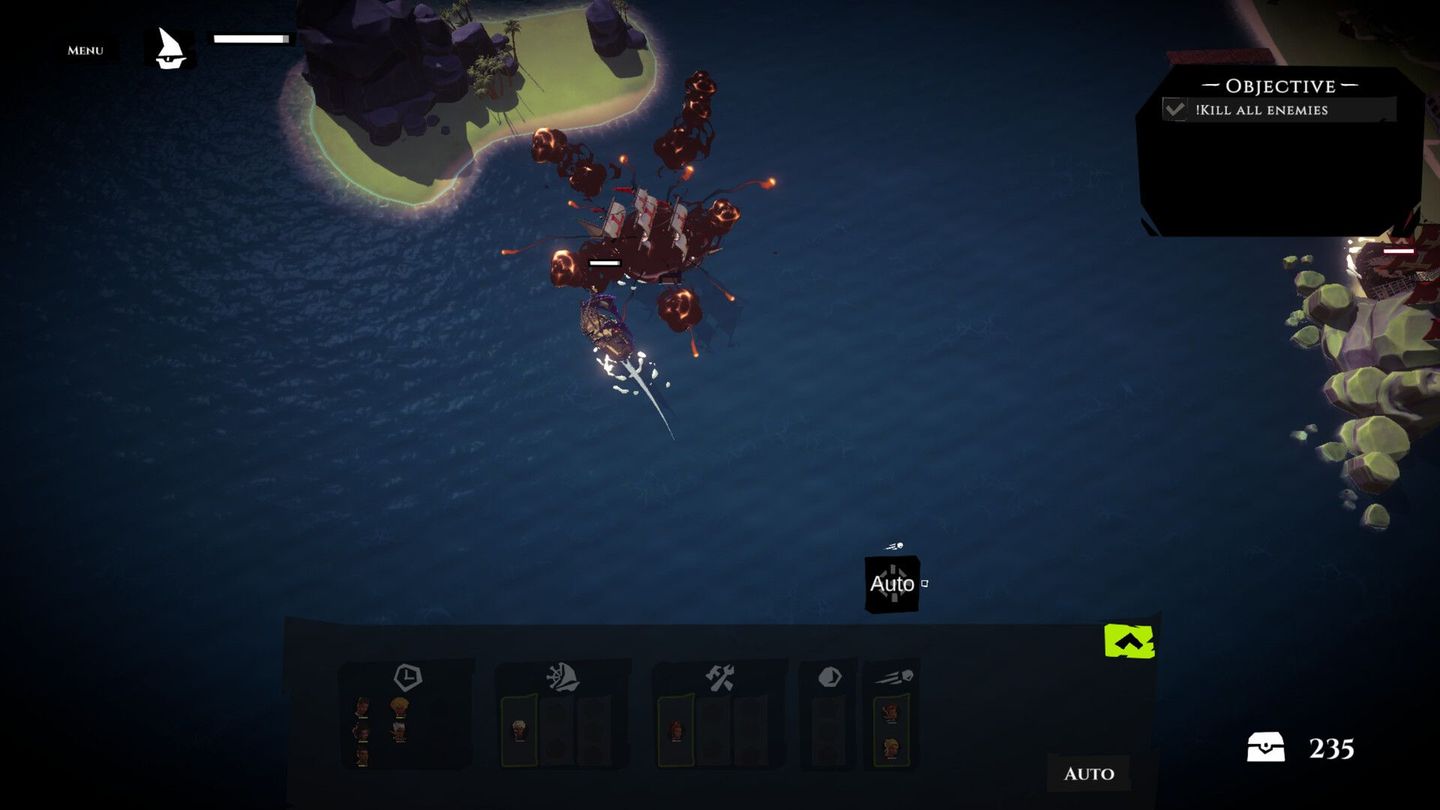
Combat in Black Sailors focuses on inertia based movement. Ships do not stop on a dime. Timing your turns, plotting attack angles, and anticipating how wind and momentum will carry a hull are core skills. Facing better armed Portuguese caravels calls for planning ahead rather than brute force.
That design pushes players into tactical thinking that feels maritime and deliberate. A well executed approach can outflank a larger foe, while a poor maneuver risks being stranded in a crossfire. Expect careful positioning, feints, and the satisfaction of turning the sea into a weapon.
Navigation, Roles, and the Shape of a Rebellion
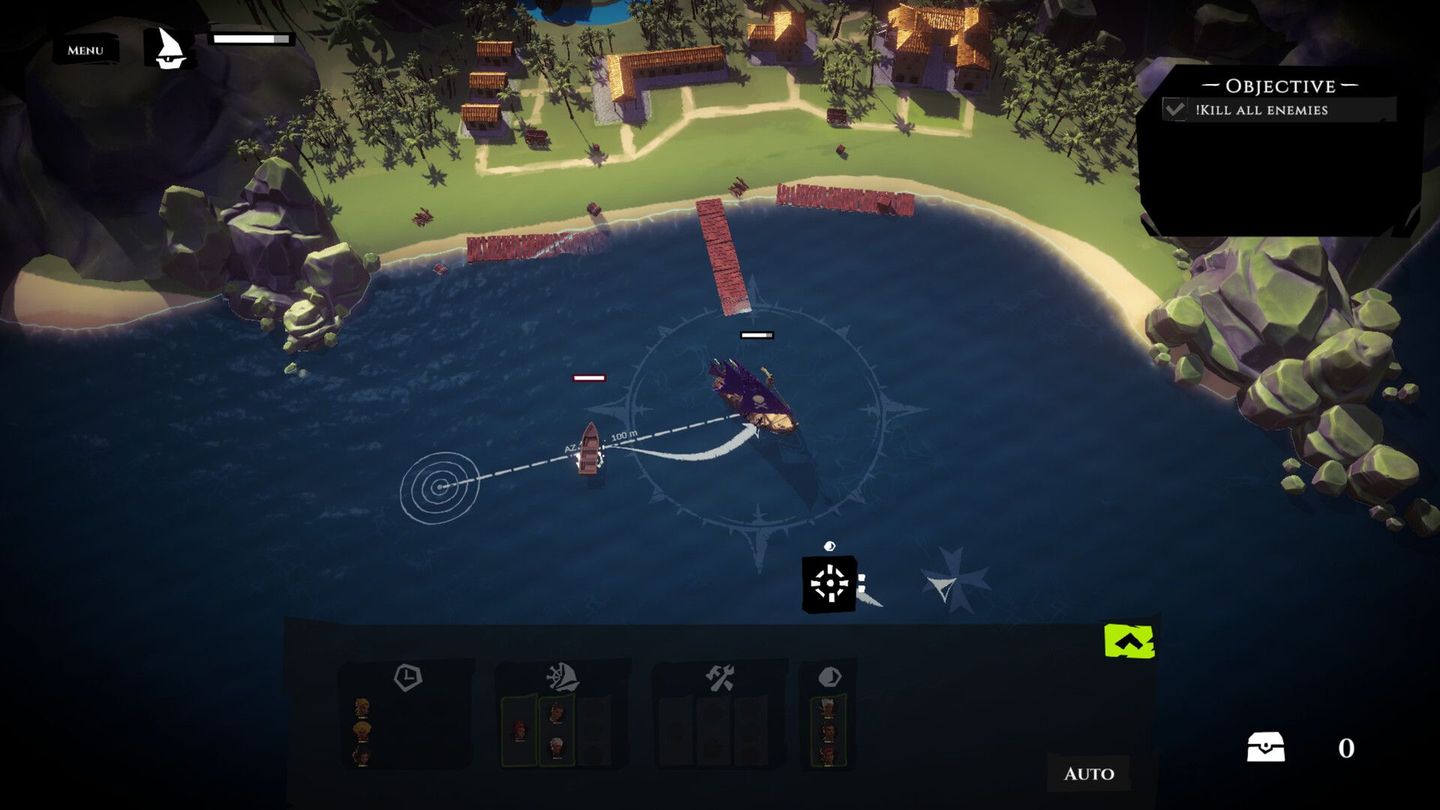
Sailing mastery is more than movement. Every encounter asks you to decide whether to press an attack, disengage, or cut a ship off to protect a vulnerable target. Escape routes matter as much as attack angles. The map of islands and currents becomes a strategic layer in itself.
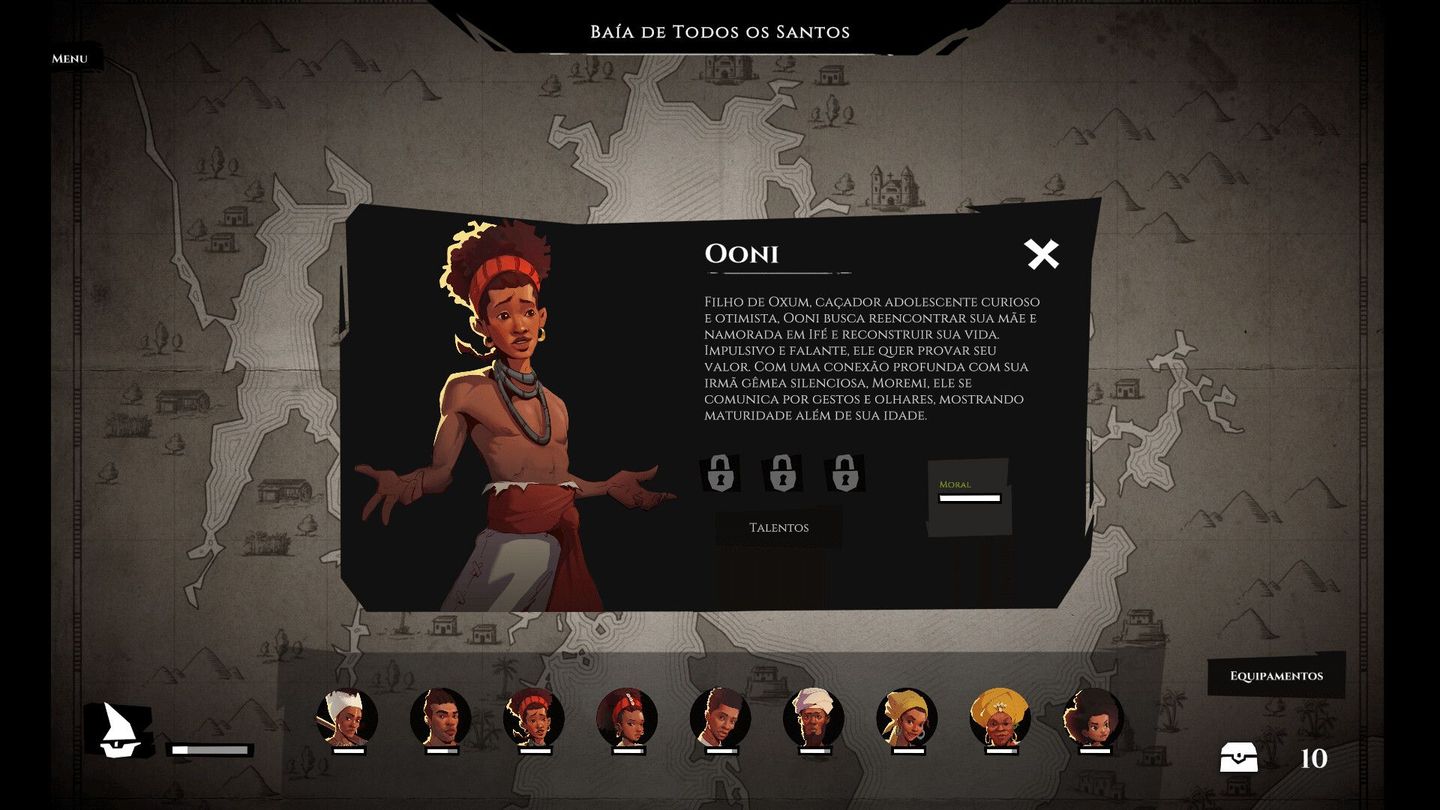
Crew assignments amplify those decisions. Place a blacksmith, a hunter, or a veteran warrior where they best serve the ship and the fight. The same vessel can behave very differently depending on how you distribute skills and responsibilities.
Raid, Liberate, and Build Resistance
Campaign objectives emphasize insurgency over loot for loot's sake. Plunder Portuguese caravels when needed, but a core mission type is intercepting slave ships and freeing the captives. Supporting quilombos hidden among islands ties battlefield success to the growth of wider resistance.
Each action has consequence. Liberating captives can swell your ranks and unlock new capabilities. Attacking a strong convoy might provoke harsher patrols. The game frames these choices as part of a larger struggle rather than isolated skirmishes.
A Crew Forged from Many Shores
Black Sailors presents a multinational crew drawn from West African polities and traditions. Characters hail from places like Dahomey, Oyo, and Ife, each bringing cultural knowledge and distinct skills. Forced together by colonial violence, their cooperation becomes the engine of revolt and a source of narrative weight.
The game uses that diversity to explore unity and cultural exchange. Bonds formed between crew members are not just gameplay mechanics. They echo the real historical currents that shaped Afro Brazilian society and identity.
Stylized Bahia and the Weight of History
Set in a stylized colonial Bahia, Black Sailors leans into the symbolic power of revolt. Victory on the water is framed as an act of historical reclamation. The aesthetic choices emphasize pride and resistance while the tactical systems ask players to think like insurgents making the most of limited resources.
Black Sailors does not retell familiar maritime fantasies. It reorients naval tactics toward a story of emancipation and collective struggle, offering players a chance to command a fleet that fights not for treasure alone but for freedom.