
Factomancer: Where the Order Outsources Progress
You are an agent of the Order on Karnor, a land where magic powers industry. Armed with enchanted technology, your mission is simple in theory and messy in practice: turn raw magical resources into goods, artifacts, and trade commodities that satisfy the Order's objectives. Every run rewrites the map, throws new events at your plans, and asks you to prove that your factories can survive the unexpected.
Design production chains that feel like alchemy
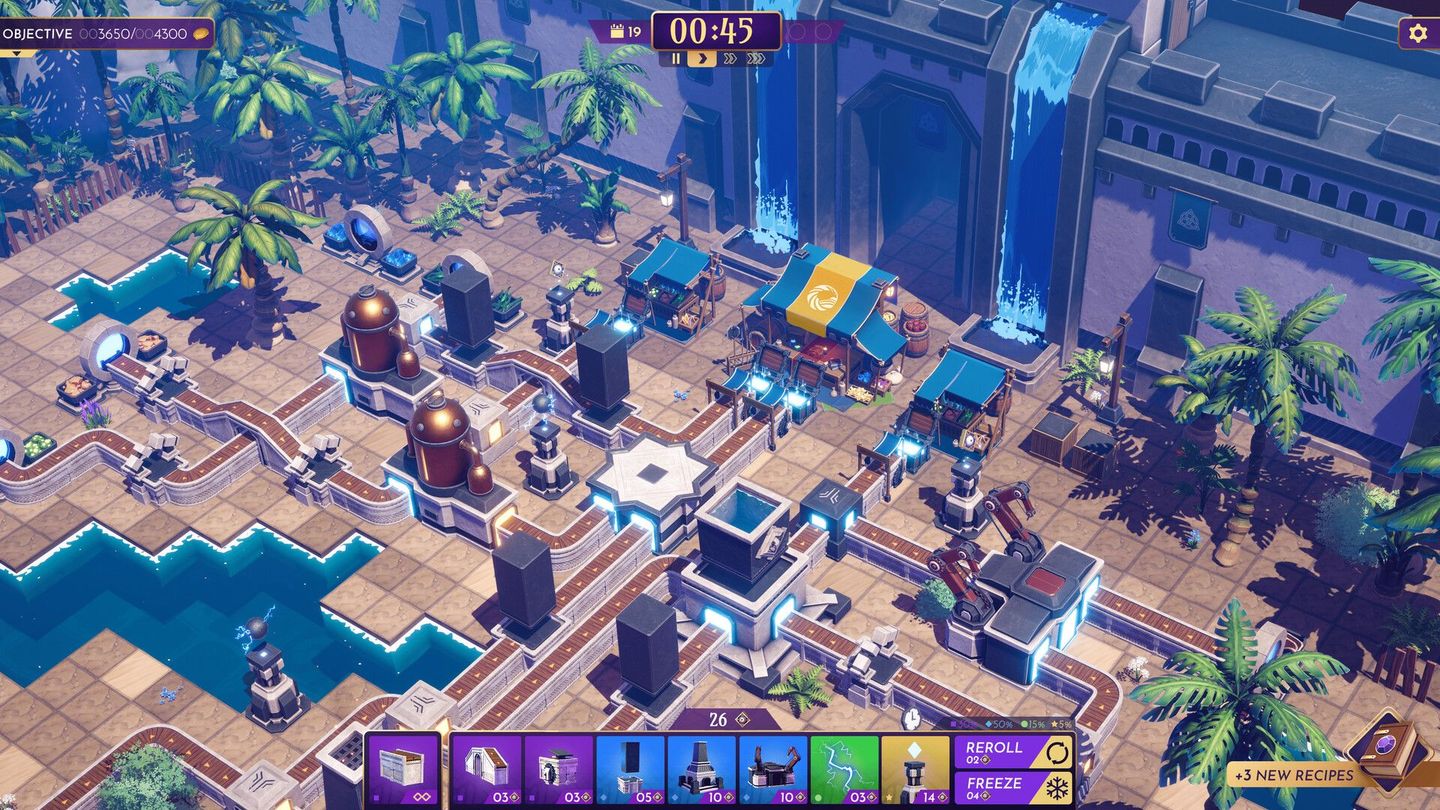
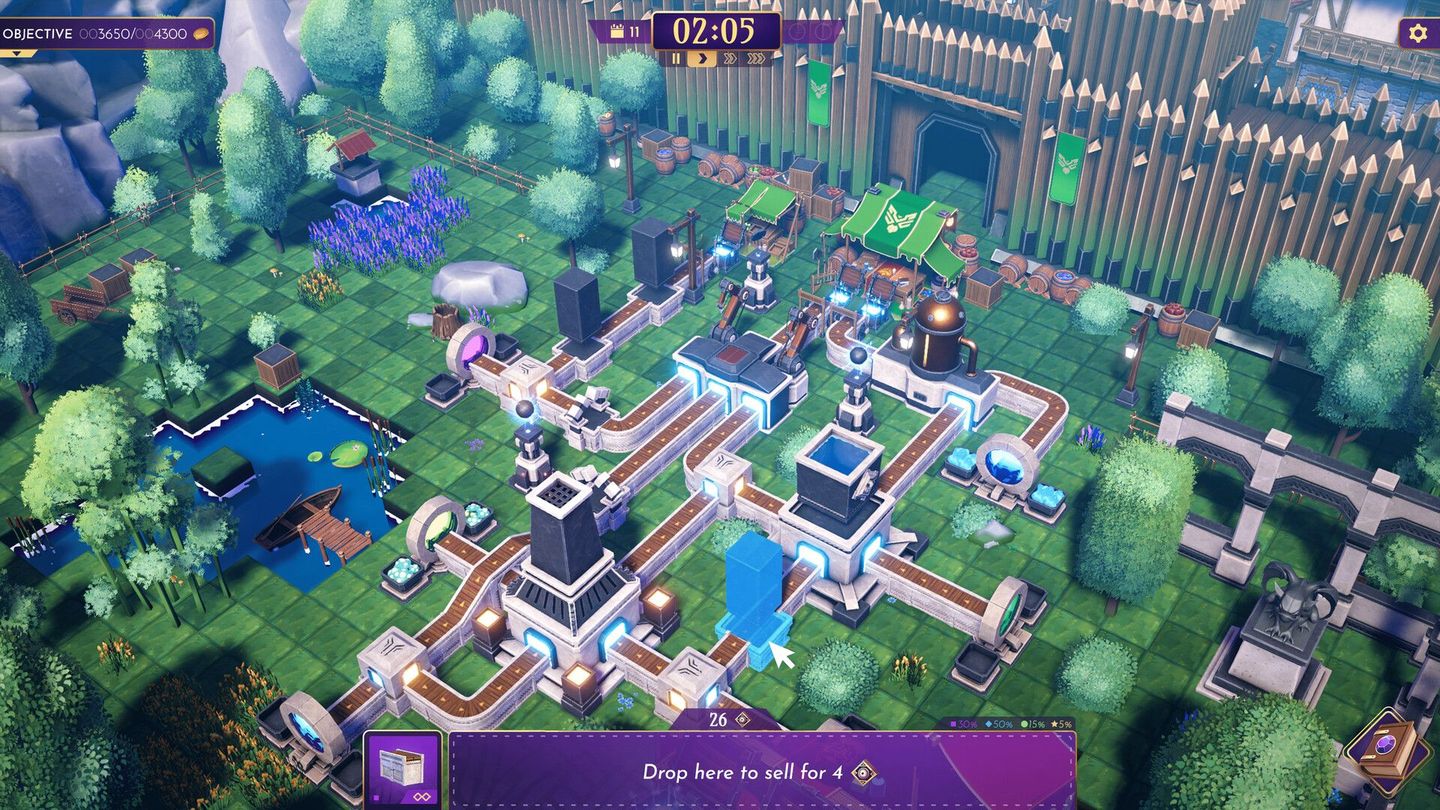
Factomancer leans into the joy of building systems. You connect machines, route resources, and transform inputs into higher-value outputs. The challenge comes not just from the number of pieces you place but from the context the game gives you each run. Maps shift, resource distributions change, and demand evolves, so the chain that worked once might break the next time.
Planning matters, but so does adaptation. You will workshop layouts, compress processes, and prioritize which lines get attention on any given day. Decisions like whether to expand a plot of land or install a new machine can make or break a run, and the Order's objectives force you into trade-offs that feel meaningful.
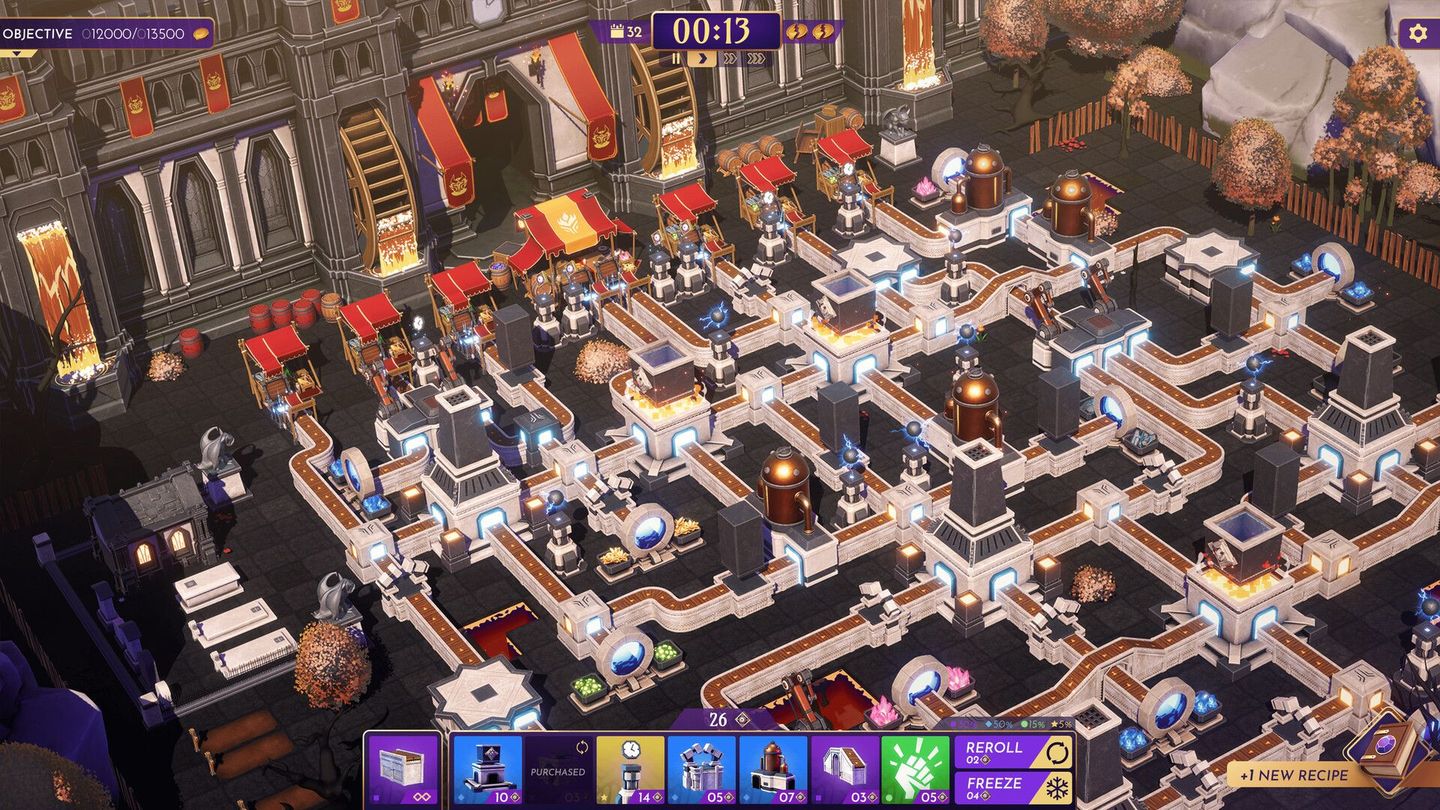
Magic, Relics and Spells as engineering tools
Where most automation games hand you conveyor belts and motors, Factomancer hands you spells and relics. Magic animates your machines, and the Order awards Relics and Spells that alter how your infrastructure behaves. These aren't just power-ups; they change how you approach throughput, transformation, and even terrain.
The Eye of the Order keeps watch as you choose between investing in hardware, exploring new plots, or buying arcane advantages. That choice space - buy a new machine, cast a spell, or take a risk on unfamiliar land - is the heartbeat of the game. It makes planning feel tactical and improvisation feel satisfying.
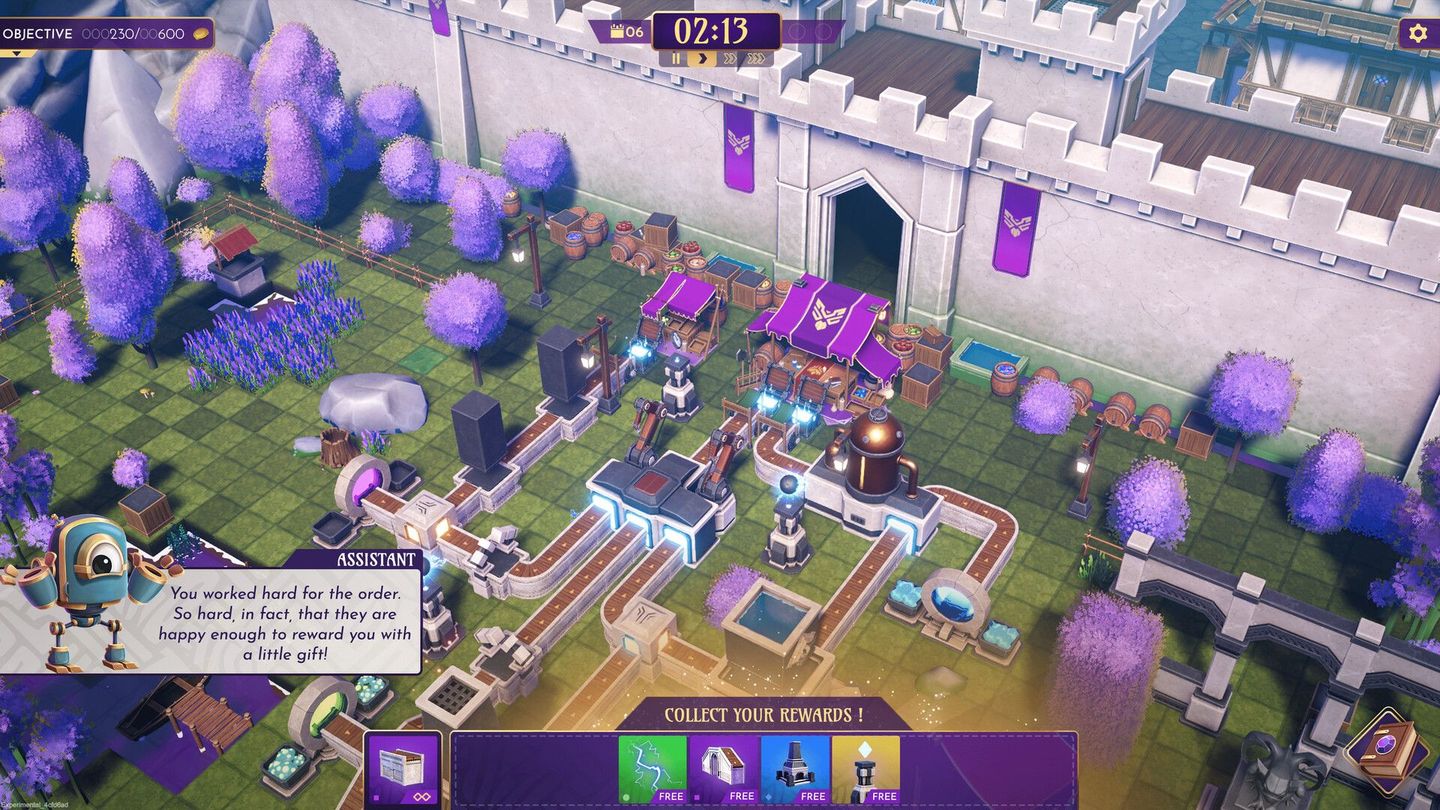
Every run is a race against the clock
Time is a resource in Factomancer. Each mission day is limited, so you must triage tasks, focus on bottlenecks, and keep an eye on changing objectives. Mistakes matter, but the roguelite structure turns failure into knowledge: you start again wiser and better equipped to optimize the next run.
Events will test the robustness of your systems, forcing you to react quickly or accept imperfect results. That pressure makes optimization rewarding; when a revised chain finally hums the way you imagined, it feels earned.
Discover. Upgrade. Optimize. Master.