Step Through a CRT Nightmare: Project Looking Glass Lets a 1963 Experiment Leak Into Your Head
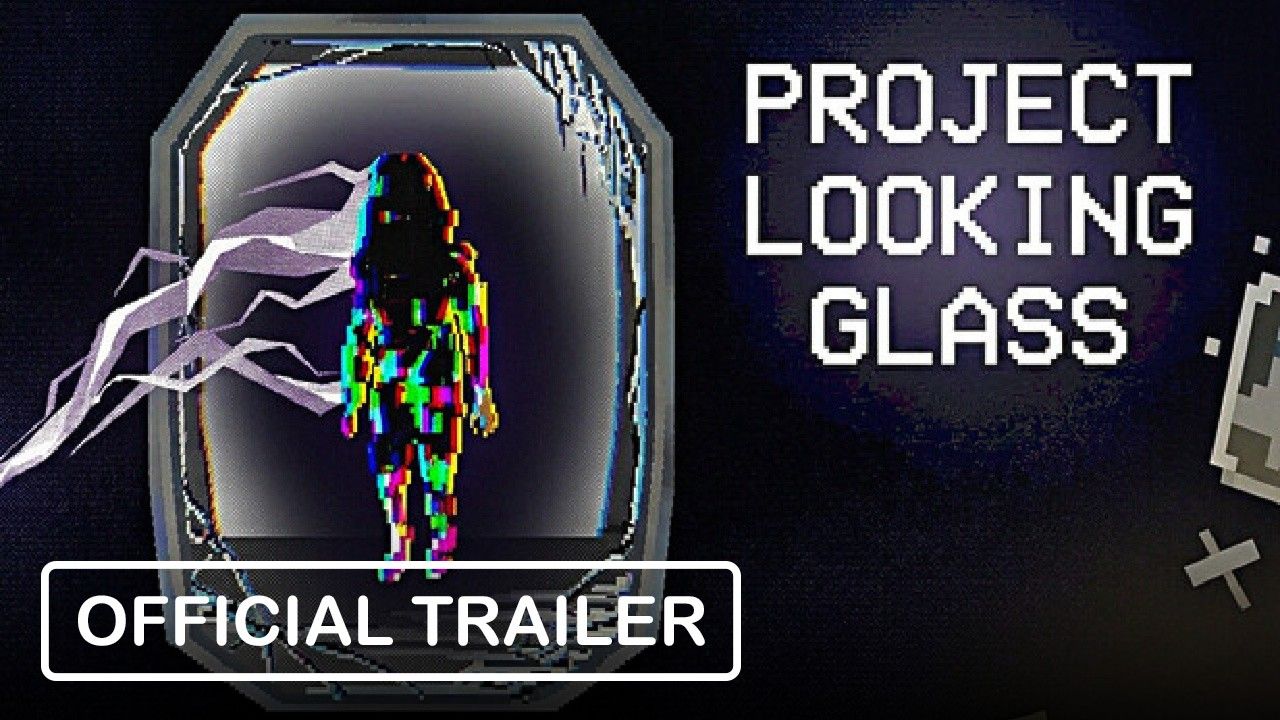
A signal that refuses to die, cathode-glow dreamscapes, and one grieving woman tasked with peering where humans should not. Project Looking Glass is a Cold War psych-horror delivered through old monitors and raw emotion.
Project Looking Glass: A Cold War Signal That Won't Stop
A classified program. A signal that will not stop transmitting. Project Looking Glass frames its horror around a retrofitted scientific curiosity: a hemispheric synchronization apparatus that projects consciousness into an astral plane and displays the results on cathode monitors. You play Subject 7, a grieving woman recruited because she can reach further than anyone before her.
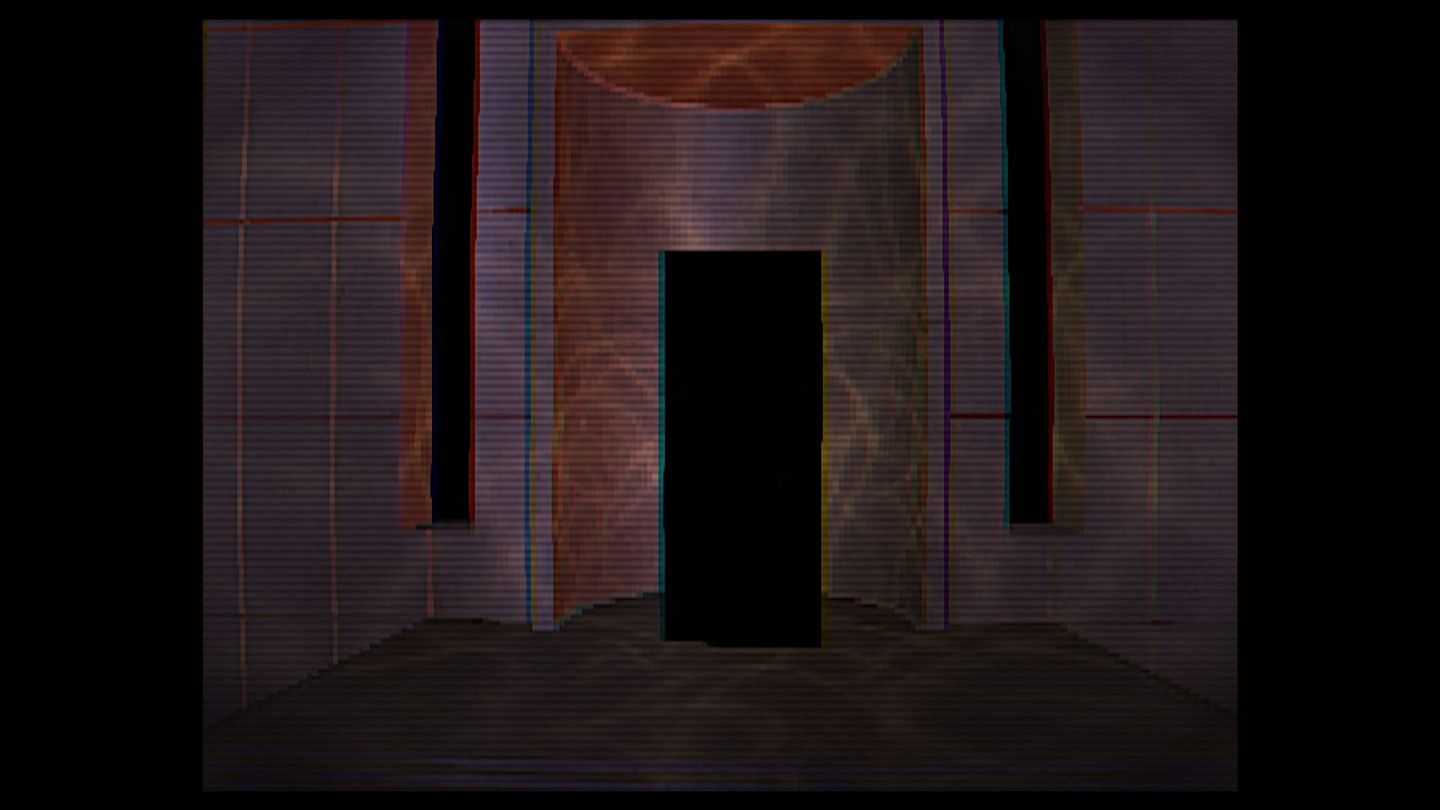
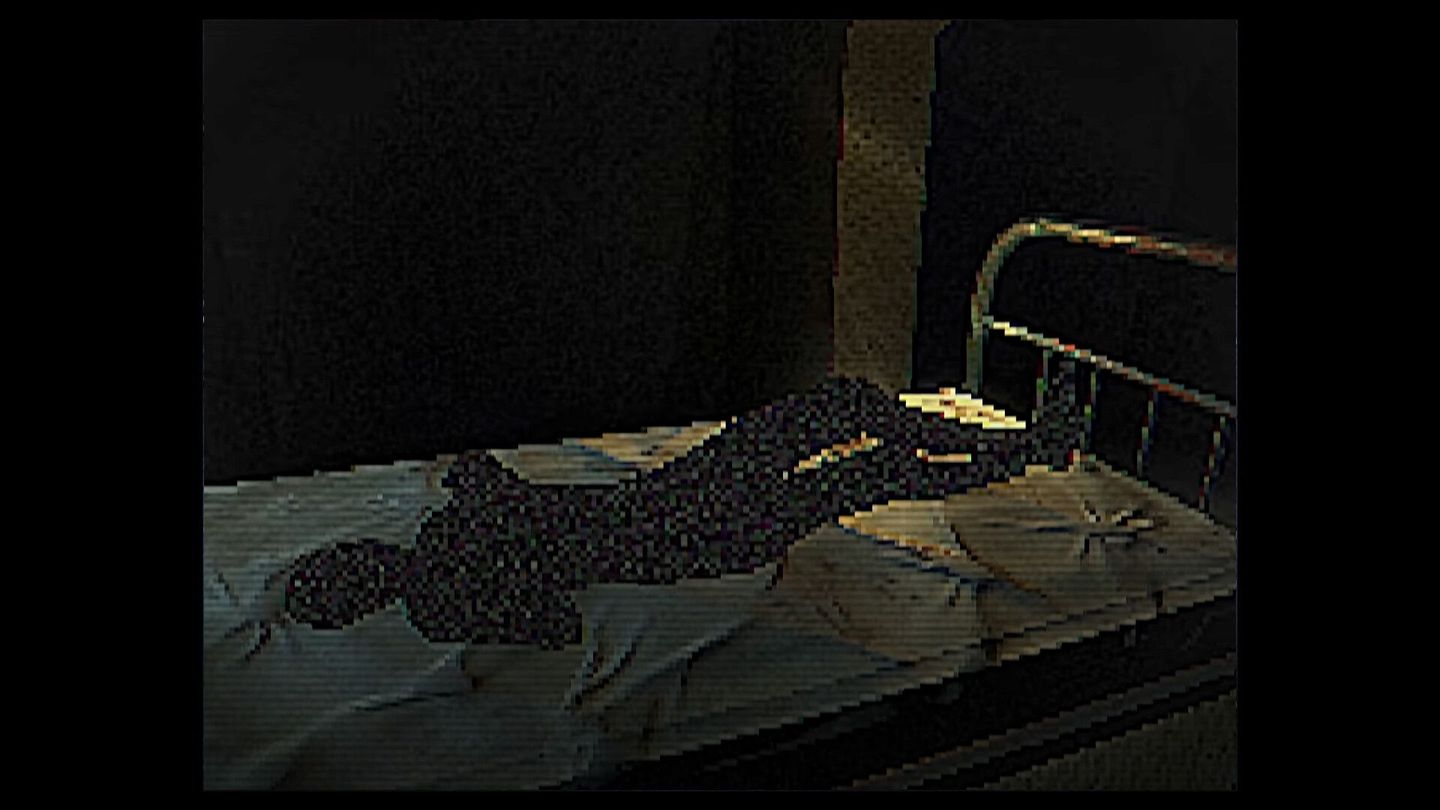
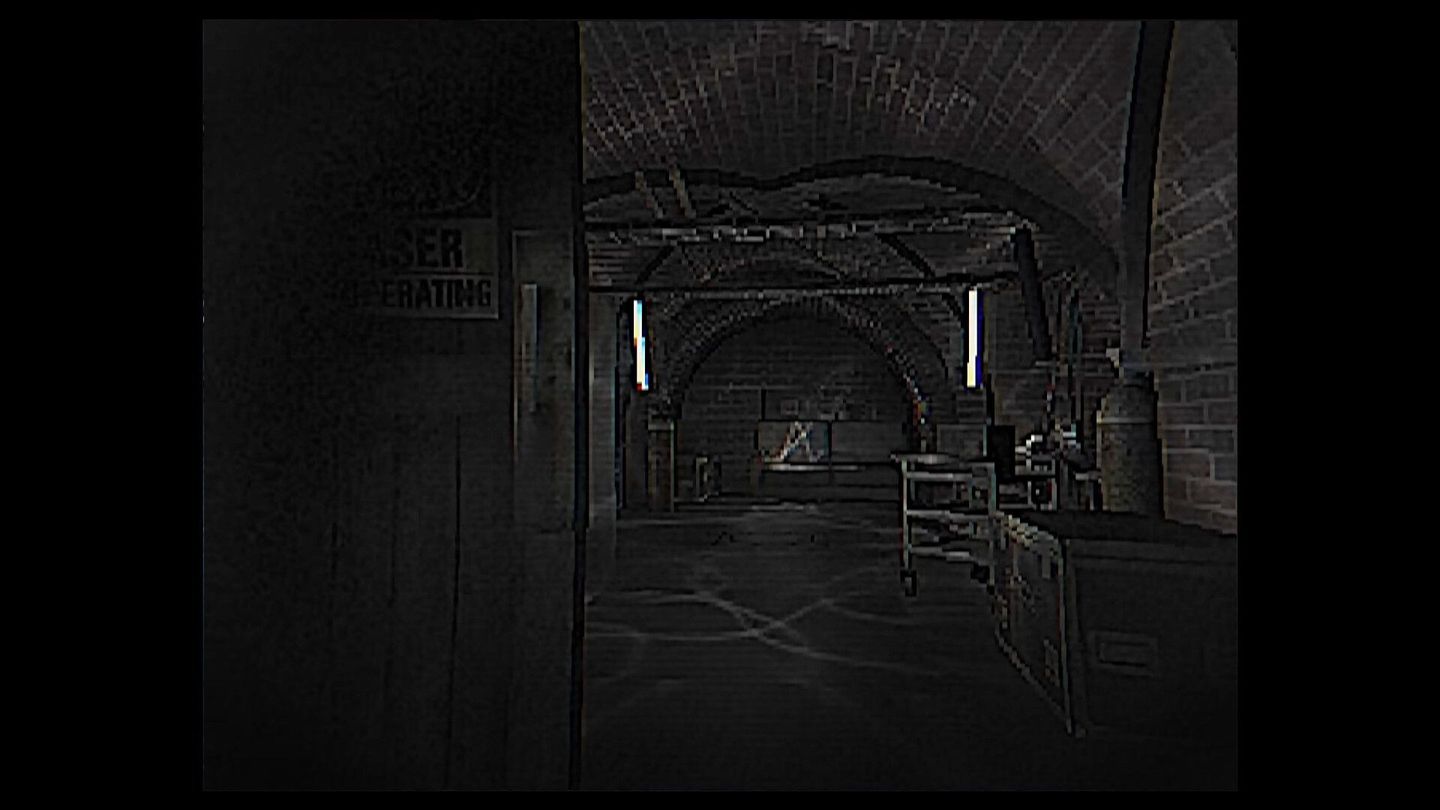
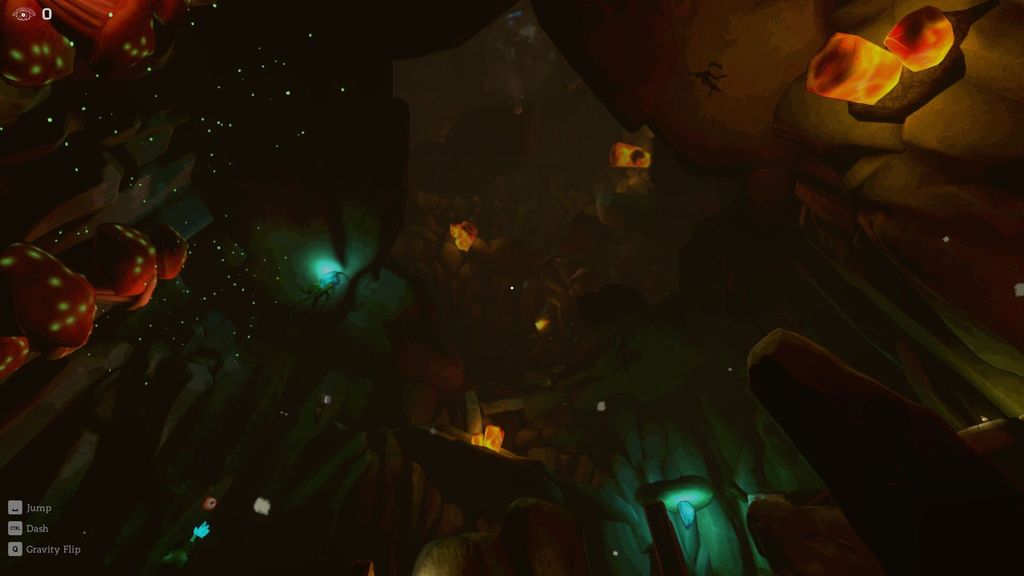
The game pitches itself as a psychological thriller whose tension comes less from jump scares and more from the uneasy intersection of memory, grief, and forbidden reach. Environments are not "real" in any ordinary sense. They are projections-of places, of feelings, of things mankind probably should not have accessed. Navigation feels like walking through a collection of hallucinations rendered with the warm, crackling glow of old CRTs.
The Experiment and Your Role
As Subject 7 you step into feed recordings and astral projections generated by the Looking Glass. The narrative is revealed through recovered audio logs, memos, and snippets left behind in those projections. Your job is exploration and interpretation. Piece together what happened to the program and to you as you move through shifting, sometimes peaceful, sometimes deeply unsettling dreamscapes.
Project Looking Glass keeps the storytelling tactile. Environmental details, static-drowned recordings, and memos act as breadcrumbs. Rather than handing you a neat checklist of objectives, the game asks you to read between the lines of glitch and cathode noise. The result is an investigative rhythm that rewards careful listening and patient observation.
Visuals, Sound and the CRT Aesthetic
The game leans hard into a distinctive low-fi look. Expect CRT effects, VHS-style glitching, and screen-locked textures that make each projection feel like a feed from an analogue apparatus. That visual treatment does more than decorate the levels. It places you inside the device itself, where attenuation, bloom, and static are part of the language of the world.
Audio is a central pillar. Project Looking Glass features an original score and full voice acting, with localized subtitles in 11 languages. Sound design alternates between subtle, eerie ambience and moments of unnerving clarity as logs and voice recordings cut through the noise. Together, image and sound craft an uncanny atmosphere where familiarity warps into something incomprehensible.
Behind the Dev: A Solo Creator's Vision
This is the developer's third solo game. A musician and visual artist by trade, they say they poured their whole heart into making something they themselves would want to play. The influences are upfront and telling: P.T., The Stanley Parable, LSD Dream Simulator, Dreamcore, Subliminal, Petscop, and My House.wad. Those references hint at a blend of experimental structure, narrative ambiguity, and unsettling dream logic.
Project Looking Glass is pitched at players who like mystery with an artistic edge-people who will sit with a static-filled screen and try to map meaning onto interference. It does not promise easy answers. Instead it offers an invitation to step through a looking glass and see what refuses to stop transmitting.
DemonSlime is the pen name of Kaan Hamarat, an indie game enthusiast who enjoys discovering creative projects from small studios. Kaan Hamarat covers new releases, developer updates, and the ideas behind memorable indie games.