
Project Shadowglass
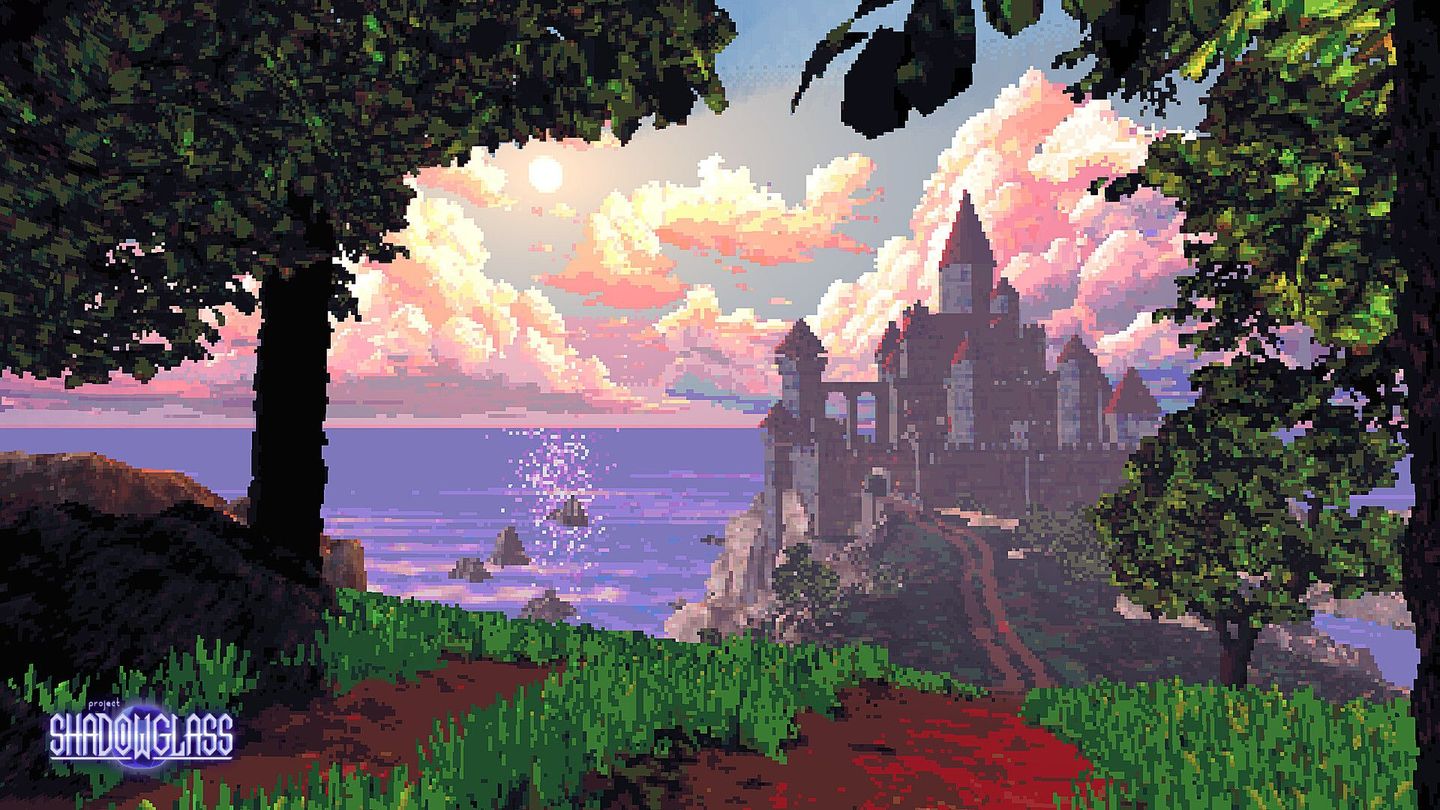
Project Shadowglass is a stealth-first immersive sim set in a dark, seaside kingdom where walls and towers keep the poor out and the rich safely in. It is explicitly a love letter to classics like Thief, Deus Ex, and System Shock, rebuilt around a modern twist: a unique 3D pixel art renderer that runs in real time.
You play a struggling thief hired by an anonymous patron to acquire ancient artifacts hidden across the realm. There is no power fantasy here. You are fragile, alone, and outgunned. Success depends on planning, tools, and making the environment work for you rather than against you. The game leans into long consequences. Citizens and guards remember faces and crimes, so a single messy night can change how every future door, alley, and informant reacts.
Nighttime Heists, Daytime Planning
The loop is simple in description and complex in execution. By day you return to a cramped flat in the slums. Spend gold on tools, upgrade a hidden workshop, research recipes and components, and gather intel on your next target. You choose when to act and how much preparation to invest. That choice matters.
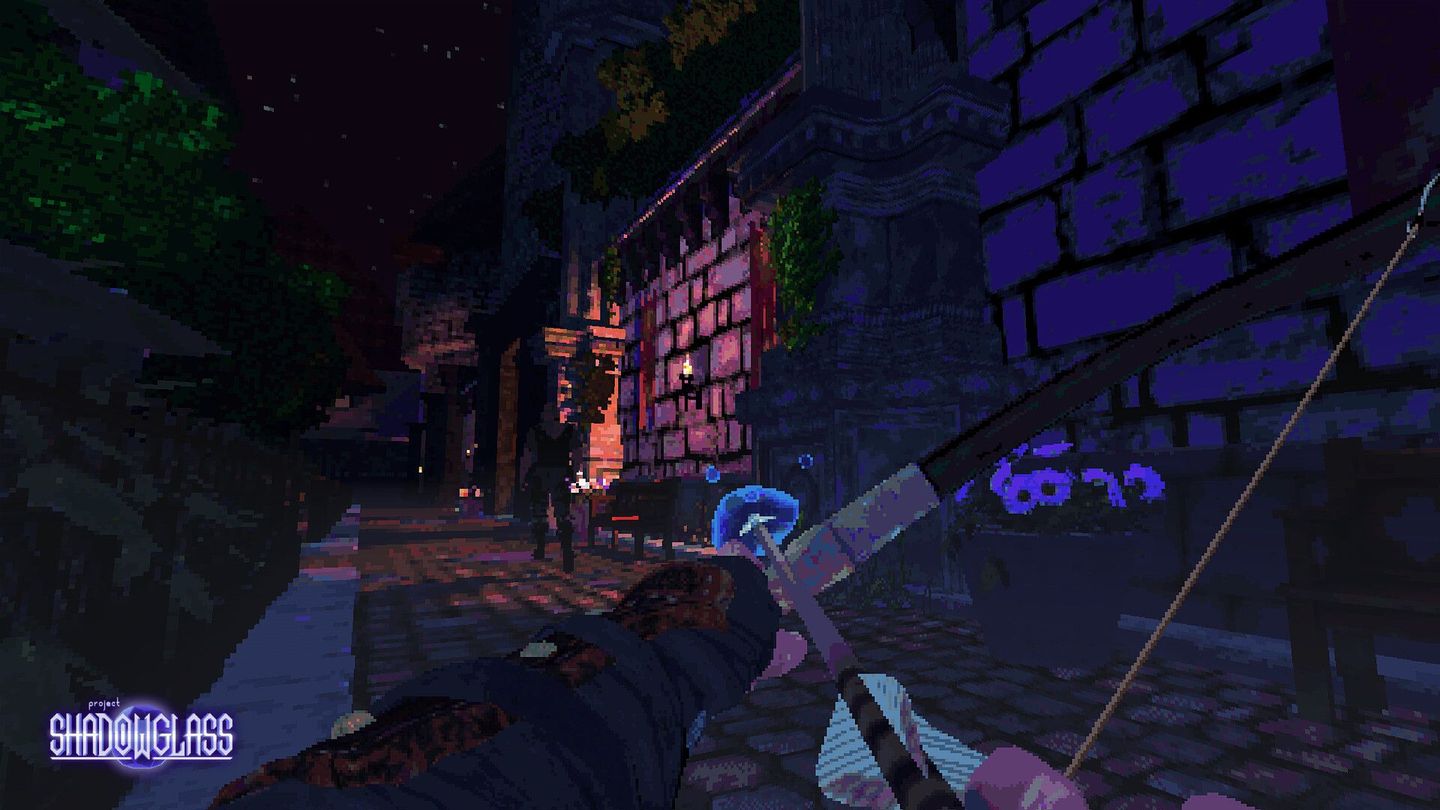
By night, you infiltrate. Movement is deliberate. Light and sound are your primary currencies. Hide in shadows, walk on quiet surfaces, or learn patrol patterns to slip by. You can pick locks, lift keys, climb to forbidden ledges, and use distractions to thin a guard line. The sandbox approach means multiple routes and solutions are possible for any given heist.
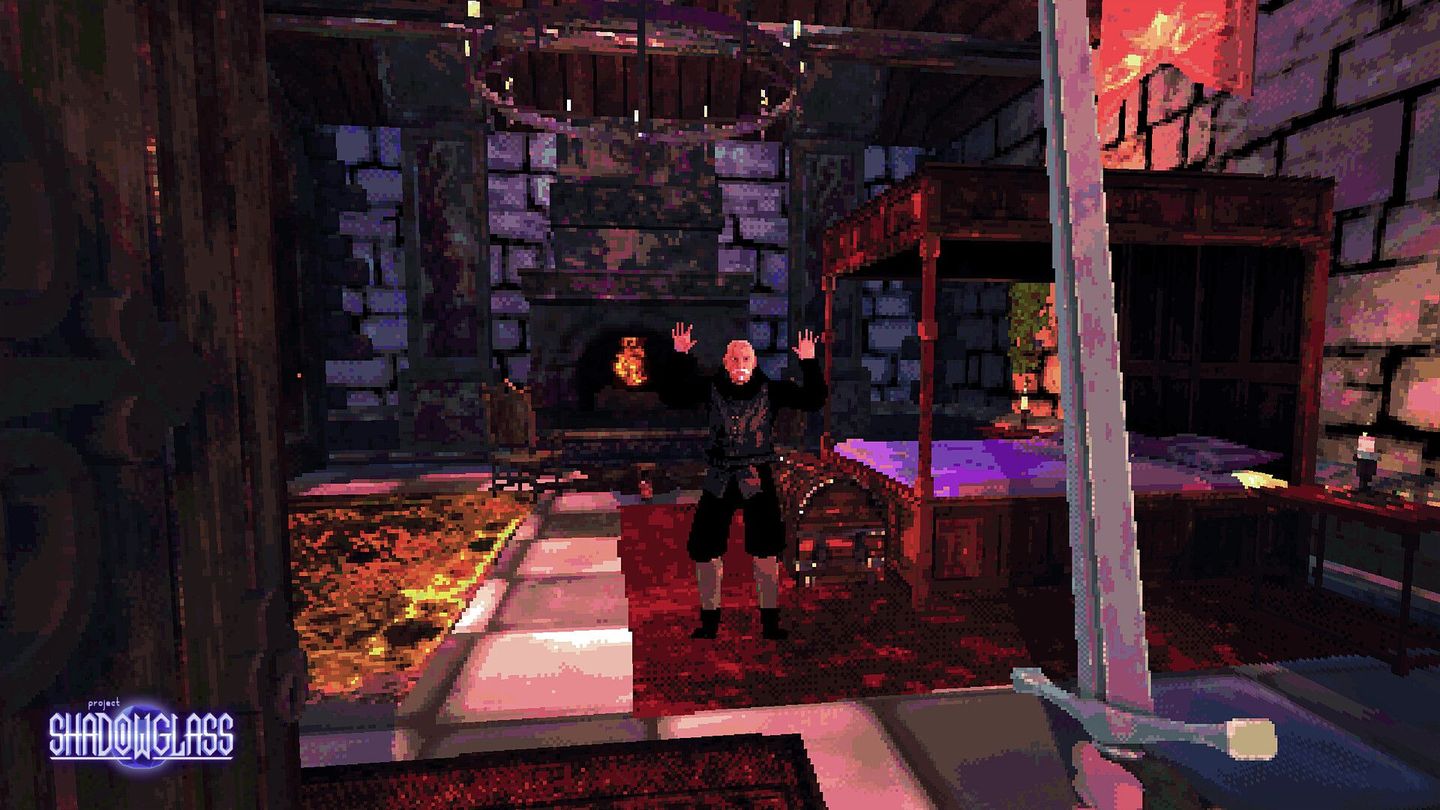
Light, Sound and Consequences
Project Shadowglass doubles down on consequence. Every person you meet has a name and a memory. Get sloppy and you will be tracked. Security escalates based on the severity of your crimes. Kill a guard and you risk becoming known as a murderer, a status that makes citizens flee and guards hunt more aggressively. Get caught alive and the game forces a new challenge: escape from jail.
The systems are built to reward finesse. Hide bodies, erase evidence, douse torches, and manipulate the environment to stay invisible. But if things go wrong you may face tile-savage melee fights, desperate chases across rooftops, or being forced to lie low for days. Magical security systems and traps add another layer of complexity that pushes you to think beyond brute force.
3D Pixel Art and Technology
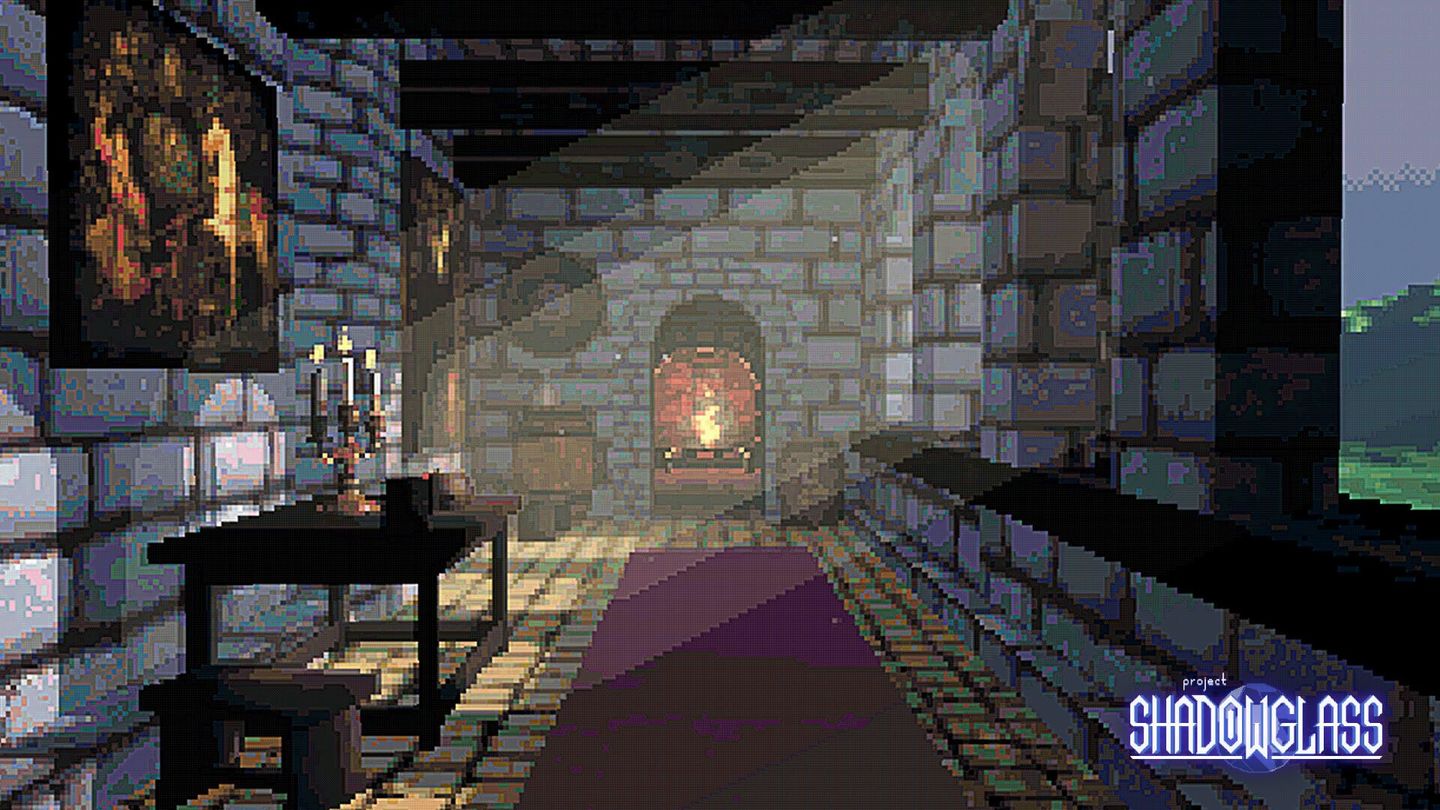
Project Shadowglass renders nostalgic pixel aesthetics in full 3D space. The developers say this is the first game built with their new approach to deliver smooth 360 freedom while retaining a pixelated look. All screenshots and footage have been captured in-engine in real time, which suggests the visual style is more than a filter. It is part of how the game sells mood and distance, and how shadows and lighting become gameplay elements rather than mere decoration.
Progression, Crafting and Player Skill
Progression is earned, not granted. You do not unlock supernatural powers. Instead you gain knowledge, improved tools, and recipes that expand your workshop and stealth options. Learn new components to craft distractions, lockpicks, or devices that alter guard patterns. The reward comes from becoming more skillful and clever, from noticing patterns and exploiting secrets hidden in plain sight.
Challenges include heavily armed guards, magical locks that require codes to crack, deadly heights, and loud, obvious entry points that tempt you but often fail the stealth test. The freedom to plan when and how to act is central. Each successful heist should feel like a puzzle you solved yourself.
Where It Stands
Project Shadowglass is currently in early development. The team is asking players to wishlist and follow for updates as they continue building mechanics, environments, and the tech behind the 3D pixel art. System requirements and content are subject to change during development.