

Modulus: Factory Automation
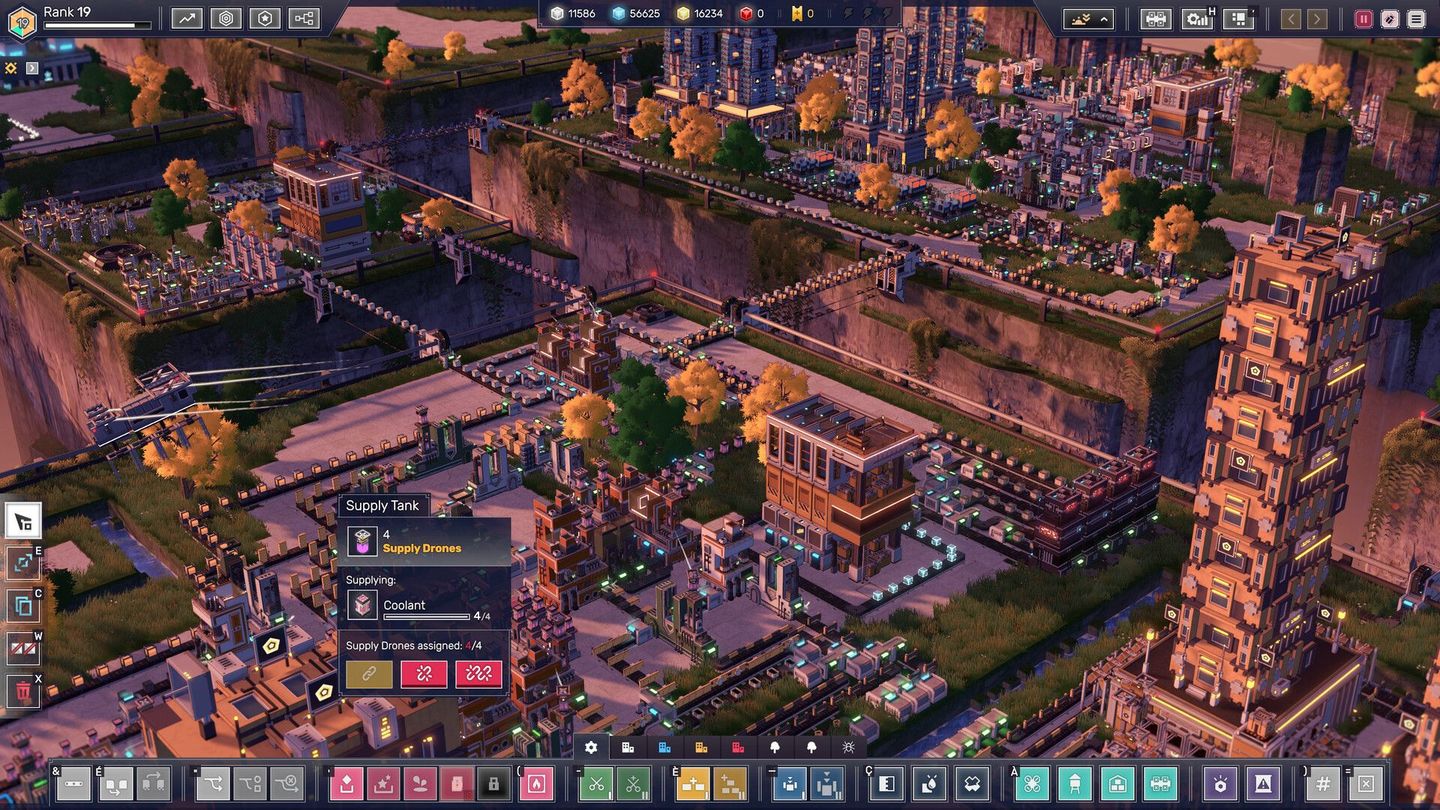
Modulus hands you the raw parts of a factory and the tools to turn them into something purposeful and personal. This is a sandbox about design as much as optimization. You cut, paint, stamp, and assemble 3D building blocks called modules, then chain them into production lines that are as much a display of engineering as they are solutions to logistics puzzles.
There are no enemies, no combat, and no timers. Instead the game rewards patience, iteration, and the quiet joy of systems that hum along exactly as you intended.
Modular Engineering Tools
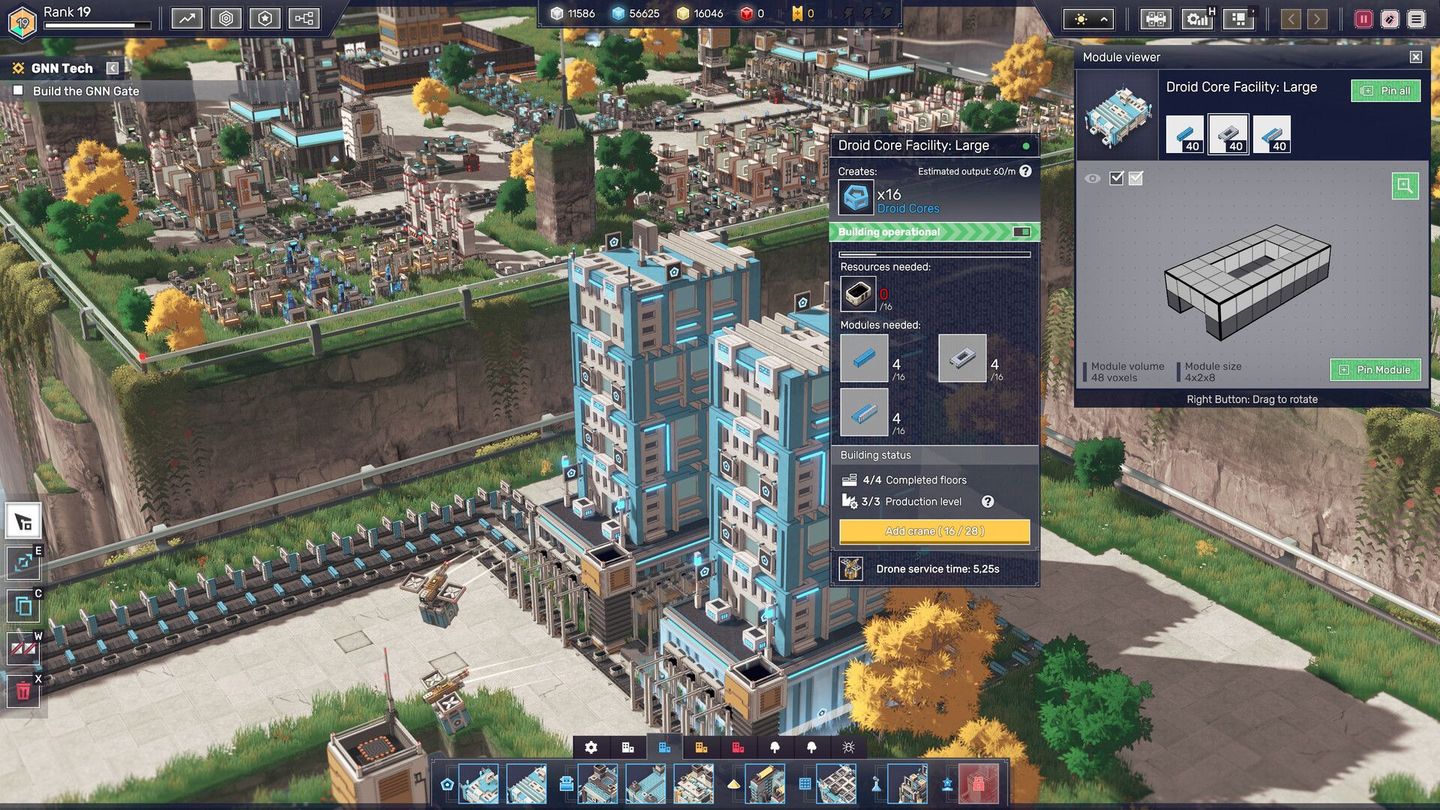
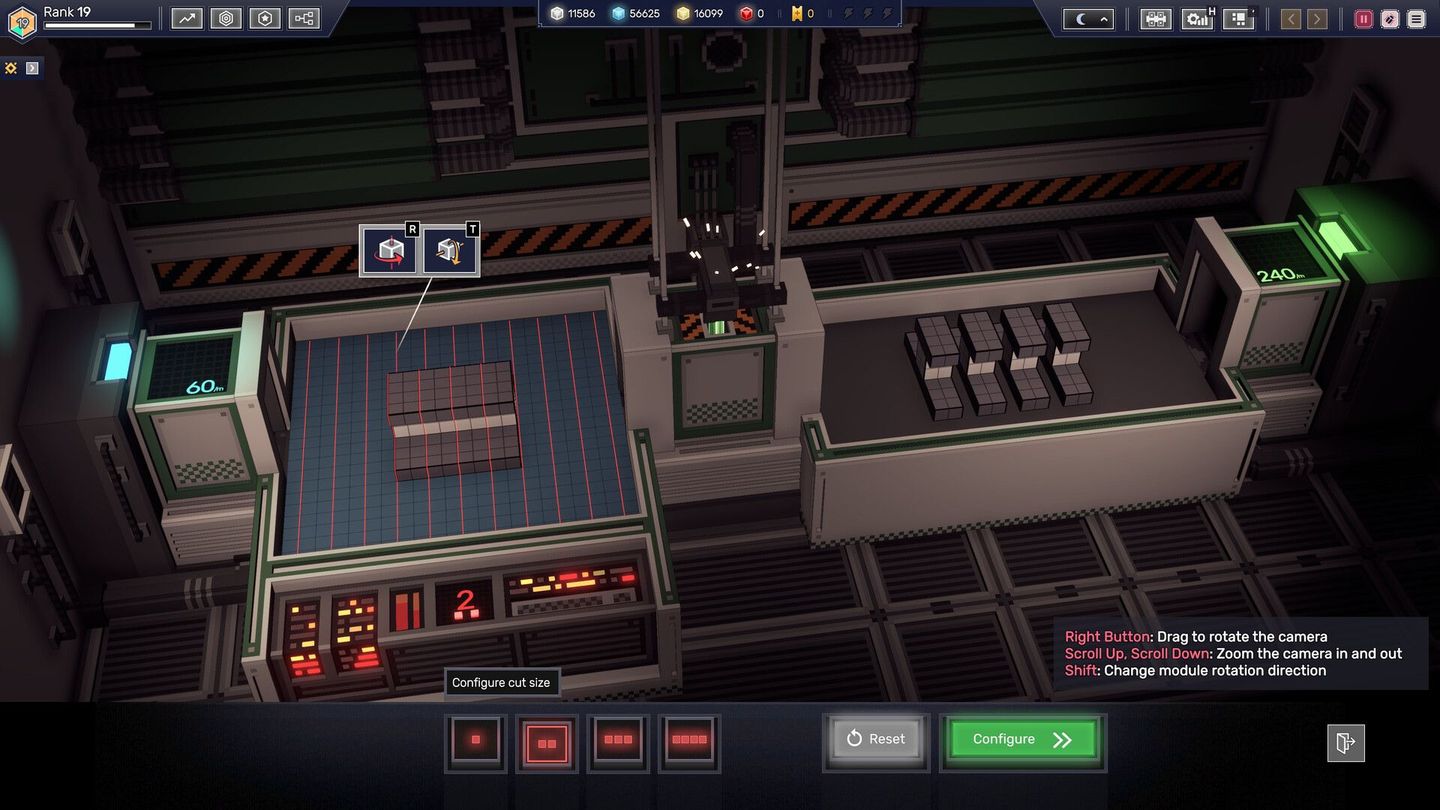
At the heart of Modulus is modularity. Modules are not abstract resources. Every piece you craft becomes a visible element of a structure that grows in real time. The toolkit is tactile and creative. You manipulate geometry, apply paint and stamps, and attach functional elements to create parts that behave exactly how you design them.
The game encourages multiple approaches. Simple problems can be solved with straightforward parts and routing. Complex goals push you to combine logic, scaling strategies, and inventive module design. There is no single correct layout. The reward lies in finding an elegant, efficient, or simply beautiful approach that matches your taste.
Creative Mode and Playstyles
Modulus offers a dedicated Creative Mode for players who want to build without constraints. Full access to tools, paint options, expanded module sizes, and unlimited resources lets you treat the grid like a canvas. Whether you are stress testing a production loop, designing voxel art, or inventing hardware that would never be practical in gameplay, Creative Mode removes goals and lets exploration lead.
For puzzle-minded players the main experience provides a steady progression in complexity. Start with basic resources, learn the core systems, then unlock new mechanics and tools as demands grow. The game is deliberately low pressure, focused on experimentation and incremental mastery rather than speed runs or score chasing.
The Grand Neural Network and Neural Monuments
There is a narrative thread woven through the building. Your factory was programmed by the Colony to supply bots with relentless efficiency. Then a signal from deep space arrives. The Grand Neural Network is calling. To connect you must construct Neural Monuments: vast, intricate structures that test the limits of your engineering and scaling automation strategies.
Those monuments become the ultimate expression of the systems you have developed. They ask you to think about logic at scale, to consider throughput and aesthetics together, and to push your modular designs until they form something monumental. As you build, the game nudges at questions of purpose and agency, one module at a time.
Who is this for?
Modulus will click for players who enjoy the intersection of engineering and aesthetics. If you like base building, resource logistics, puzzle solving, or simply creating tidy systems that look good on the grid, this is a studio-friendly sandbox that respects both craft and curiosity. The lack of combat and timers makes it approachable for relaxed sessions while still offering deep challenges for players who want to optimize at scale.