
Long Gone: A Lo-Fi Suburb Full of Secrets and a Cat

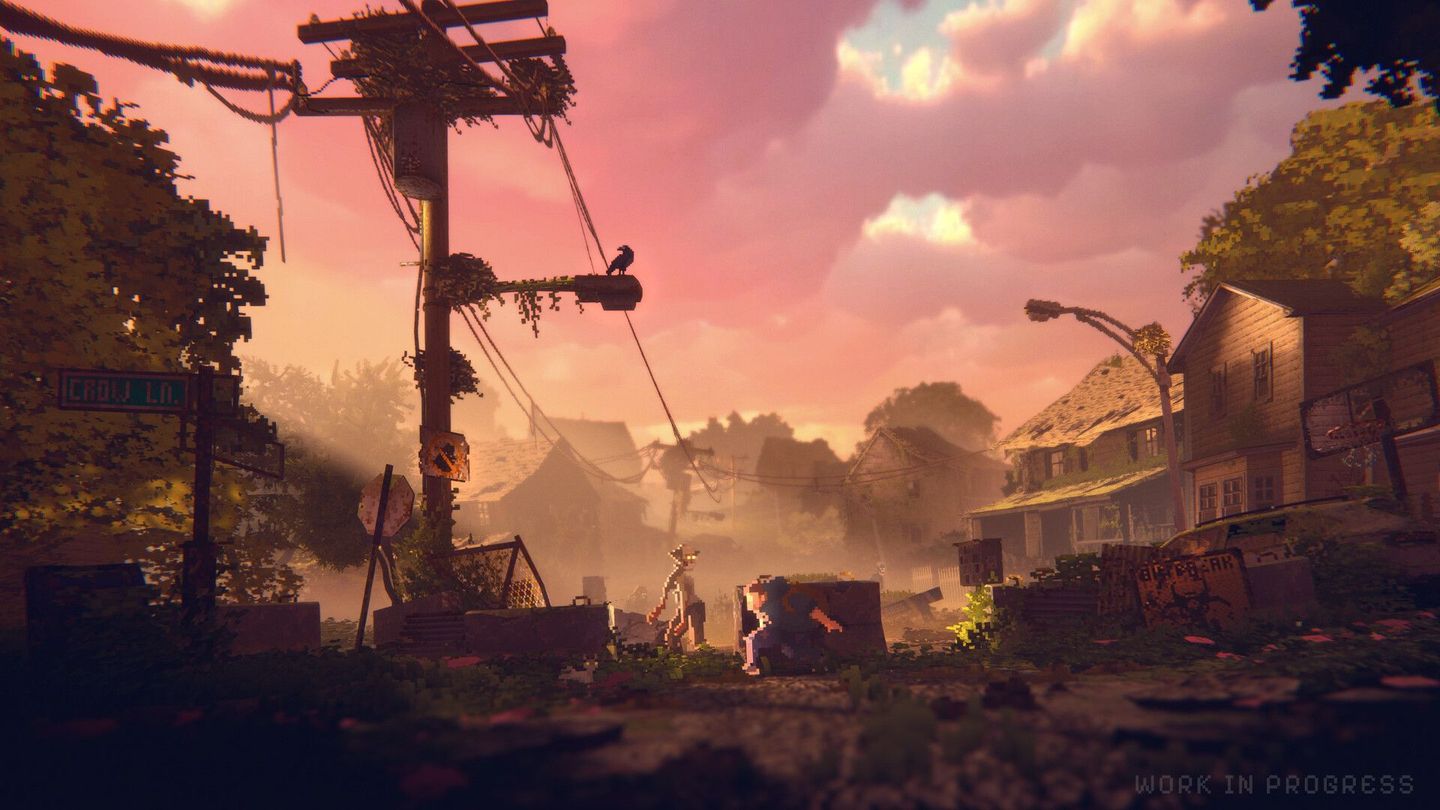
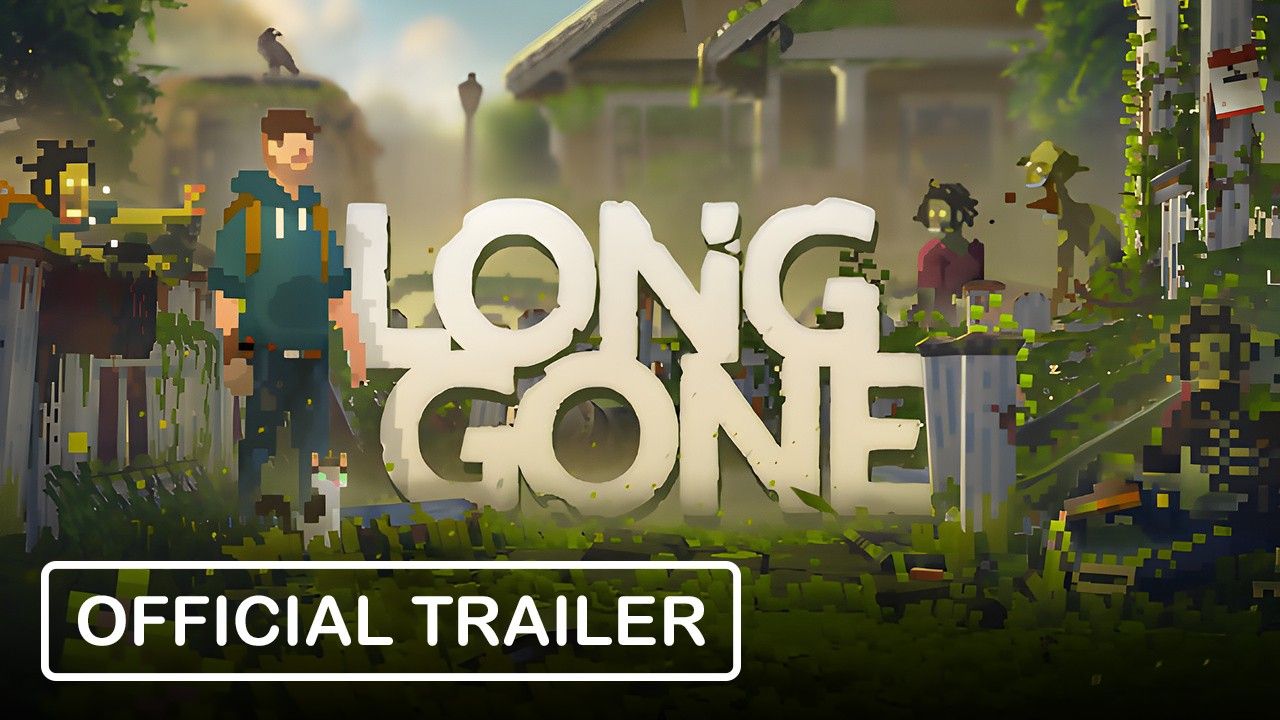
In Long Gone the environment does most of the talking. Developers have turned a decayed suburban neighborhood into the game's protagonist: overgrown lawns, collapsing streets, and mid-century interiors left frozen in time. Your job is to tiptoe through the remnants of Corvid Hills, rummage through other people's belongings, and stitch together the fragile human stories tucked into drawers, shoeboxes and photo albums.
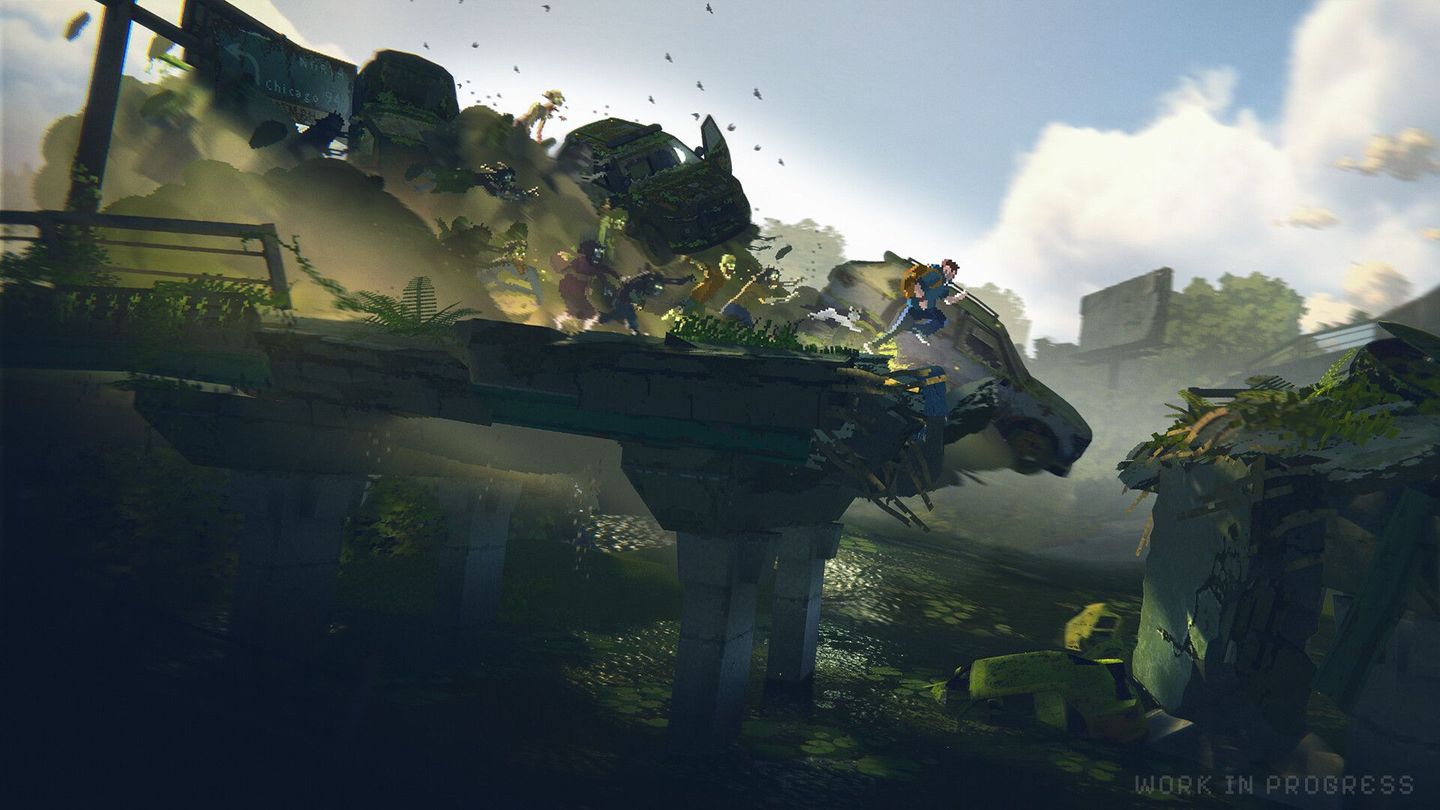
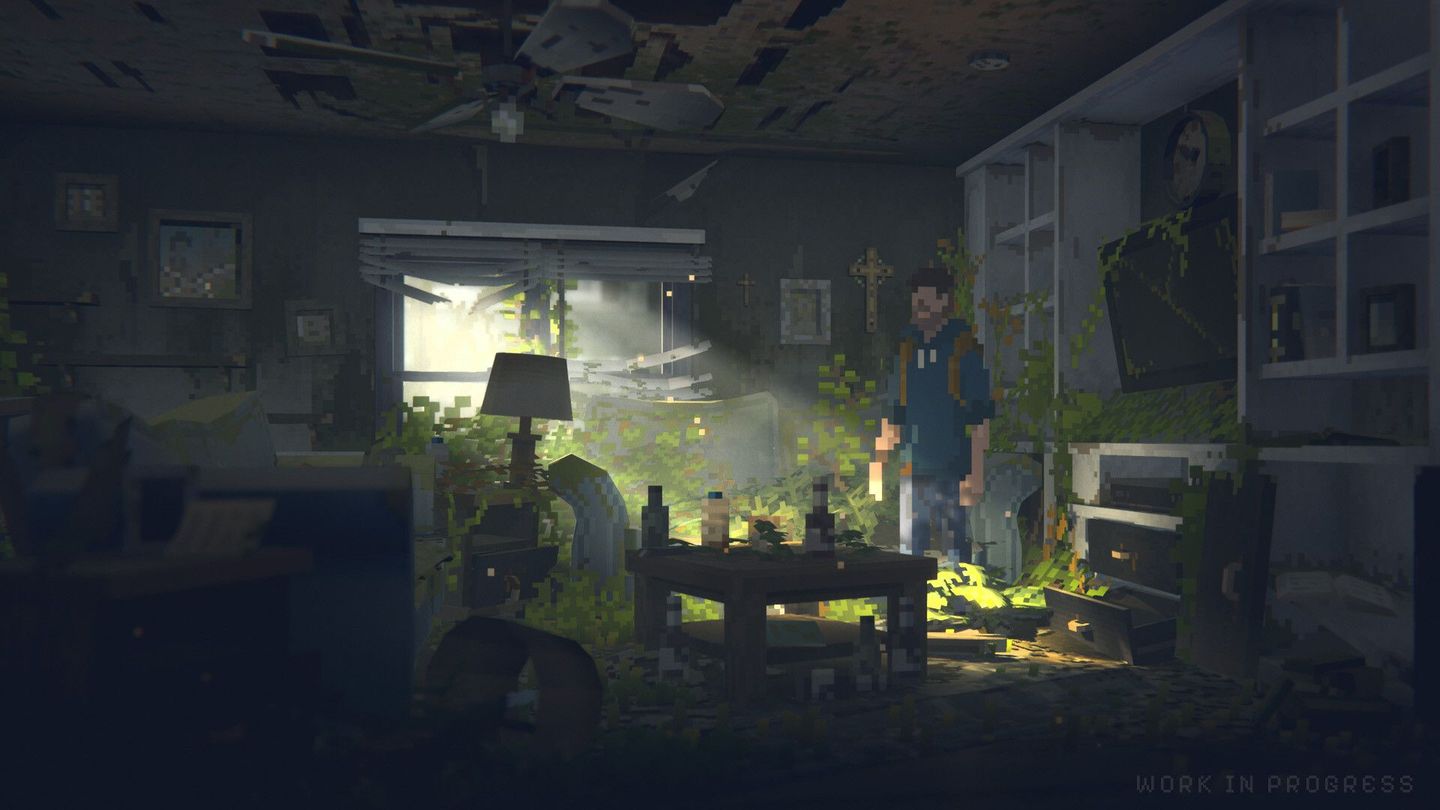
It is quiet exploration with texture. Every object you pick up, read or combine reveals a sliver of life that once was. Sometimes those slivers are tragic. Sometimes they are outright ridiculous. Either way they build a surprisingly intimate tapestry about the people who lived here before the world closed up shop.

  Long Gone screenshot 2  

Explore Corvid Hills

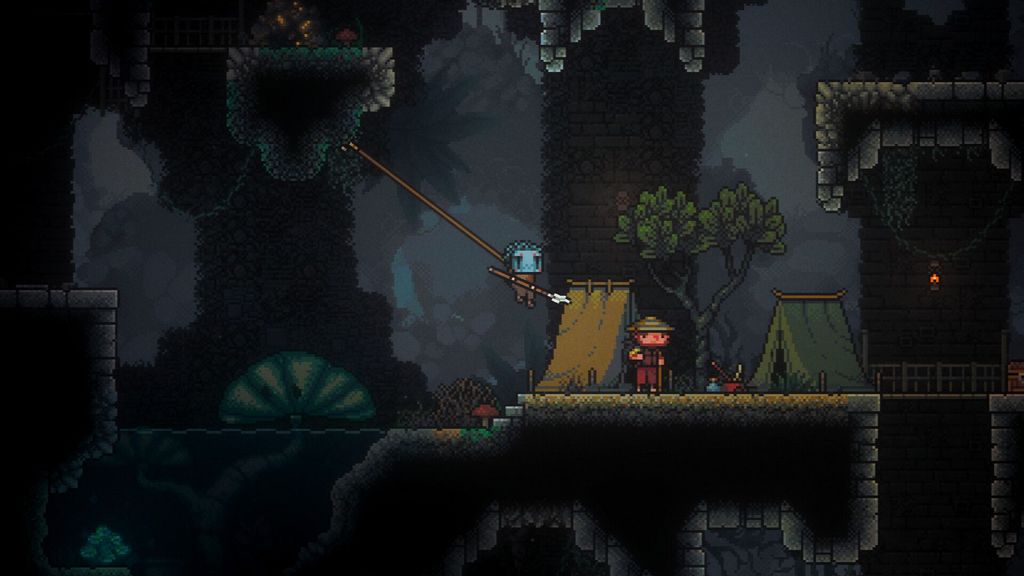
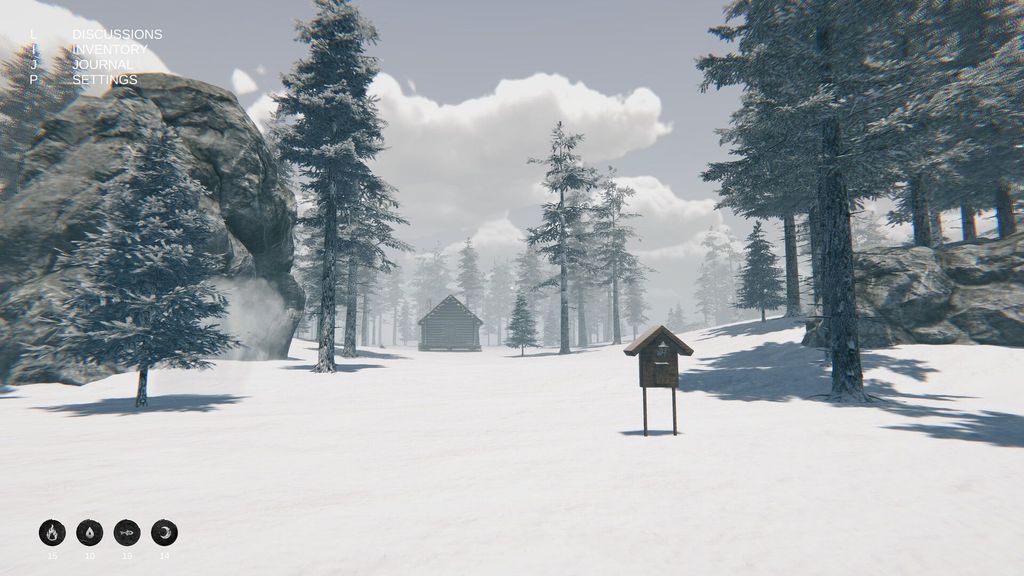
Long Gone blends slow, reflective narrative with light platforming. Streets are presented in 2.5D where you navigate cracked pavement, toppled fences and rooftops that want to collapse under your boots. Houses open into fully 3D interiors where you can poke through every cupboard, cabinet and drawer.

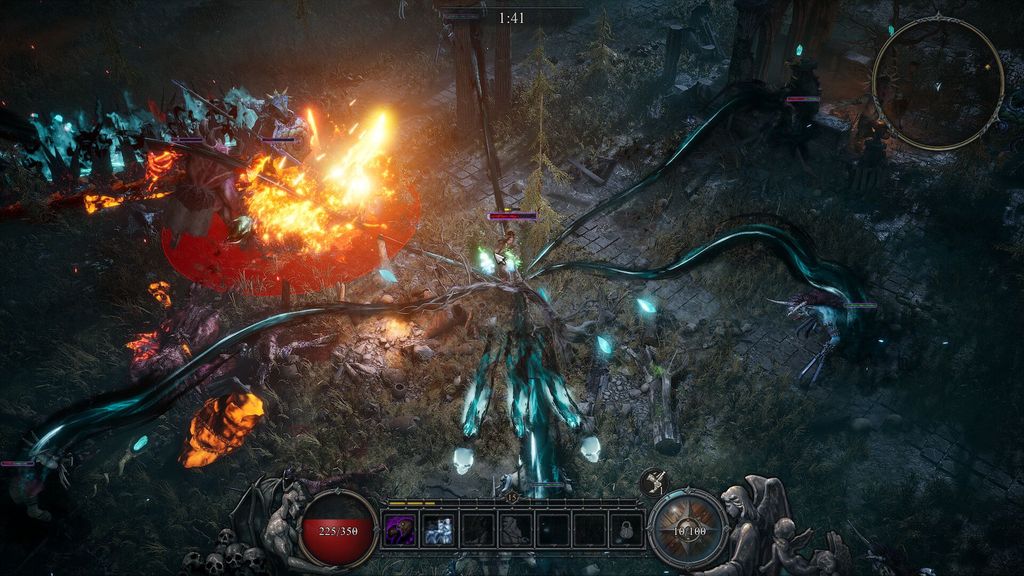
There is no shooter mentality here. Combat is not the point. Instead every zombie sighting becomes tactical and environmental - a puzzle to work around rather than a fight to win. That decision creates tension without turning exploration into an action spectacle. The mood stays intimate and investigative.

  Long Gone screenshot 3  

Your Cat, Not Just Decoration

You are not alone. A small cat accompanies you through the neighborhood, helping sniff out dangers, locate hidden paths and nudge you toward secrets. The cat is useful and also absolutely pettable. That simple interaction gives the journey a humanizing thread, a reminder that small comforts persist even in strange, abandoned places.

The cat can alert you to hazards and sometimes leads you into solutions. It also adds a consistent companion voice to what might otherwise be a solitary, text-heavy experience.

  Long Gone screenshot 4  

Puzzles, Items and an Old-School Adventure Feel

Long Gone wears its point-and-click inspiration proudly. Investigation is fully interactive: you can take most things that look like they fit in your pack, read notes, combine items, and experiment with found objects. Not everything is useful for progression, but every object is meaningful for storytelling. The result is a granular, tactile loop of discovery that rewards curiosity.

Zombies are present but slow. Their inclusion is less about combat and more about creating obstacles and little micro-puzzles you must outthink. Platforming sections and environmental puzzles ask you to use items, the landscape and your cat to get through. Controls are designed to work with controller or mouse and keyboard, and the world is presented in a lo-fi 3D pixel aesthetic that feels warm and melancholic rather than grim.


Kooky Survivors and Quiet Revelations

As you dig through Corvid Hills you will find other living holdouts and clues to the fates of its vanished residents. The tone tilts between gently tragic and occasionally absurd, which keeps the exploration emotionally varied. The core promise here is discovery: the pleasure of uncovering small, human details stitched into the environment, and the slow assembling of a neighborhood's story from its remnants.

Long Gone looks built for players who like to take their time, poke into every corner, and let a cat lead them to the next strange fiber of someone else's life.


➡️ Check out Long Gone now on Steam