
Grey Legend: Survivors
Grey Legend: Survivors puts you in charge of a half dozen people trying to salvage the best of humanity twenty years after an alien-triggered collapse. On the surface it looks like a tactical RPG with base building and roguelite progression. Underneath that is a social simulation that treats characters as people with beliefs, goals and moods, not just as collections of skills and hit points.
The world is brittle. The alien visitors promised a New Era, then everything fell apart. Now the invaders linger in orbit while their mothership is being retrofitted for landing. Meanwhile human communities scavenge technology, rebuild settlements and try not to repeat the mistakes of the past. Your job is to shepherd a group through that chaos, balancing survival tasks against emotional realities.
Characters that act like people
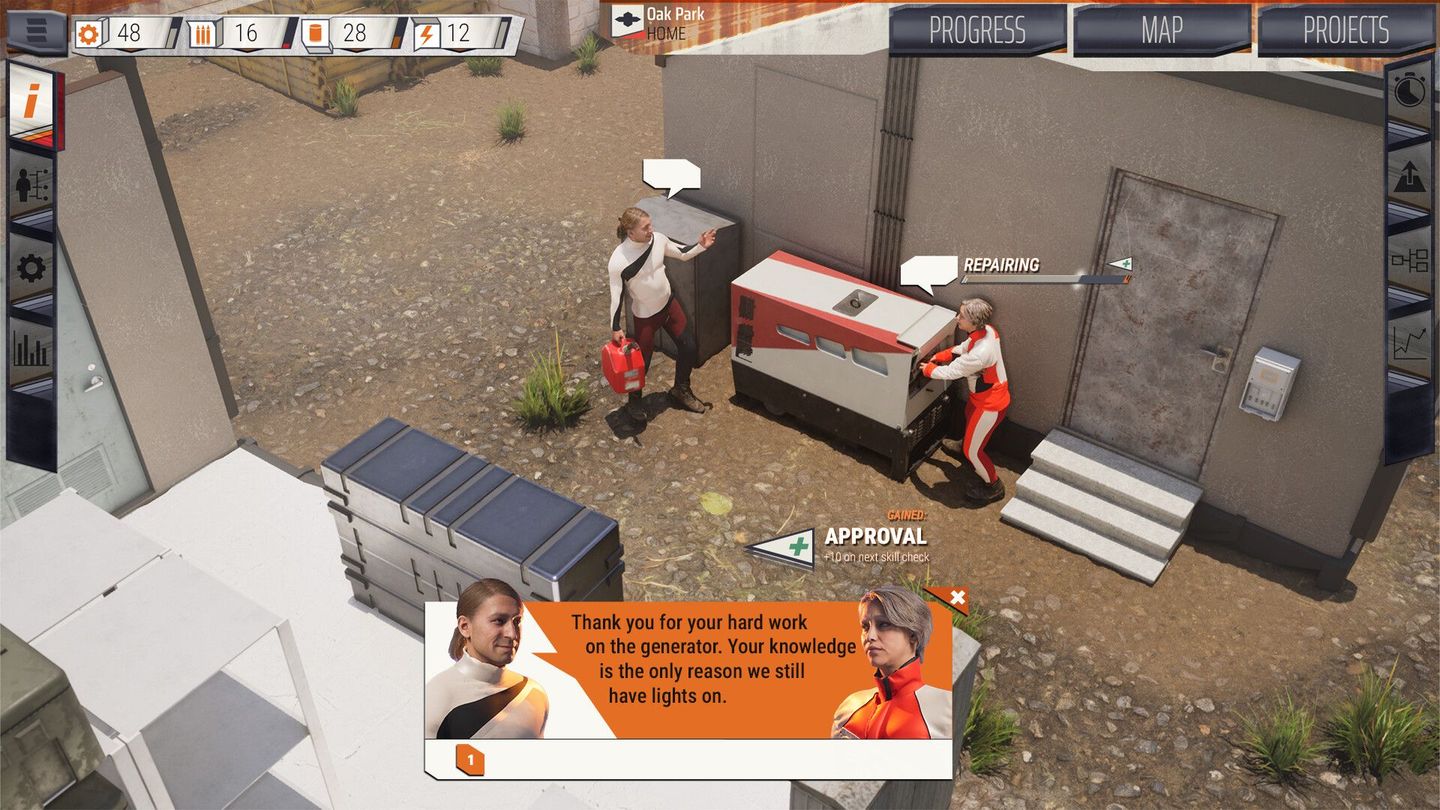
Grey Legend leans hard into character simulation. Survivors have procedurally generated dialogue that actually affects gameplay. Their personalities influence how they respond to stress, tedious chores and danger. Assign the workaholic to the research bench and they may thrive. Force them into constant danger and they may crack. Pair two loners together and they might become an effective duo or retreat into their own world, leaving others isolated.
That design choice changes the feel of every decision. Recruitment, task assignments and trade-offs are less about min-maxing and more about managing relationships. Bonding, rivalries and friendship dynamics can create reliable combat pairs or sabotage an otherwise stable base. The game makes interpersonal chaos a system to work with, not just a source of flavor.
Three interconnected layers of play
The game is structured around three linked systems where character management sits at the center:
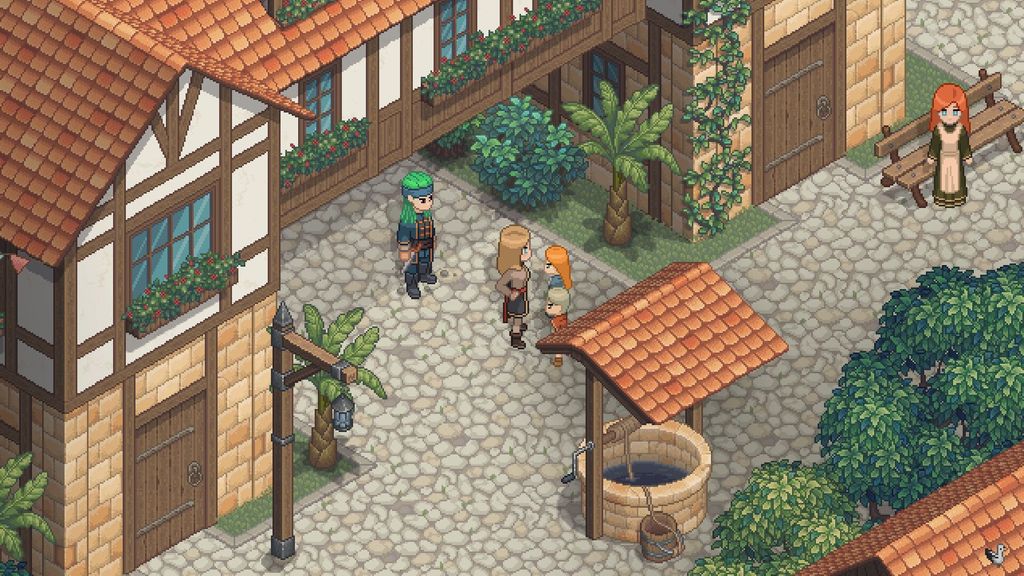
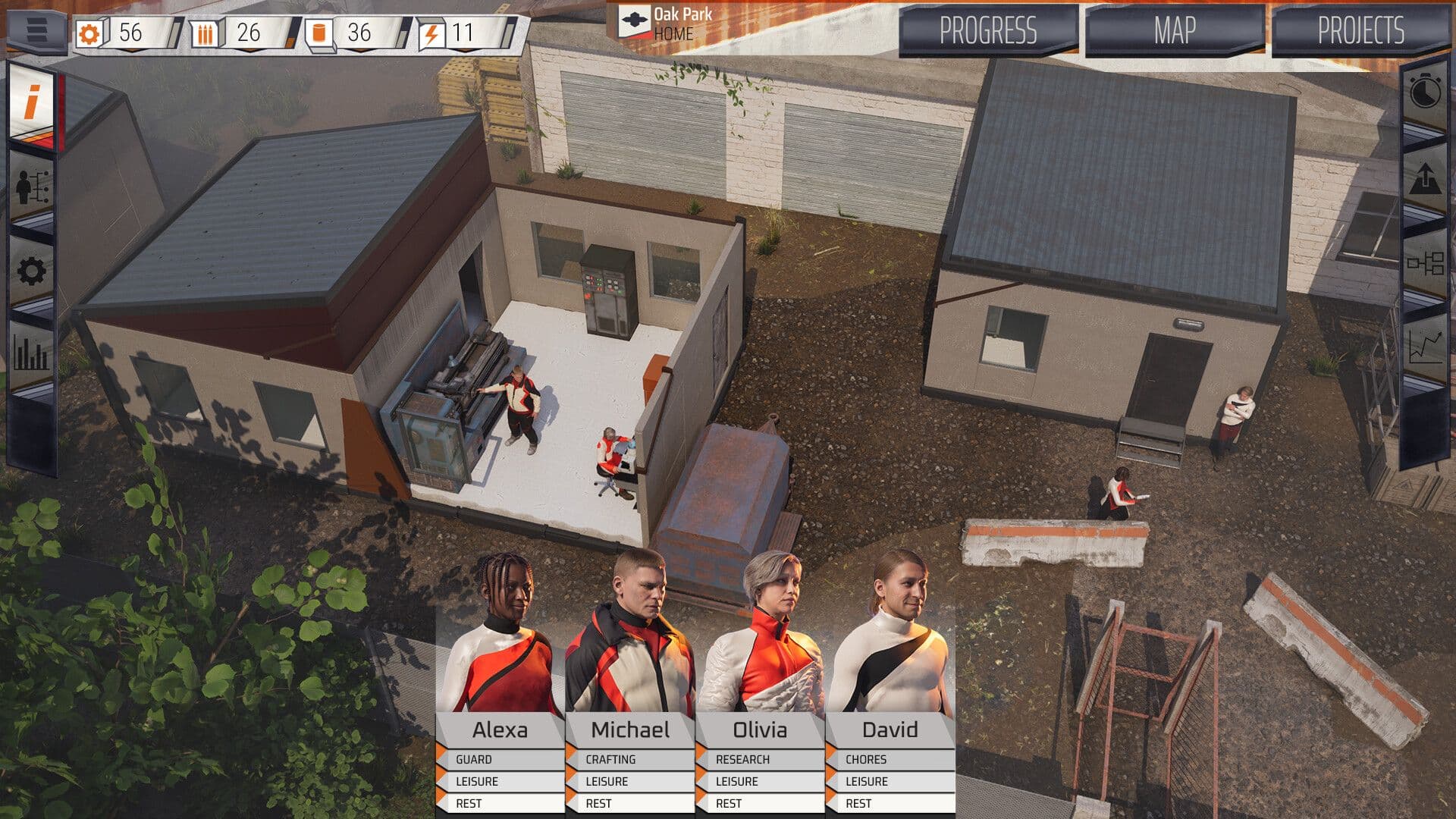
- Base building: create a safe haven with workstations, research labs and leisure facilities. Who you put where matters because personalities react differently to chores and proximity.
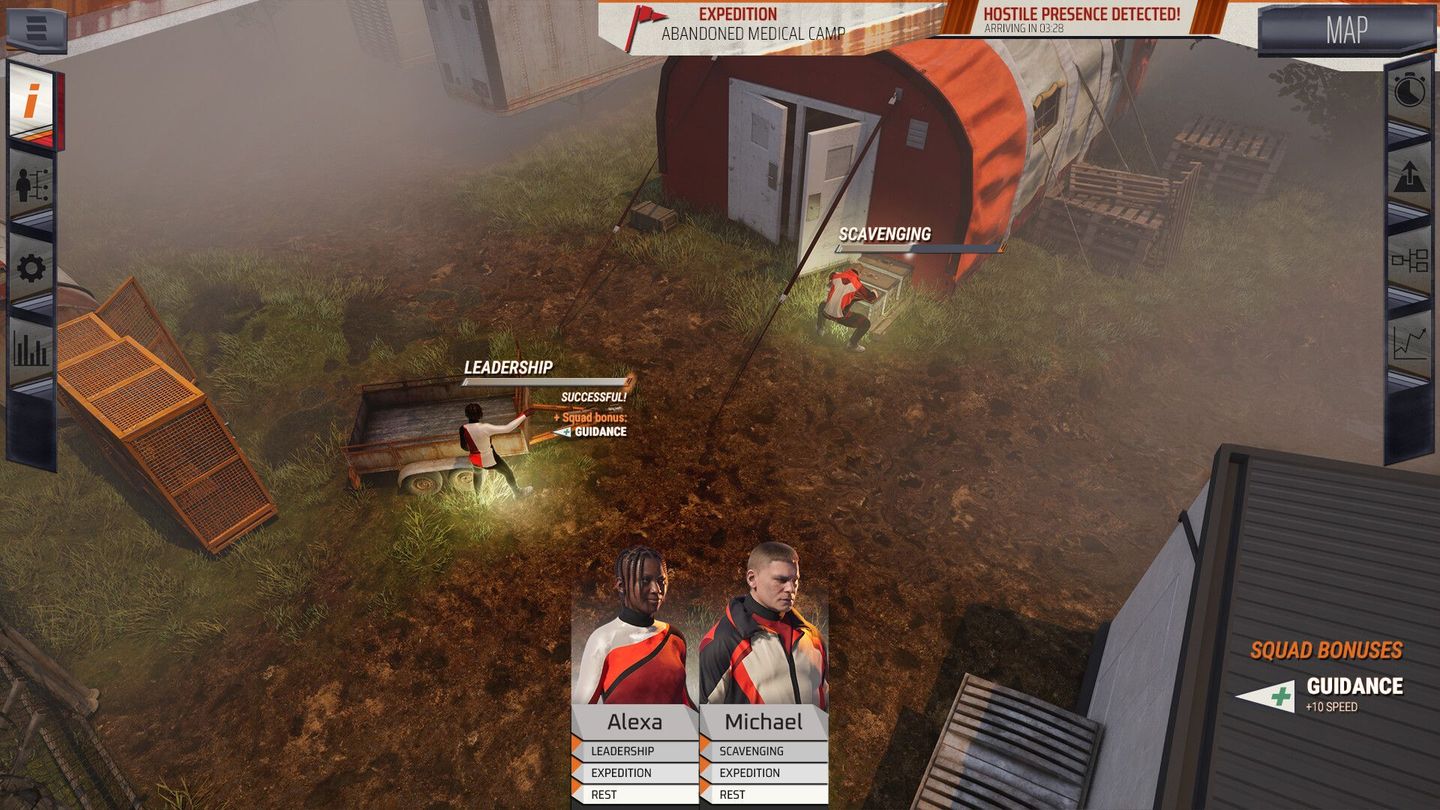
- Expeditions: send teams into the ruins to scavenge human and alien tech. Expeditions reveal secrets and unlock research paths, but bring emotional and physical risk.
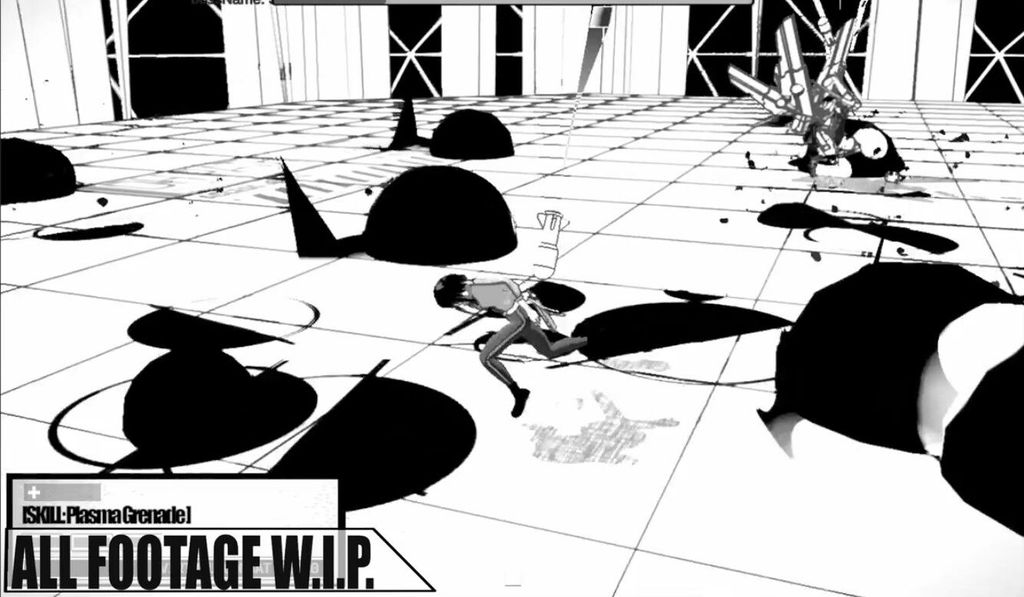
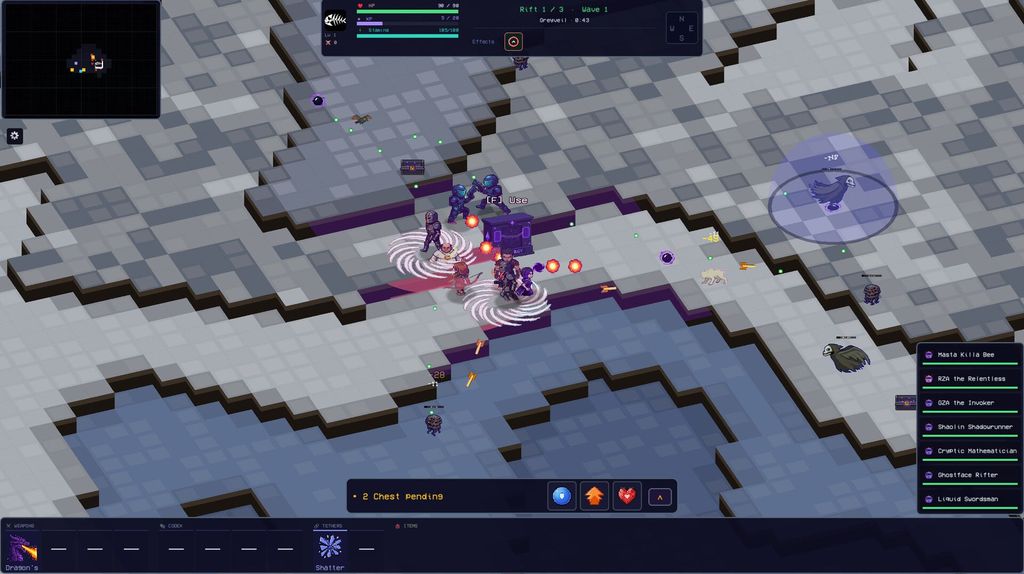
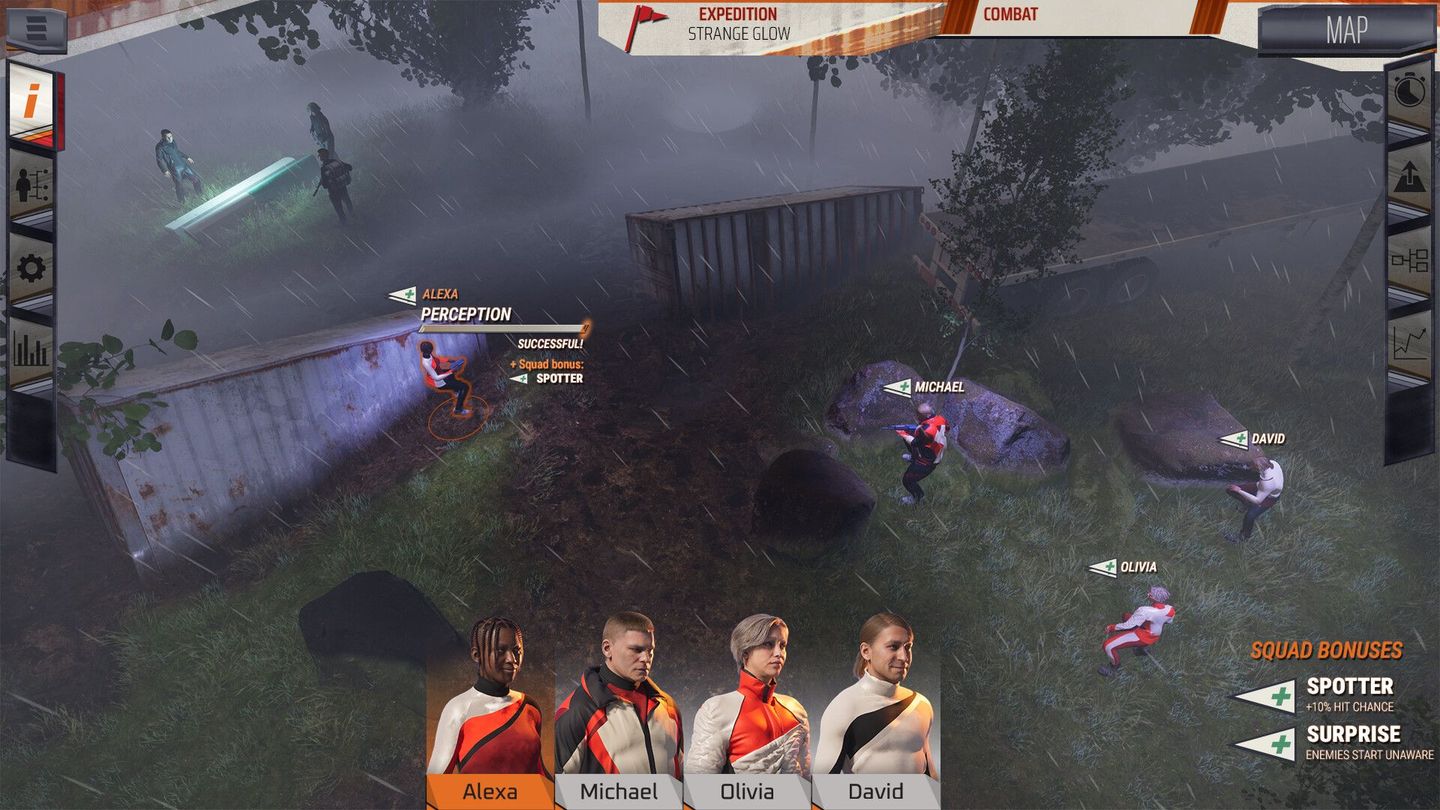
- Tactical missions: high-stakes encounters with the infected, alien forces and rival human groups. Success depends on gear, strategy and the social state of your squad.
Research branches into human and alien technology. Human tech returns practical upgrades and infrastructure. Alien research opens mysteries and tools to better defend against infected threats. Each project shifts what kind of survivors you need and how the base functions.
Choices, failure and persistent mystery
Grey Legend embraces failure as progression. Every playthrough that ends in a collapse still unlocks new mysteries, items and research, and can reveal new bases of operation. That roguelite loop encourages risk-taking: sacrificing a favorite character to rescue a key recruit might forge a powerful bond - or it might break morale and doom the group.
Beyond combat choices, the game pushes you to decide how you want your society to shape up. Do you cultivate tight cliques for efficiency, at the cost of broader cohesion? Do you prioritize specialists and accept fragility when they fall? Trade, diplomacy and feuds with other settlements add human politics to the list of threats and opportunities.
Grey Legend: Survivors promises a mix of tactical grit and systems-driven storytelling. If you enjoy tactical encounters that are made meaningful by messy, believable people, this one is worth watching.