
Cinderia
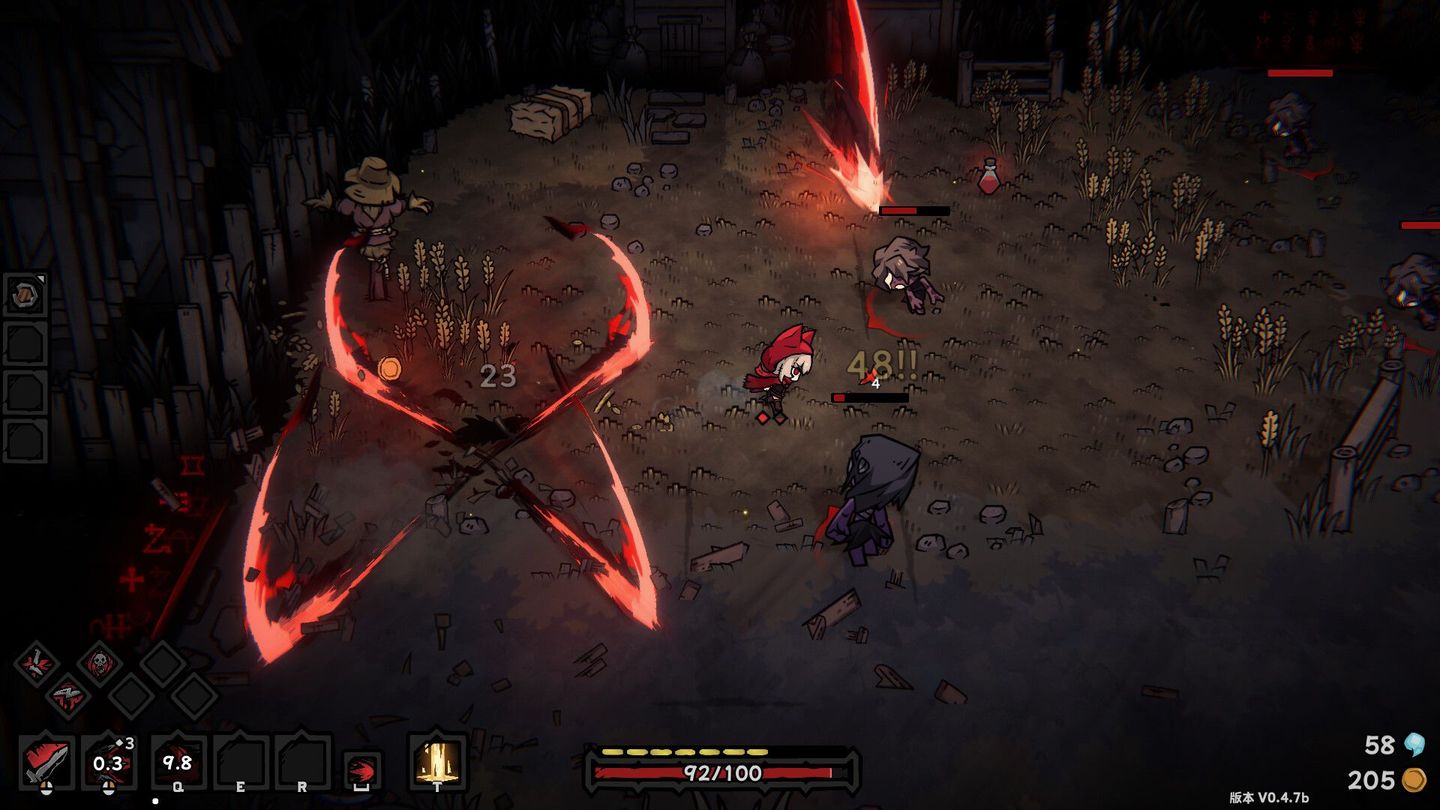
Cinderia pitches you into a world gone up in smoke. On the night the witch set the world ablaze, kingdoms fell and ash became the only thing left to whisper among ruins. From that charred bedrock springs a rogue-lite built around experimentation and momentum. You do not rely on a single build. You invent it.
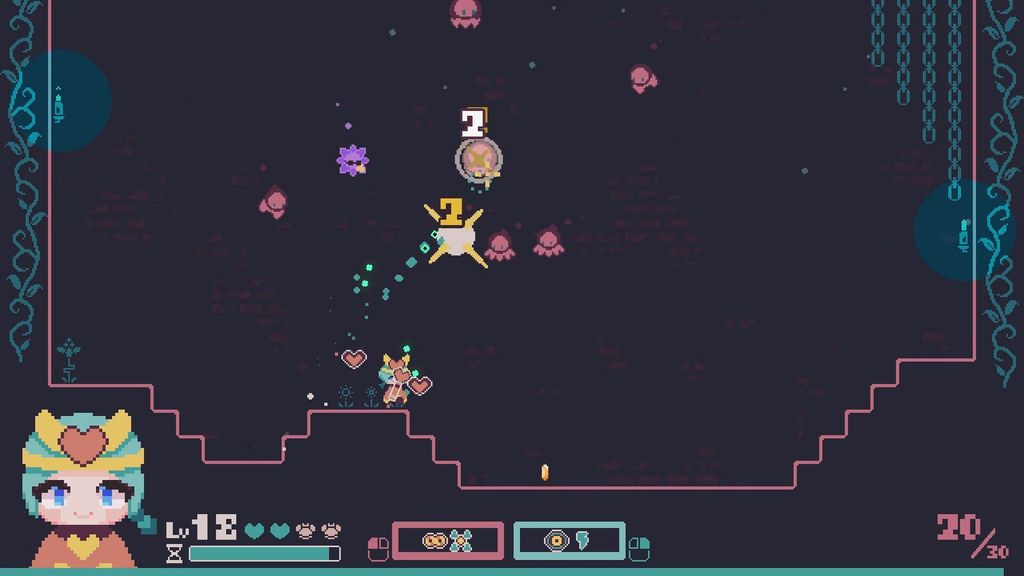
Combat is the core thrill. Short blades, cannon barrages and chilling frost freezes stand ready, but the real fun comes from combining skills, passives and equipment until your own rhythm emerges. Every run asks you to improvise, adapt and occasionally rage-quit with dignity.
Make the embers your toolbox
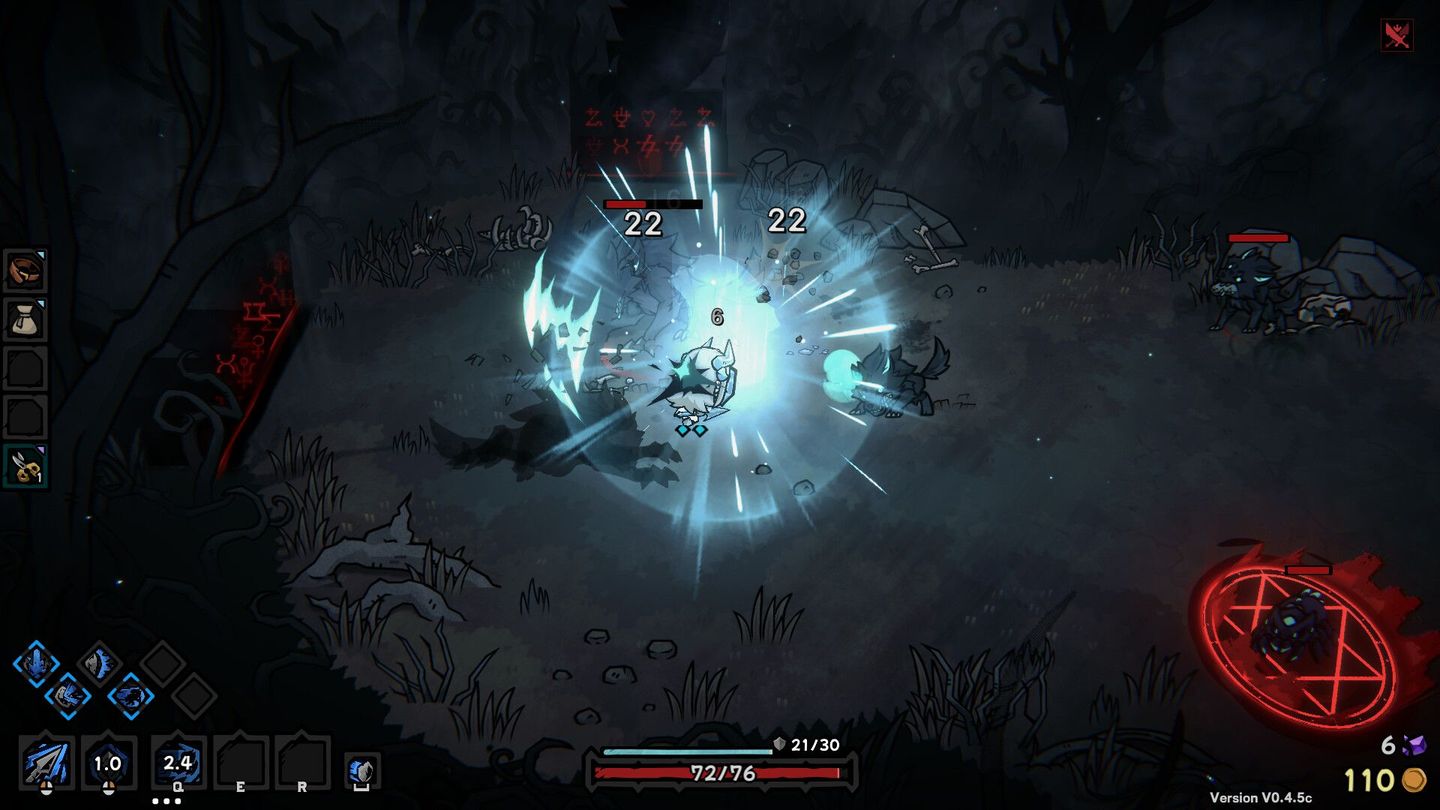
At the heart of Cinderia is fusion. Embers and spellcards are mutable, reshaping how an ability behaves and how it fits into your flow. The game promises a staggering breadth of options: four characters, each with a unique pool of more than 180 skills. That means each hero plays like an entire toolbox rather than a single archetype.
You can lean into nimble blade play, become a walking artillery platform with cannons, or freeze the battlefield and let ice do the dirty work. Passives and equipment further twist those choices, so a single skill can feel radically different depending on the cards you draw and the gear you find.
Every run writes itself differently
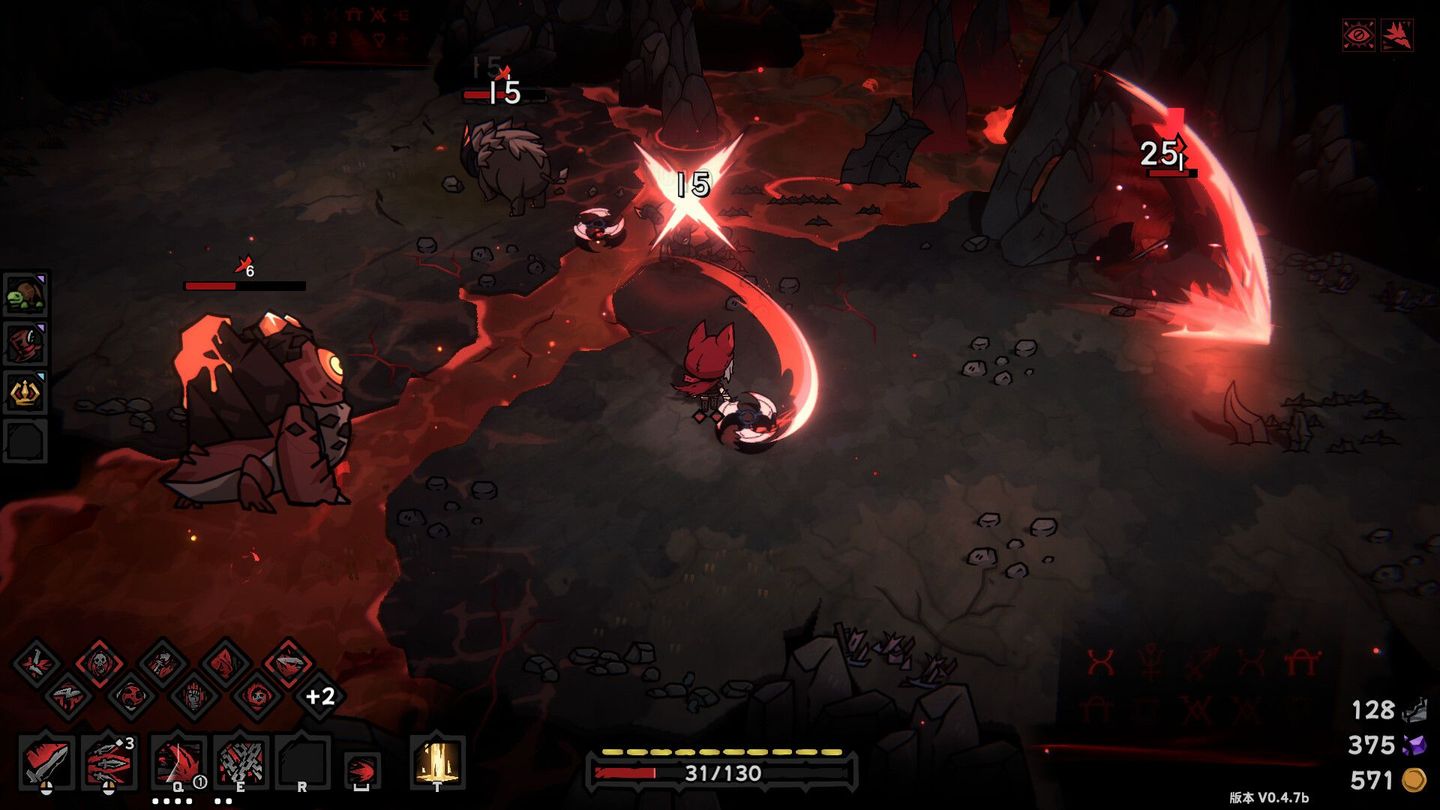
Cinderia leans hard into procedural variety. More than 130 pieces of equipment and dozens of random events and room types ensure that routes rarely repeat. One run might hand you a cascade of offensive toys; another forces you to make do with defensive tricks and clever positioning.
That unpredictability is part of the charm. The game rewards players who embrace improvisation, discovering emergent combos and synergies that only appear when two or three surprises collide. It is equal parts discovery and mastery.
Combat that clicks
Fast-paced is the right word. Encounters are designed to feel immediate and exhilarating. You strike, you dodge, you chain a spellcard fusion into a cannon volley, and the battlefield responds. The loop is simple: fight, recover, and rise again. Death is a mechanic as much as a lesson.
Controls and feedback emphasize flow. Because every character has access to a vast skill pool, players can experiment with tempo and spacing, building styles that feel uniquely theirs. Losing a run does not erase progress; it teaches you a new angle to exploit next time.
A land of ash and flicker
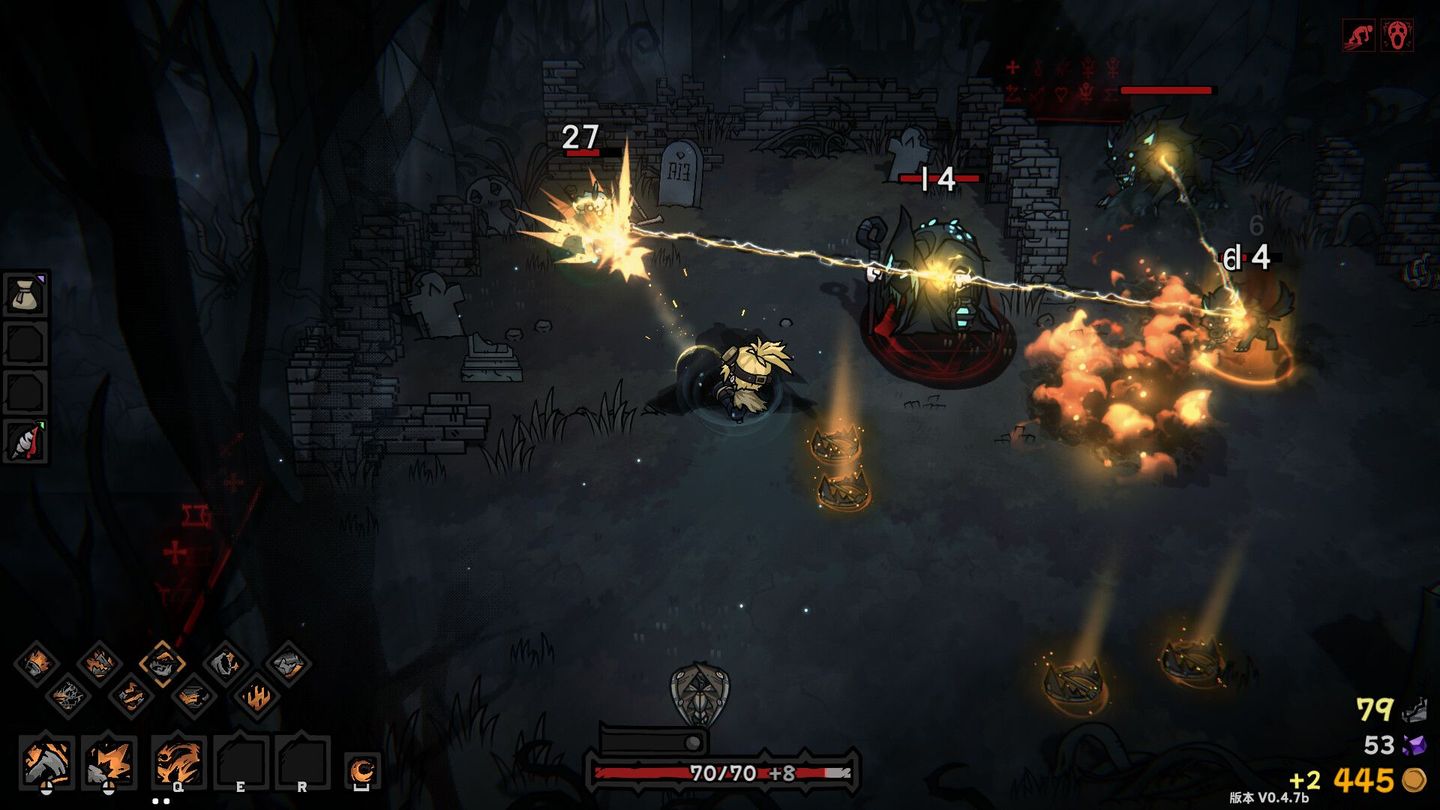
The setting sells the mood: dark fairytales, smoldering ruin and a corruption that eats at everything it touches. Yet amid that decay a faint glimmer persists. A handful of souls can swallow remnants of black magic and refuse to be consumed. You are one of them, walking toward a truth buried beneath the end of the world.
The developers promise continuous updates that expand both the narrative corners and mechanical ways to play. That suggests Cinderia is intended as a living experiment, one that will keep rewarding players who like to tinker and refine. Falling, bleeding, failing - all of it is simply part of the road you walk.