
inKONBINI: One Store. Many Stories
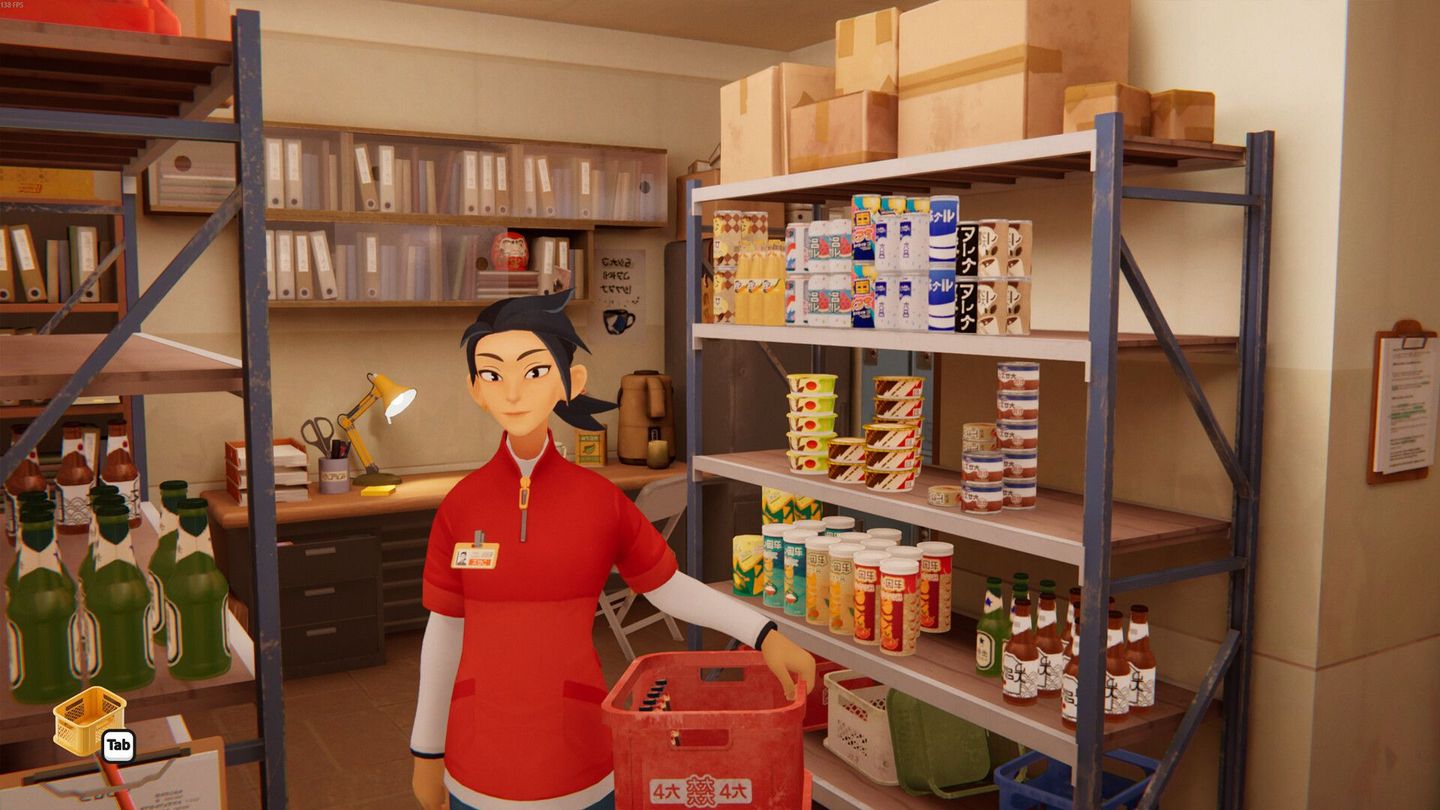
inKONBINI: One Store. Many Stories is a gentle, narrative-driven slice-of-life game built around the small rituals of running a convenience store. You play Makoto Hayakawa, a college student spending her summer behind the counter of a colorful, early 1990s Japan-inspired town. The focus is not on crunching numbers but on settling into a calming rhythm and letting human connection emerge from the everyday.
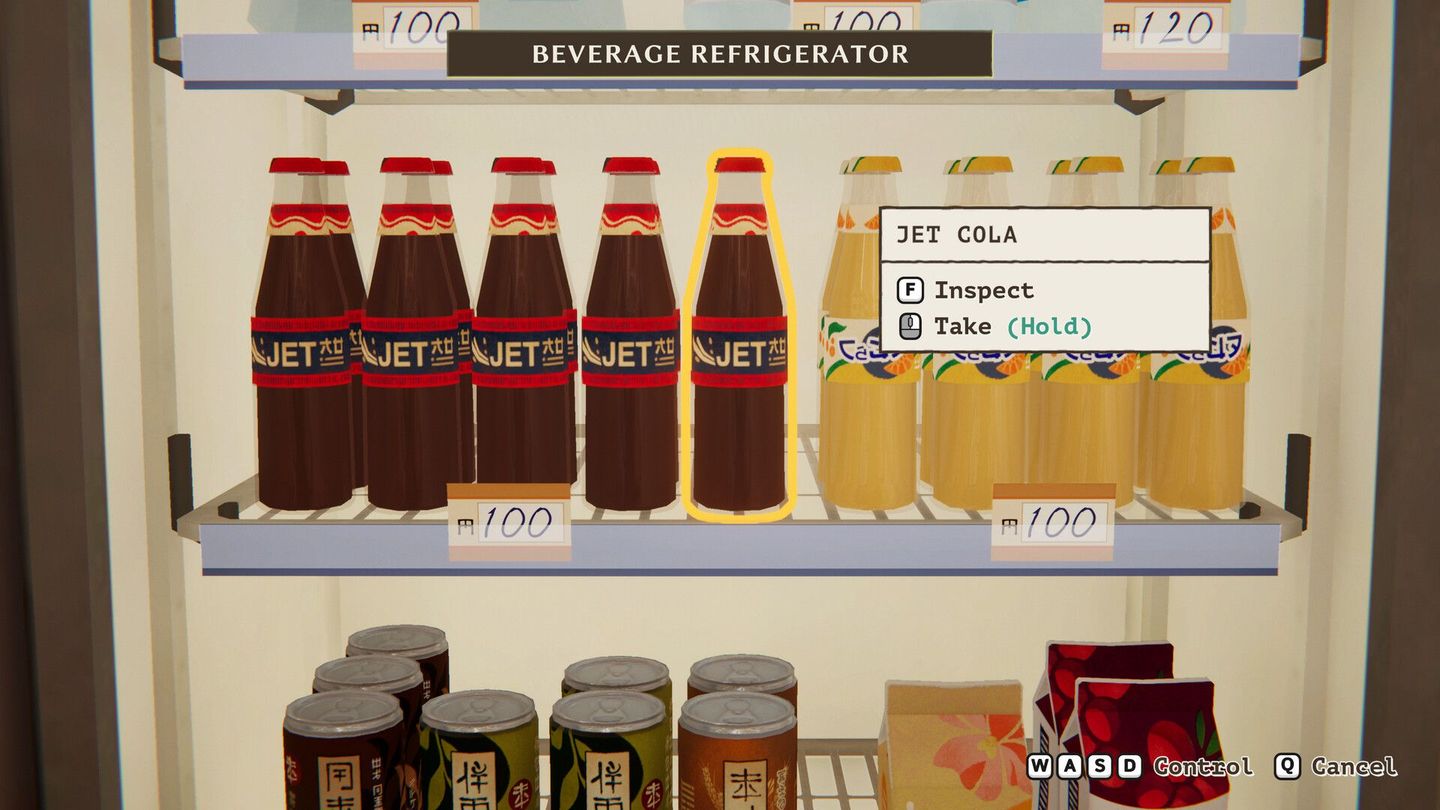
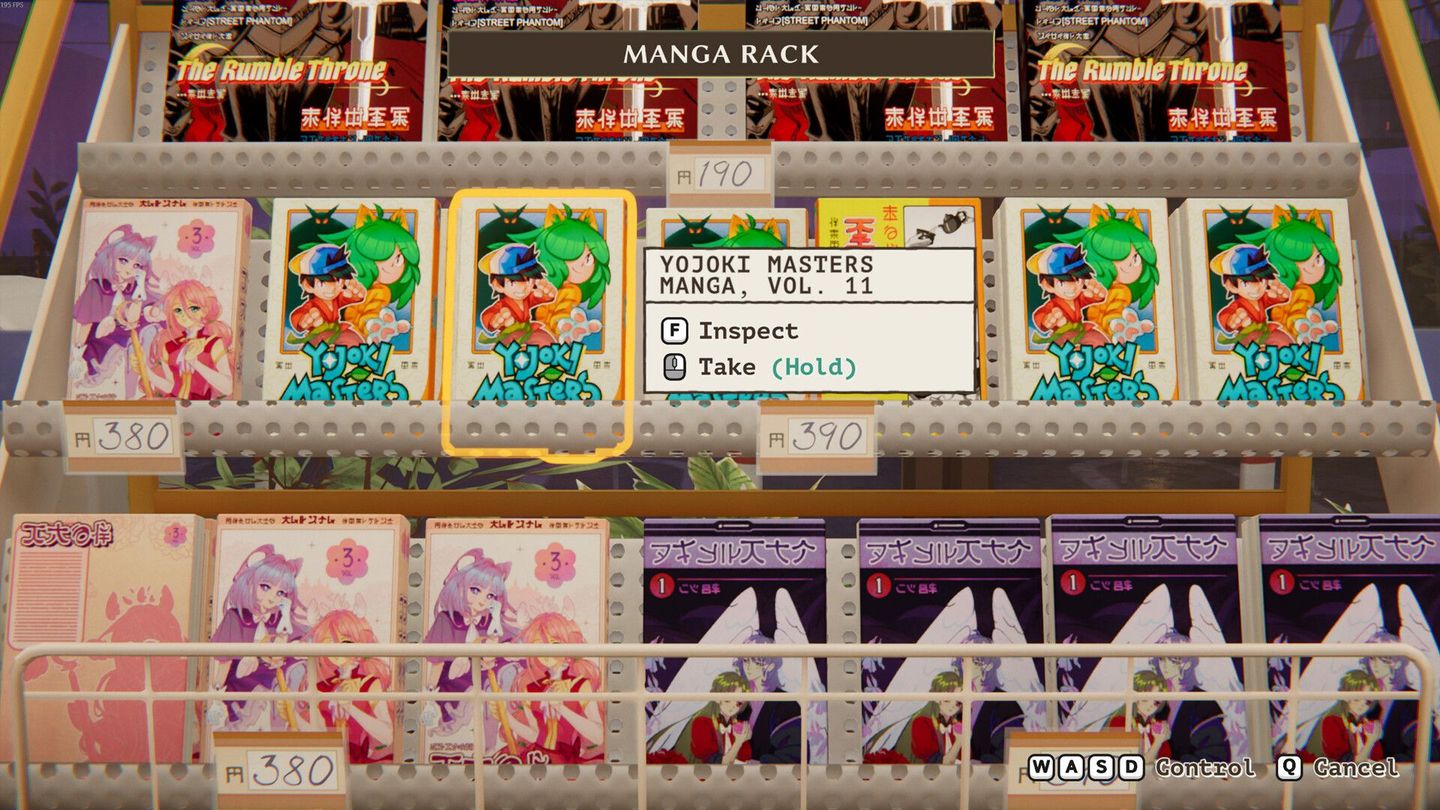
The core loop is intentionally simple. Stock shelves, tidy displays, and prepare the store for customers. Those tactile tasks are less about optimization and more about making space for observation. As you move through the day, you notice details, listen, and slowly learn the routines and secrets of the people who visit.
A Slow, Tactile Store Rhythm
The game invites players to embrace routine. Actions like arranging product displays, restocking popular items, and ordering goods are designed to feel satisfying and deliberate. These chores create a comforting flow, leaving room between tasks for wandering the shop, peering out at the street, or simply listening to the soundscape.
inKONBINI treats storekeeping as a kind of presence training. There are no complex management spreadsheets to master. Instead the mechanics support relaxation and attention. The payoff comes from the small moments the rhythm makes possible: a regular dropping by at the same time each afternoon, a quiet exchange at the register, or a surprising bit of news overheard while folding packages.
Neighbors with Quiet, Bursting Stories
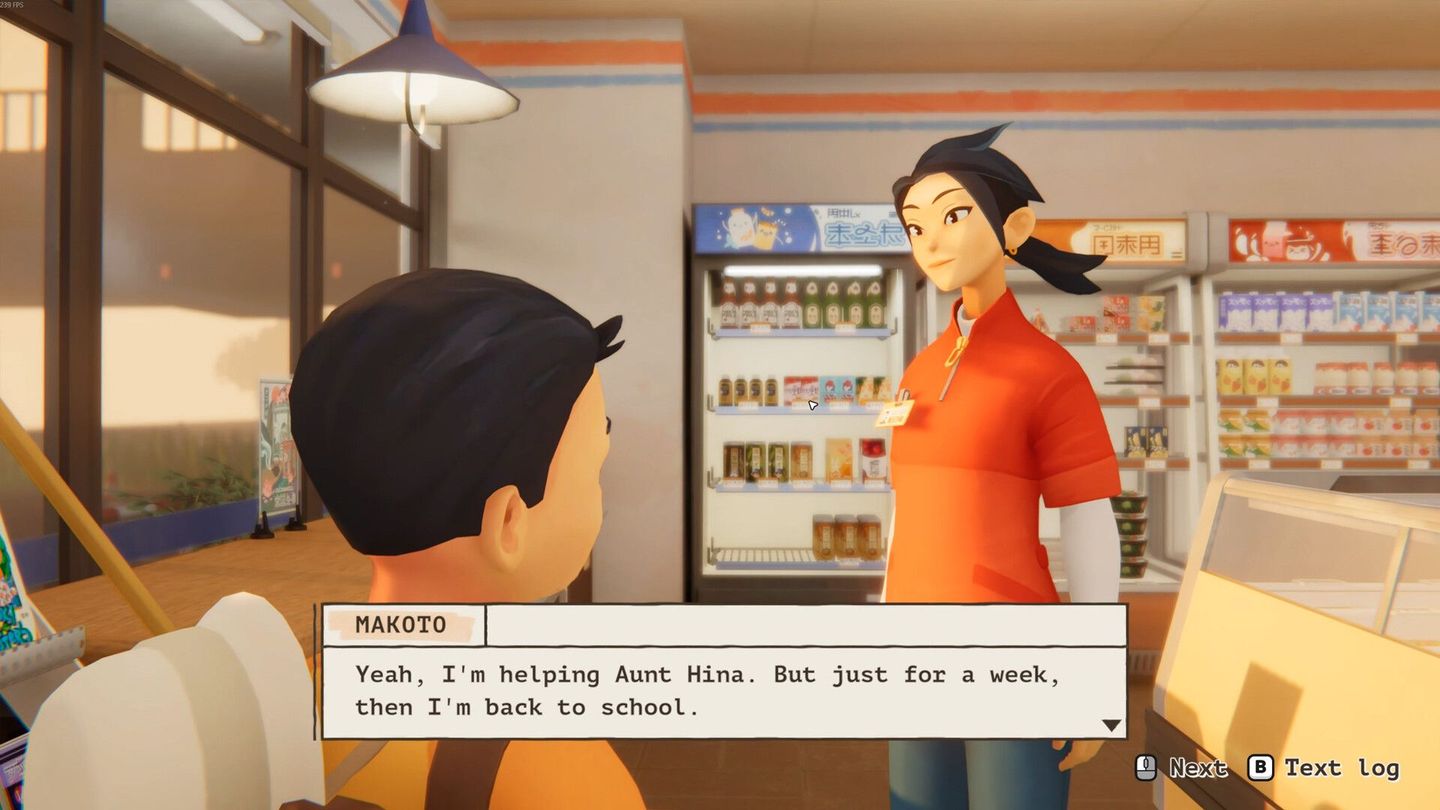
People are the point here. Branching conversations and meaningful choices let you shape relationships with the store's regulars. Each interaction nudges the narrative in subtle ways, revealing private routines, small hopes, and gentle tensions that tie this neighborhood together.
The tone aims for intimacy rather than spectacle. Rather than headline drama, stories unfold in the margins - a longing confessed over a late-night snack, an elderly customer's memory triggered by a particular snack, or a shy local who begins to open up after a few visits. Your choices do not need to be dramatic to matter; they simply change how much you learn, and how those relationships evolve.
Nostalgia, Sound, and Little Surprises
Visually, the game leans into soft palettes and warm lighting that evoke comfort and familiarity. The setting is inspired by early 1990s Japan, and the attention to small details helps sell that nostalgia without turning it into a gimmick.
Sound plays a major role. The ASMR-inspired soundscape layers subtle everyday noises that enhance immersion - the rustle of plastic bags, the click of a register, distant traffic, and the mechanical clink of a gachapon machine. Speaking of which, the capsule toy surprises add a playful streak. Pulling a capsule from the store's gacha yields tiny curiosities that reward exploration and invite you to collect every little treasure.